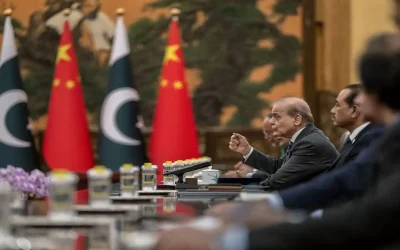



ISLAMABAD — Prime Minister Shehbaz Sharif has directed authorities to expand Pakistan’s strategic petroleum reserves and approved key amendments to the country’s brownfield oil refining policy in a bid to strengthen national energy security amid rising uncertainties in the Middle East.
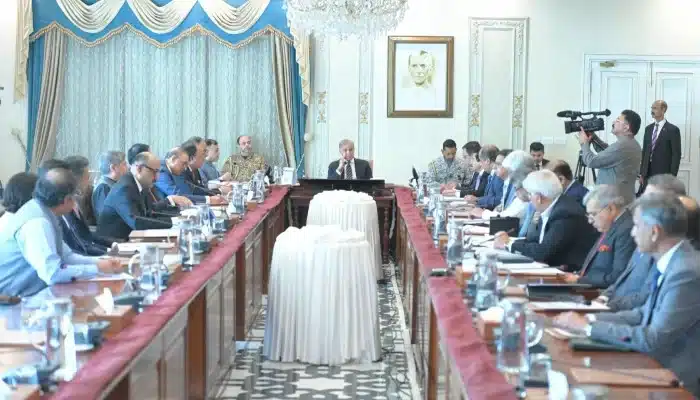
Chairing a meeting of the Cabinet Committee on Energy (CCoE) on Tuesday, the Prime Minister stressed the importance of upgrading Pakistan’s refining infrastructure to shield the economy from global oil supply shocks, reduce reliance on imported finished fuels, and move towards cleaner energy standards.
Overhauling the Brownfield Refining Framework
The CCoE approved important amendments to the Pakistan Oil Refining Policy for Upgradation of Existing Brownfield Refineries (2023). The original policy, finalised in August 2023 and approved in April 2024, had faced significant setbacks after budgetary tax changes created cash-flow problems and delayed upgrading projects at domestic refineries.
The new amendments aim to unlock over $6 billion in stalled investments across Pakistan’s five major refineries.
PM Shehbaz Approves Amendments to Pakistan Oil Refining Policy 2023, Orders Swift Implementation to Modernise Refineries and Strengthen Energy Security pic.twitter.com/suidWm8kPS
— Global Insights (@GlobalInsightEn) July 28, 2026
Key Policy Objectives
- Cleaner Emissions: A mandatory shift to Euro-V compliant petrol and diesel to meet international environmental standards and reduce urban air pollution.
- Product Shift: Significant reduction in the production of heavy furnace oil and low-grade petroleum products in favour of higher-value fuels.
- Gulf Investment Outreach: The Prime Minister directed the government to organise immediate roadshows in Qatar, Saudi Arabia, and other Gulf countries to attract investment under the revised policy.
- Regulatory Overhaul: Instructions were given to reform the Oil and Gas Regulatory Authority (OGRA) to promote greater transparency, healthy competition, and investor confidence.
Vulnerabilities Exposed by Regional Supply Disruptions
Pakistan’s limited strategic petroleum reserves have long left the country vulnerable to disruptions in maritime routes, particularly through the Strait of Hormuz during regional conflicts.
“Upgradation of oil refineries is an important need of the time and a key pillar of Pakistan’s comprehensive energy security system. Effective and timely implementation of the new policy must be ensured, and no negligence or delay will be tolerated.”
— Prime Minister Shehbaz Sharif
To restore investor confidence, the government is addressing industry concerns, including providing stability during the 3-to-5-year implementation period and resolving sales tax issues linked to IMF commitments. Recent discussions with global technology firms, such as US-based Honeywell Technologies, reflect Islamabad’s commitment to modernising the refining sector.
The meeting was attended by key cabinet members, including Finance Minister Muhammad Aurangzeb, Petroleum Minister Ali Pervaiz Malik, Economic Affairs Minister Ahad Khan Cheema, and Planning Minister Ahsan Iqbal.