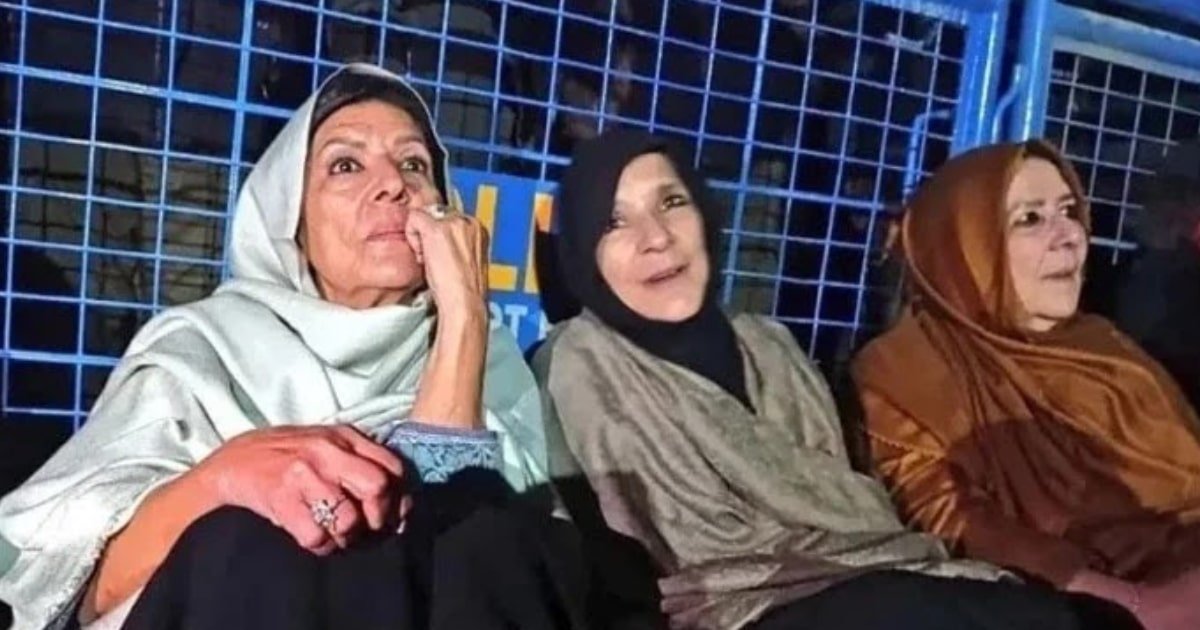



RAWALPINDI — The Rawalpindi police have registered a high-profile case against more than 400 activists of the Pakistan Tehreek-i-Insaf (PTI), including the three sisters of the incarcerated party founder, following violent clashes outside Adiala Jail. The First Information Report (FIR) includes grave charges ranging from attempted murder and criminal conspiracy to sections of the Anti-Terrorism Act (ATA) 1997.
Rawalpindi police on Wednesday registered a case under anti-terrorism provisions against the sisters of Imran Khan, several members of the national and provincial assemblies, and around 1,400 unidentified individuals following unrest on Adiala Road late Tuesday night.
According… pic.twitter.com/GKdDARlmd5— The Express Tribune (@etribune) April 8, 2026
Key Highlights of the Case
-
The Accused: Aleema Khan, Uzma Khan, and Noreen Khan are named as the primary leaders of the protest, alongside 300 to 400 unidentified workers.
-
The Charges: 14 sections of the law have been invoked, including Section 120-B (Criminal Conspiracy) and Section 7 of the ATA.
-
Arrests & Remand: 41 activists were apprehended on the spot and have been remanded to police custody for eight days by a local court.
-
Police Injuries: Nine officials, including an Inspector, sustained injuries during stone-pelting and were shifted to Benazir Bhutto Hospital.
The Adiala Road Clashes
According to the FIR registered by Sub-Inspector Muhammad Imran Khan, the mob gathered on Tuesday in violation of Section 144, which prohibits public assemblies. The police claim the protesters blocked the road, causing significant distress to local residents and endangering public safety.
The situation escalated when police moved in to clear the area:
-
Incitement: Leaders were accused of chanting slogans against state institutions and inciting workers to resist the law.
-
Weaponry: Police reported the recovery of 30 liters of petrol, 15 glass bottles, and wooden sticks, alleging that the items were intended for the manufacturing of petrol bombs.
-
Seizures: 13 vehicles belonging to PTI leaders and supporters were impounded after their owners allegedly abandoned them to flee the scene.
Legal and Political Fallout
The inclusion of Section 120-B (Criminal Conspiracy) is particularly significant, as it equates the agreement to commit a crime with the crime itself. This allows investigators to target the organizers behind the protest call even if they were not present during the physical violence.
The Rawalpindi administration has justified the crackdown as a necessary measure to maintain the “writ of the state,” especially given the high-security environment in the twin cities.
A Capital Under Lockdown
This crackdown comes at an extremely sensitive time for the Rawalpindi-Islamabad region. With the Red Zone sealed and the city currently hosting VVIP delegations for the US-Iran Peace Talks, security forces are operating under a “zero-tolerance” policy for unauthorized protests.
While PTI leadership maintains that the protest was a peaceful expression of support for their imprisoned leader, the police insist that the discovery of “incendiary materials” points toward a pre-planned attempt to create a law-and-order crisis during a critical diplomatic window for Pakistan.
You May Like To Read: Missing Pakistani Migrants Traveled on ‘Umrah Visas’ Before Mediterranean Tragedy
Check out our latest video: