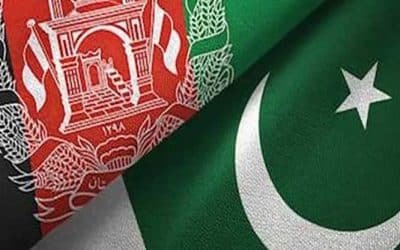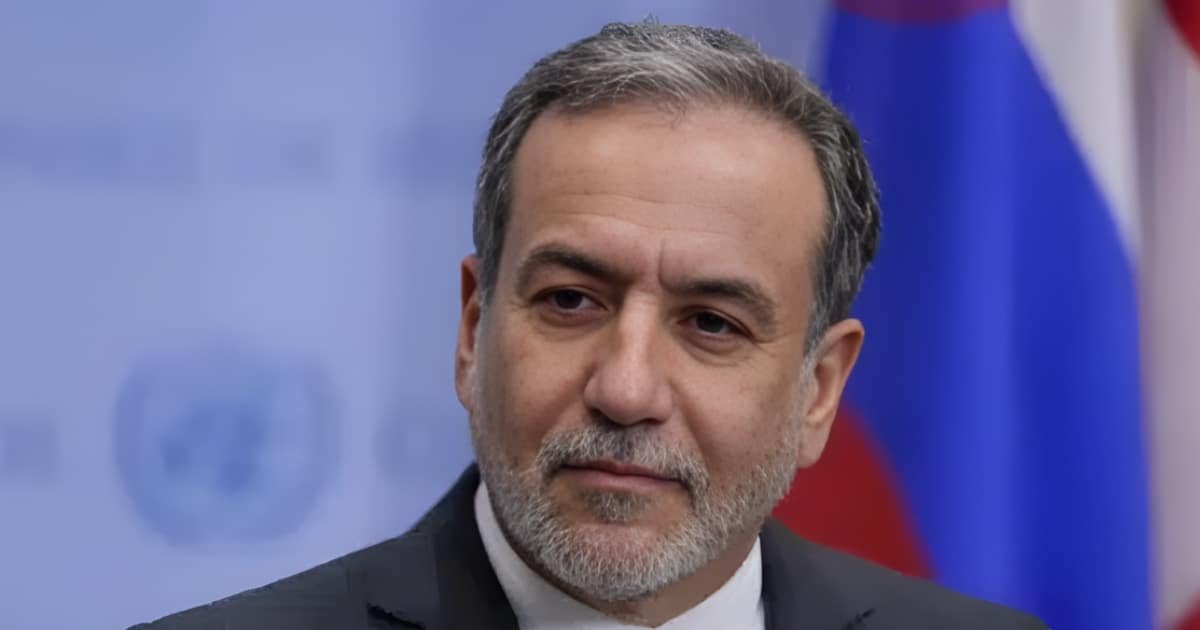



TEHRAN / ISLAMABAD – As the border conflict between Pakistan and Afghanistan escalates into a state of conventional warfare, Iranian Foreign Minister Abbas Araghchi has issued an urgent appeal for restraint, offering Tehran’s “good offices” to facilitate a dialogue between the two neighboring Islamic nations.
The Iranian intervention comes on Friday, February 27, 2026, just hours after the Pakistan Air Force (PAF) conducted deep-penetration strikes in Kabul, Kandahar, and Paktia under Operation Ghazab-lil-Haqq.
Iranian Foreign Minister Abbas Araghchi has criticised Indian Prime Minister Narendra Modi’s visit to Israel, saying it is unfortunate and Iran sees it as inappropriate to deal with a genocidal state. pic.twitter.com/Gou9Dv7Fjp
— PTV News (@PTVNewsOfficial) February 26, 2026
Iran’s Plea: “Prioritize Islamic Solidarity”
In a statement shared on social media, Foreign Minister Araghchi invoked the spirit of the upcoming holy month to urge a de-escalation:
- The Call for Dialogue: Araghchi emphasized that both nations should resolve their differences through “the principles of good neighborliness” rather than kinetic force.
- Ramadan Appeal: He noted that Ramadan is the month of patience and Islamic solidarity, suggesting it is the appropriate time to replace artillery fire with diplomatic engagement.
- Mediation Offer: “The Islamic Republic of Iran stands ready to provide any assistance necessary to facilitate dialogue and to enhance understanding and cooperation,” Araghchi posted on X.
Foreign minister urges dialogue, good neighbourliness, calls Ramazan a time for Islamic solidarity
Read more: https://t.co/eql2tMruDG#SamaaTV #PakistanAfghanistanBorder #Afghanistan #AfghanistanPakistanWar #AfghanTaliban #Iran pic.twitter.com/YlYjtnsbac
— SAMAA TV (@SAMAATV) February 27, 2026
Regional Anxiety: Why Tehran is Concerned
Iran’s proactive stance is driven by significant regional security fears:
- Spillover Effect: Tehran has warned that continued instability on the Durand Line could lead to a broader regional crisis, impacting Iran’s own border security and economy.
- Refugee Crisis: With Pakistan reportedly sending back repatriated Afghan families to holding centers due to the shelling, Iran fears a fresh influx of displaced persons toward its own borders.
- Economic Interests: Instability threatens the Trans-Afghan railway initiatives and regional trade corridors that both Iran and Pakistan have been working to institutionalize.
Current Battlefield Status (Update: 12:00 PM PKT)
Despite the diplomatic overtures, the situation on the ground remains volatile:
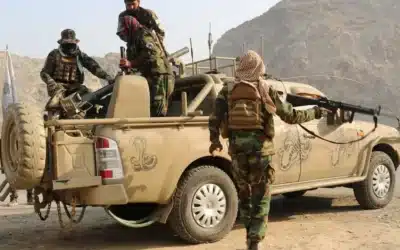
- PAF Dominance: Following the destruction of a major ammunition depot in Nangarhar and two Brigade Headquarters in Kabul, Pakistani jets continue to maintain combat air patrols.
- Casualty Update: The death toll for Afghan Taliban operatives has risen to 133, with over 200 wounded. Pakistan has lost two soldiers in the initial unprovoked firing.
- Territorial Shift: Pakistan’s flag continues to fly over 7 captured Afghan posts in the Paktia and Chitral sectors, where ground troops have successfully forced a retreat.
Historical Context: Failed Diplomacy
Iran’s offer follows several failed mediation attempts by regional actors:
- In December 2025, Tehran hosted a regional meeting where special envoys from China, Russia, and Uzbekistan urged both sides to return to the table—an invitation the Taliban declined.
- Saudi Arabia recently played a role in the release of three Pakistani soldiers captured by the Taliban, but the goodwill was short-lived, as hostilities resumed within weeks.
They have openly declared Afghanistan as their partner state, deep dug conspiracy popping out,
Afghanistan is not an Islamic brother State, it’s a terrorist state running on Jews and the pagans agenda against Islam#OperationGhazabLilHaqq pic.twitter.com/EeStMQ0qjs
— Abdullah Hussain (@agostians) February 26, 2026
You May Like To Read: Pakistani Flag Hoisted on 5 Captured Afghan Posts, Strategic Gains in Paktia
Check out our latest video: