


As of Wednesday, February 25, 2026, the world’s attention is fixed on Geneva, where a decisive third round of nuclear negotiations between the United States and Iran is scheduled to begin tomorrow, Thursday, February 26.
The talks represent a high-stakes effort to avert a major military conflict following the June 2025 air campaign, in which the U.S. and Israel targeted Iranian nuclear sites.
The Players and the Proposal
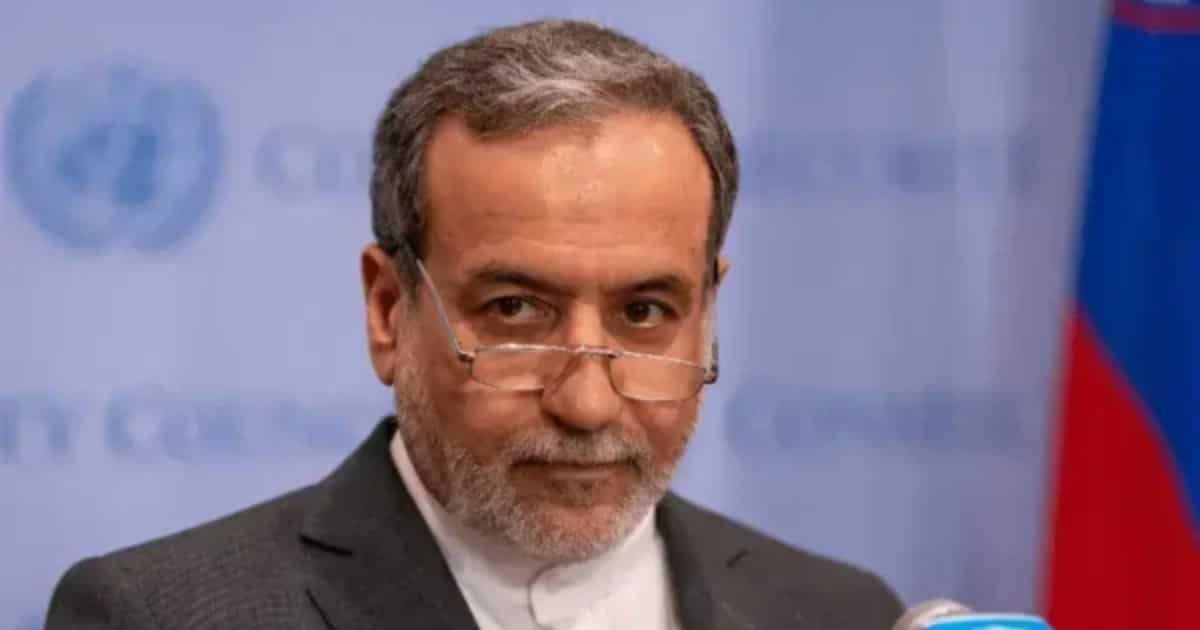
- The Negotiators: U.S. Special Envoys Steve Witkoff and Jared Kushner will lead the American delegation, while Iranian Foreign Minister Abbas Araghchi—who says a deal is “within reach”—will represent Tehran.
- The Iranian “Consortium” Offer: Tehran has signaled it may be willing to:
- Send 50% of its highly enriched uranium (HEU) abroad.
- Dilute the remaining HEU stockpile.
- Establish a regional enrichment consortium to ensure transparency.
- The Demand: In exchange, Iran is seeking formal recognition of its “right” to peaceful enrichment and the lifting of crushing economic sanctions.
1/4 Pillared on the understandings forged in the previous round, Iran will resume talks with the U.S. in Geneva with a determination to achieve a fair and equitable deal—in the shortest possible time.
— Seyed Abbas Araghchi (@araghchi) February 24, 2026
Trump’s “Red Lines” and the Military Buildup
The negotiations are occurring under the shadow of a massive U.S. military presence in the Middle East—the largest since the 2003 Iraq invasion.
- “Zero Enrichment”: While some officials suggest the U.S. might consider “token enrichment” for medical or civilian use, President Trump has publicly reiterated a demand for zero enrichment capability.
- The 10-Day Clock: Trump recently stated that the outcome of these talks will determine whether he orders a “limited strike” to pressure Tehran or a larger campaign aimed at “regime change.”
- The Advice: According to reports, the decision to strike will hinge largely on the assessments of Witkoff and Kushner regarding whether Iran is “stalling.”
Internal Pressure: The “Tehran Spring” Protests
The talks come as the Iranian government faces a renewed wave of anti-regime protests.
- Student Rallies: Since February 21, major rallies have erupted at 17 universities, particularly in Tehran City, following a deadly crackdown in January.
- Leadership Shifts: U.S. intelligence suggests that President Masoud Pezeshkian and Supreme Leader Khamenei have been partially sidelined in the negotiations, with Ali Larijani (Secretary of the Supreme National Security Council) reportedly taking a lead role in steering the country through the crisis.
| U.S. Position | Iranian Position |
| Demand for zero enrichment capacity. | Insists on “sovereign right” to peaceful enrichment. |
| Willingness to use lethal force if talks fail. | Vows to retaliate “as hard as possible” if attacked. |
| Considering an interim deal as a first stage. | Seeks a “fast deal” to avoid imminent strikes. |
You May Like To Read: