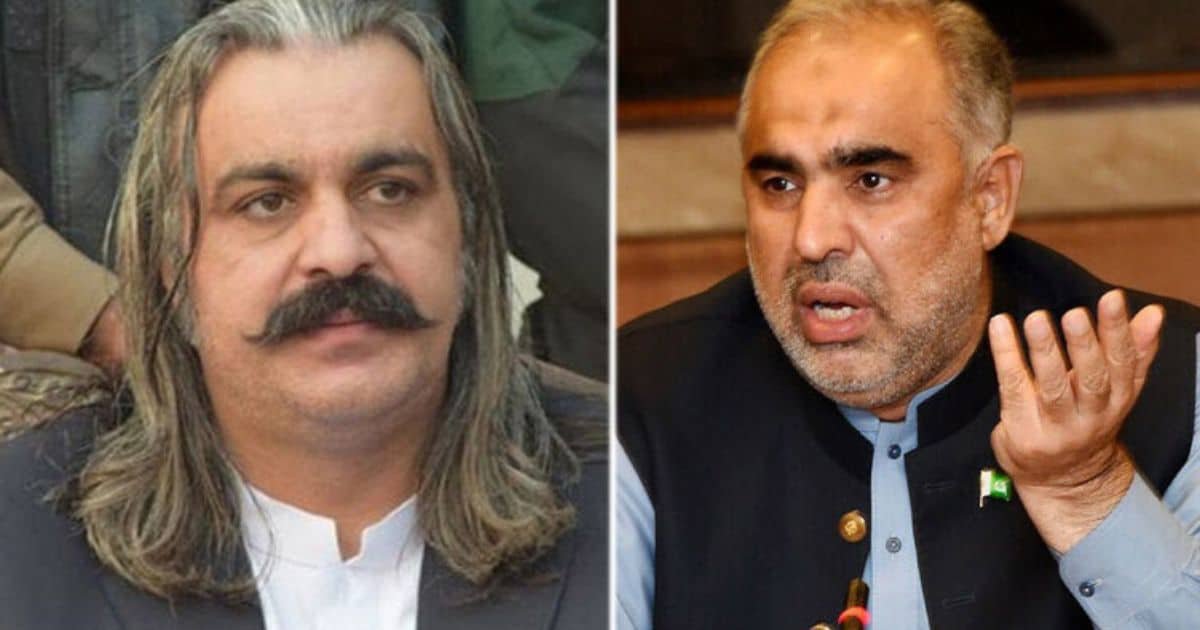



Islamabad – Decades after it was shelved, the controversial Kalabagh Dam project has once again become a point of national division, highlighting the enduring inability of Pakistan’s political class to forge a consensus on fundamental issues of national interest. The debate was reignited by Khyber Pakhtunkhwa Chief Minister Ali Amin Gandapur, who called the dam “a project vital for the state” that should not be held hostage by political differences.
Khyber Pakhtunkhwa Chief Minister Ali Amin Gandapur on Tuesday put weight behind construction of the disputed Kalabagh Dam as death toll due to floods rose to 411 in the province.
The Kalabagh Dam must be built for Pakistan and for its future generations, said the chief… pic.twitter.com/ufrCVPLJ24
— Business Recorder (@brecordernews) September 2, 2025
Gandapur’s statement, made in the aftermath of a devastating flood season, was a rare and bold endorsement of a project long considered a non-starter. He argued that the dam would be beneficial for all provinces and is crucial for the nation’s water security and economic survival. This position, however, immediately exposed the deep fault lines that continue to separate Pakistan’s political parties.
Within hours, leaders from his own party, the PTI, distanced themselves from his remarks, with senior figures clarifying that the statement was his “personal opinion” and not official party policy. This internal dissent underscores the sensitivity of the issue even among those who claim to prioritize national development.
On the other side of the aisle, the rejection was even more vociferous. The Pakistan Peoples Party (PPP) and the Awami National Party (ANP), representing Sindh and Khyber Pakhtunkhwa respectively, condemned the statement as a threat to provincial rights. Citing past resolutions from their provincial assemblies, they reiterated their long-standing stance that the project is politically motivated and would inflict irreparable damage on their regions.
The only significant support for the statement came from the Punjab government, which welcomed the initiative and called for provinces to unite on the matter. This stark division—with Punjab supporting a project that the other three provinces have consistently rejected—reveals a political landscape more concerned with regional power dynamics than with a unified vision for national prosperity.
While the need for large-scale water reservoirs is increasingly evident in the face of climate change and recurrent floods, the political posturing over projects like Kalabagh Dam continues to paralyze progress. The inability of politicians to rise above a decades-old dispute and find a viable, non-controversial alternative reflects a deeper crisis of governance and trust within the federation. The debate over Kalabagh Dam serves as a sobering reminder of the nation’s struggle to unite on issues of existential importance.
You May Like To Read: