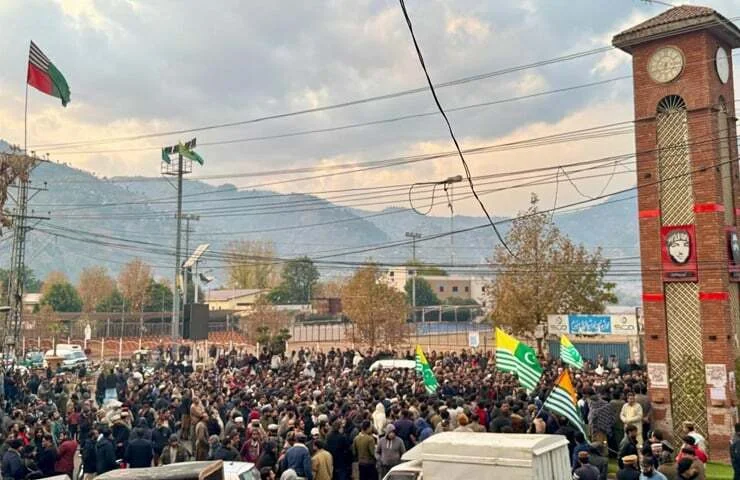


MUZAFFARABAD — Azad Jammu and Kashmir (AJK) Prime Minister Raja Faisal Mumtaz Rathore stated on Wednesday that his government will not use force if the Joint Awami Action Committee (JAAC) returns to the streets. Instead, the premier emphasized that the ongoing dispute regarding the 12 legislative assembly seats reserved for refugees must be resolved through political consensus and dialogue.
Key Highlights
- PM Rathore confirmed the government will not use force against JAAC protesters.
- The central dispute involves the proposed abolition of 12 legislative assembly seats reserved for refugees.
- The government has already fulfilled almost all other points in the JAAC’s charter of demands.
- JAAC has rejected delaying its protest call but agreed to continue talks until June 7.
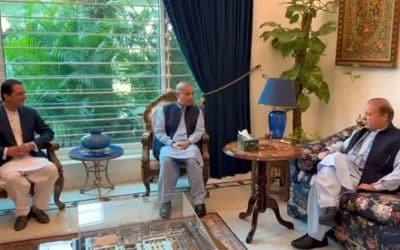
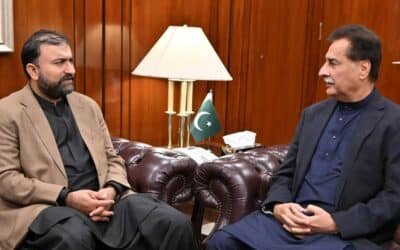
- The AJK premier has discussed the political situation with Prime Minister Shehbaz Sharif.
“These people are our own. They certainly have the right to raise their concerns and it is our responsibility to listen to them and understand their point of view, and we are doing that,” he said. https://t.co/ajjJ2qU7pe
— Dawn.com (@dawn_com) June 3, 2026
Constitutional Consensus Needed for Refugee Seats
In a television interview, Prime Minister Rathore explained that his administration has made sincere efforts to implement the agreement reached after last year’s mass protests. While nearly all demands have been met, the abolition of refugee seats remains a complex constitutional matter. Rathore noted that a single political party cannot decide on the issue independently, as it requires broad agreement from all regional stakeholders.
Though the JAAC declined the government’s request to postpone their protest call, they have agreed to keep negotiations open until June 7. Rathore reiterated that the state cannot afford another period of unrest, adding that the protesters are local citizens whose concerns must be listened to and understood.
Protecting the Status of Refugees
Addressing criticisms that the refugee seats are vulnerable to manipulation by provincial governments, the AJK premier reminded critics of the immense sacrifices made by refugees. He stressed that their role in state affairs cannot be ignored under any circumstances. Rathore concluded that decisions impacting the future of Azad Kashmir should be determined through formal representative institutions rather than street agitation, placing state interests above political affiliations.