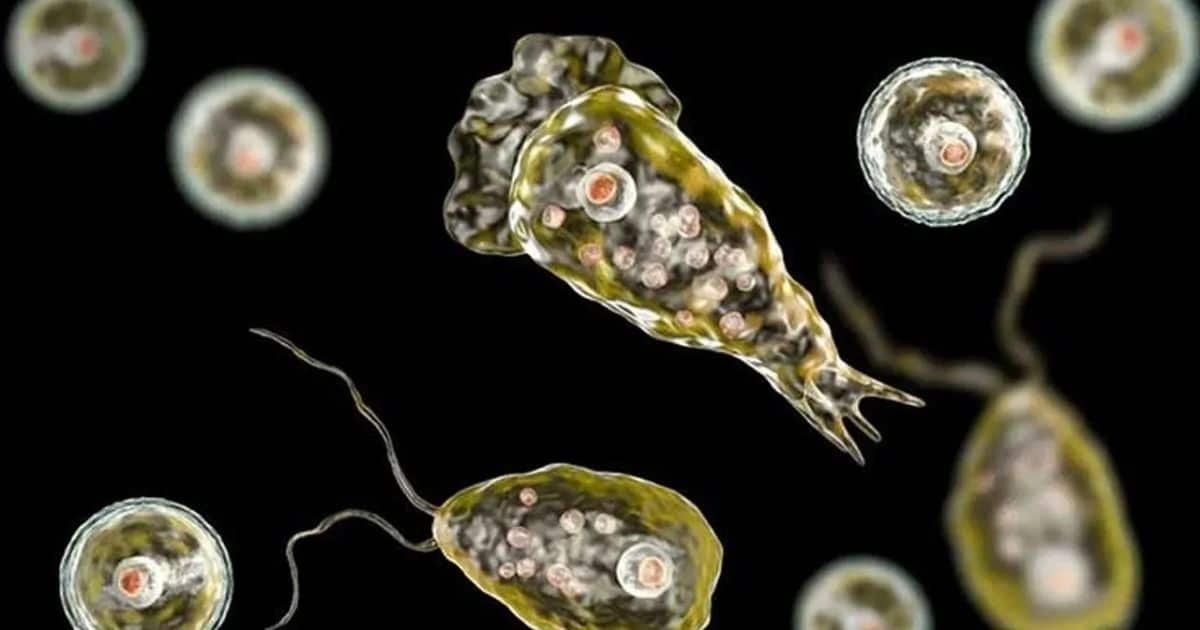





KARACHI, Sept 13 — Sindh has reported its fifth death in 2025 from the dangerous Naegleria fowleri, commonly known as the brain-eating amoeba, health officials confirmed on Saturday.
Young Man Succumbs to Rare Infection
According to the Sindh health department, a 29-year-old Karachi resident passed away on September 11 at a private hospital.
Meeran Yousuf, media coordinator for the provincial health minister, said the patient had developed symptoms on September 7 and was admitted to the hospital on September 11. His diagnosis was confirmed a day after his death.
No Link to Water Recreation
Health officials revealed that the deceased had not engaged in any swimming or water-related activities. His only reported exposure was through regular use of tap water for drinking and bathing.
“This is the fifth death from Naegleria in Sindh this year,” Yousuf confirmed.
What is Naegleria Fowleri?
Naegleria fowleri is a microscopic organism found in warm freshwater sources such as lakes, rivers, hot springs, and soil.
It infects humans when contaminated water enters through the nose — often during swimming or diving. The amoeba travels up to the brain and causes Primary Amoebic Meningoencephalitis (PAM), a condition that destroys brain tissue.
Symptoms and Fatality
Early signs usually appear within five days of exposure and include:
- Headaches
- Fever
- Nausea or vomiting
As the infection progresses, patients may suffer from stiff neck, confusion, seizures, hallucinations, or coma.
The disease is almost always fatal, with most patients dying within a week of symptom onset.
Preventive Measures
Experts say Naegleria cannot survive in cool, clean, and properly chlorinated water. They advise people to:
- Avoid using untreated water for nasal cleansing.
- Ensure tanks and water storage are disinfected.
- Use boiled or filtered water where possible.