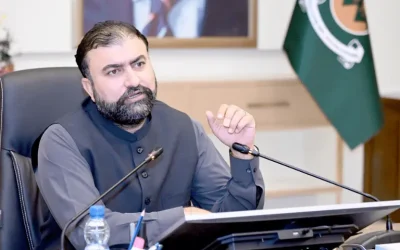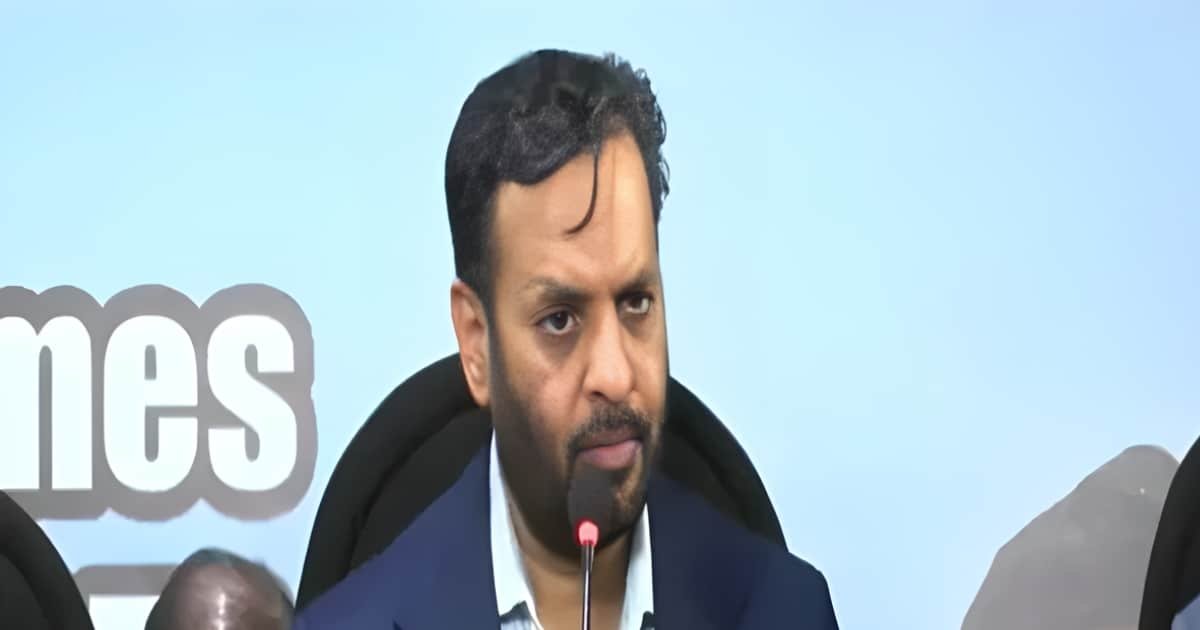





KARACHI: Federal Health Minister and Muttahida Qaumi Movement Pakistan (MQM-P) leader Mustafa Kamal on Monday unveiled key features of his party’s proposed constitutional amendment, calling for the direct disbursement of districts’ and local bodies’ financial shares through the National Finance Commission (NFC), citing persistent failures by provinces to transfer funds to grassroots governments.
Speaking at a gathering at the Karachi Chamber of Commerce and Industry, Mr Kamal argued that genuine regional autonomy could only be achieved when decision-making powers and financial authority were devolved to the local level. He said while a constitutional mechanism exists for transferring funds from the federal government to provinces, no such binding mechanism ensures provinces pass resources on to local governments.
“It depends entirely on the will of an individual whether to give Rs1,000 billion to someone or nothing at all to another,” he remarked, highlighting what he described as arbitrary provincial control over local finances.
You May Also Like: Security Forces Kill 13 Militants in Two Separate Operations in Khyber Pakhtunkhwa: ISPR
Referring to Article 140-A of the Constitution, which mandates the devolution of political, administrative and financial authority to elected local representatives, Mr Kamal said chief ministers interpreted the provision according to their own discretion, undermining the spirit of local governance.
He said MQM-P had held internal deliberations and drafted a constitutional amendment proposing structural reforms in the NFC divisible pool. Under the proposal, districts and local bodies would be added to the central divisible pool, enabling them to receive their shares directly from the federal government, bypassing provincial governments.
Mustafa Kamal said regional autonomy comes when all stakeholders are empowered and autonomous decision-making powers are devolved from the chief minister to union council chairmen.https://t.co/LyK7XjlQQu
— Dawn.com (@dawn_com) December 15, 2025
“We want districts to be treated the same way provinces are treated under the NFC,” he said, adding that this would ensure predictable and transparent funding for local development.
Recalling his tenure as Karachi mayor, which ended in 2010, Mr Kamal lamented the prolonged absence of empowered local governments in the country’s largest city. He criticised past provincial administrations for running Karachi through appointed administrators rather than elected mayors, arguing that major global cities could not function effectively without elected leadership.
He said Karachi had been among the world’s rapidly developing cities during his mayoral term but had since declined sharply in livability rankings. Emphasising the city’s economic importance, Mr Kamal said Pakistan’s economic recovery depended heavily on Karachi, which hosts the country’s two operational seaports, despite lacking basic services such as clean drinking water.
Responding to criticism over his party’s role in the federal government, Mr Kamal said MQM-P was working within limited space to deliver results and raise issues at all relevant forums. He stressed that the party sought constitutional reforms rather than political favours, warning that unresolved structural flaws could push the country toward a “point of no return.”