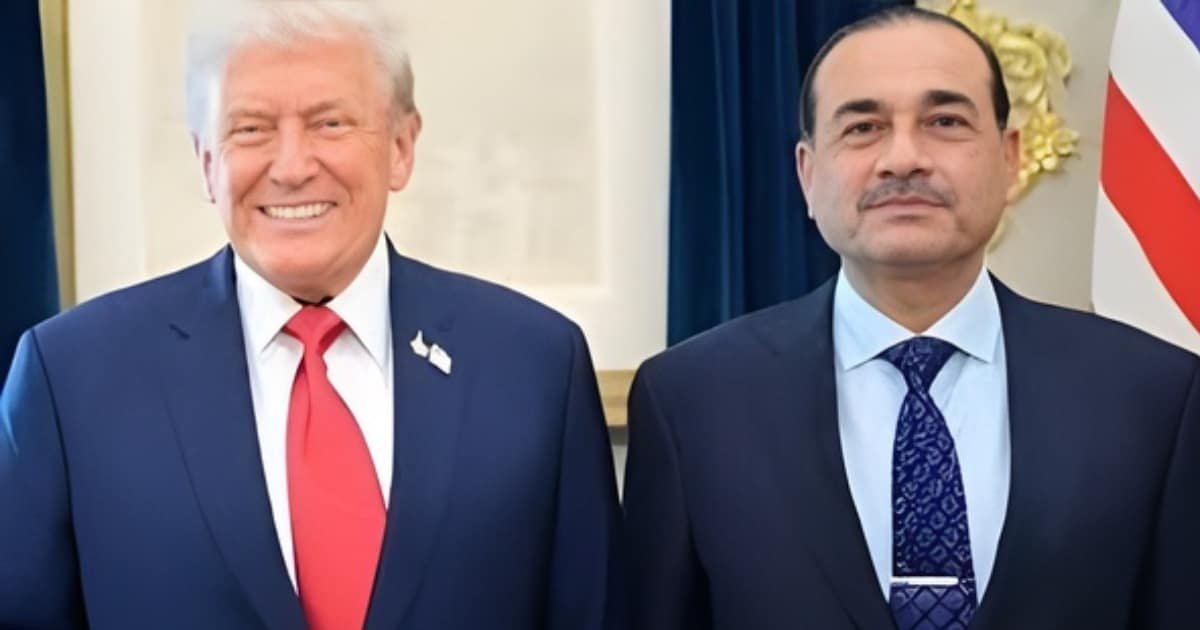




Islamabad, Pakistan — The direct telephone conversation between US President Donald Trump and Pakistan’s Chief of Defence Forces Field Marshal Asim Munir on March 22, 2026, is being described by global analysts as a timely diplomatic breakthrough that helped pause threatened US strikes on Iranian energy infrastructure. During the call, Field Marshal Munir presented Islamabad as a neutral venue for possible direct negotiations and shared the outlines of a comprehensive 15-point peace framework developed through regional mediators. The conversation contributed to President Trump’s announcement the following day of a five-day postponement of strikes on Iranian power plants, creating a crucial window for diplomacy. This engagement once again underscores Pakistan’s responsible and constructive role in a highly volatile region.
BREAKING NEWS: White House CONFIRMS Trump talks with Field Marshal Syed Asim Munir on Iran conflict
The White House has confirmed that US President Donald Trump held discussions with Pakistan’s Field Marshal Asim Munir as part of sensitive diplomatic efforts to prevent war with… pic.twitter.com/Zeq9YchOUX
— SAMAA TV (@SAMAATV) March 24, 2026
Key Highlights
- Field Marshal Asim Munir held a direct phone call with US President Donald Trump on March 22, 2026, to discuss de-escalation in the Middle East conflict.
- CDF FM Asim Munir formally proposed Islamabad as a neutral venue for high-level US-Iran negotiations and shared a 15-point comprehensive peace framework.
- The call helped create conditions for Trump’s announcement of a five-day pause in planned strikes on Iranian energy sites.
- Personal rapport between Trump and Munir, built over previous meetings, played a key role in facilitating open communication.
- Pakistan continues quiet diplomatic coordination with Turkey and Egypt to support broader de-escalation efforts.
A Timely Intervention at a Critical Moment
The call came just as President Trump had issued a strong ultimatum regarding the reopening of the Strait of Hormuz, raising fears of severe disruption to global energy supplies and further escalation. Field Marshal Munir’s direct engagement offered a practical diplomatic off-ramp, focusing on dialogue and presenting concrete proposals for a monitored framework that could address key concerns on all sides. The conversation reportedly emphasised the need for security guarantees for the Gulf and the reopening of vital shipping lanes.
Pakistan’s leadership has consistently advocated for peaceful resolution of disputes while maintaining strong defence ties with Saudi Arabia and open communication channels with Iran. By acting as a trusted intermediary, Pakistan has helped create space for de-escalation without compromising its own security interests or its commitments to regional partners.A senior official familiar with the diplomacy noted that Pakistan is leveraging its unique position to shift the focus from confrontation toward meaningful dialogue, demonstrating its role as a net regional stabiliser.
The developments of the past few days show that quiet, responsible diplomacy can still make a difference even in the most complex conflicts. Pakistan remains ready to host talks in Islamabad if the parties agree and will continue working with all stakeholders to promote peace and stability in the wider region. As the five-day pause provides a window for further engagement, the nation watches with hope that wisdom and restraint will prevail, protecting innocent lives and preventing greater economic hardship for people across the Middle East and beyond.
You May Like To Read: Pakistan Strongly Condemns Harsh Sentences Awarded to Kashmiri Leader Asiya Andrabi
Check out our latest video: