




PESHAWAR, May 16 — The first half of May 2026 has proven to be an exceptionally difficult period for Khyber Pakhtunkhwa (KP). The province is currently managing a multi-layered crisis defined by a severe spike in militant violence, deadly weather patterns, and persistent street-level crime. These pressing governance and safety challenges come at a time of intense political friction, as the KP provincial government remains heavily focused on organizing political rallies and marching toward Islamabad. This division of attention has sparked a domestic debate regarding the provincial administration’s core priorities.
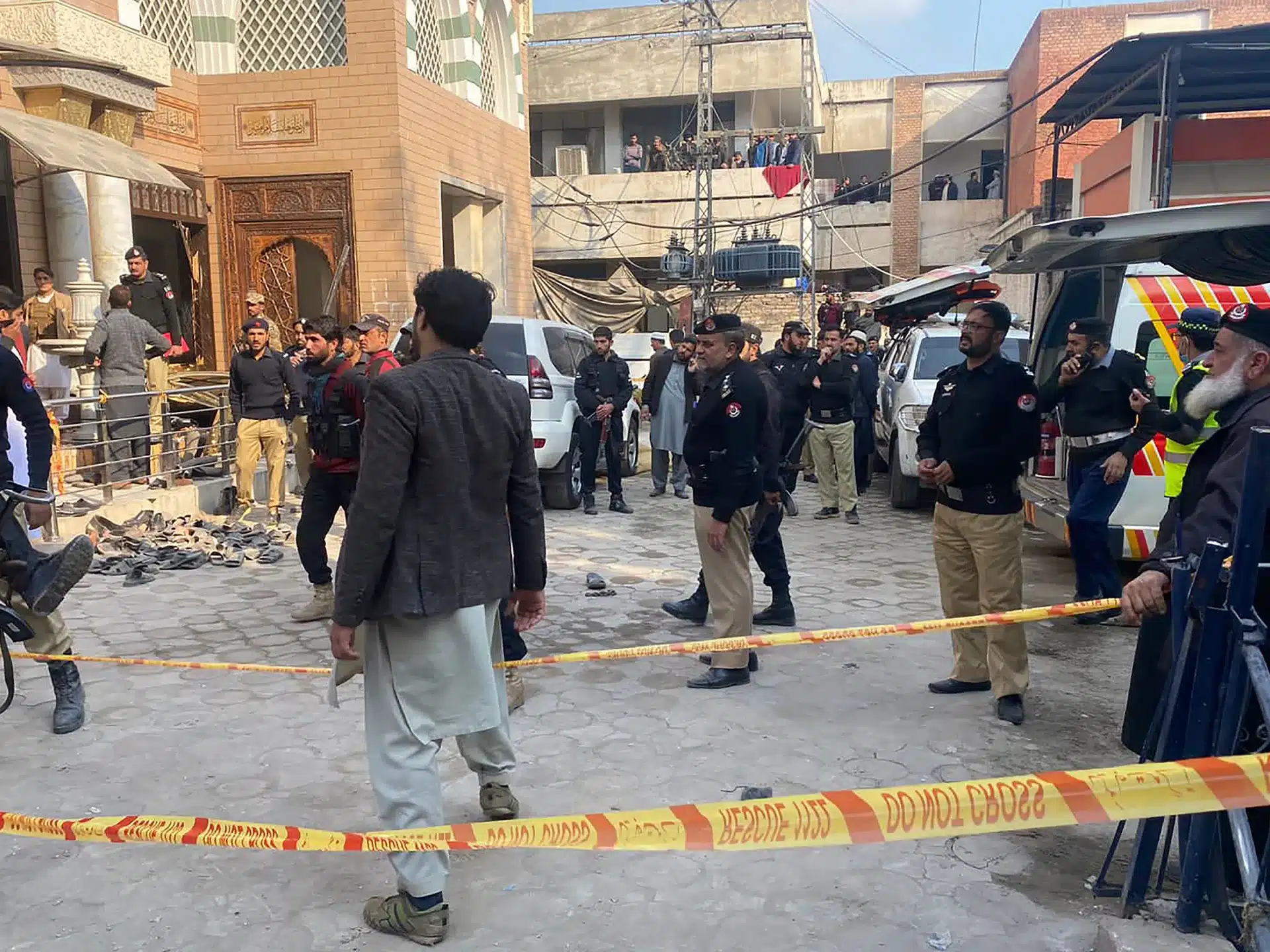
The blast killed nine people and injured at least 33 others, causing panic among residents and damaging nearby structures. Apart from KP, violence was also reported from Duki on 13 May, where an IED targeted security personnel, The blast resulted in the death of five soldiers 6️⃣
— Jawad Yousafzai (@JawadYousufxai) May 16, 2026
Quick Facts
- Militant attacks killed at least 28 security personnel and civilians in the first two weeks of May.
- A major suicide blast in Bannu on May 9–10 claimed the lives of 15 security officials.
- A violent explosion in Lakki Marwat on May 12 killed 9 people and injured 33 others.
- Security forces repelled an assault on a Bajaur army camp, losing 4 soldiers while killing 9 terrorists.
- Severe storms and lightning strikes caused 4 deaths and multiple injuries across northern districts.
- Urban hubs face rising street crime and extortion threats alongside daily traffic accidents.
The most acute crisis facing the province is the rapid escalation of coordinated terrorist attacks, primarily driven by the banned Tehreek-e-Taliban Pakistan (TTP/Fitna-al-Khawarij). The deadliest incident occurred in Bannu, where a vehicle-borne suicide bomb targeted a security post, causing a roof collapse that killed 15 officials. Days later, a blast in Lakki Marwat took 9 lives, including two traffic police officers. Most recently, an intense firefight at an army camp in Bajaur left 4 soldiers and 9 militants dead. These events underscore a deteriorating security situation that demands constant tactical oversight and local administrative focus.
Afghanistan will pay a heavy price soon for doing Indian terrorism.
10 May: Bannu suicide blast martyred 15 policemen.
11 May: Suicide bombing plot foiled in Attock.
12 May: Lakki Marwat blast martyred 9, injured 33 civilians.
13 May: IED blast martyred 4 soldiers and a major.… pic.twitter.com/fYdMXLEw69— Zard si Gana (@ZardSi) May 15, 2026
Compounding the human toll of the security crisis, an aggressive weather system battered the region during the second week of May. The Provincial Disaster Management Authority (PDMA) confirmed 4 fatalities from lightning strikes and building collapses in Shangla, Battagram, Haripur, and Kolai-Pallas Kohistan. The heavy rains also triggered significant traffic disruptions, with Rescue 1122 reporting a surge in road accidents due to poor visibility on major routes like the Indus Highway and Hazara Motorway. Meanwhile, urban centers like Peshawar and Dera Ismail Khan continue to struggle with armed robberies and a noticeable rise in extortion demands targeting local traders.
As these interconnected security, environmental, and economic challenges mount, the provincial government’s political strategy has drawn significant scrutiny. The ruling party in KP has directed substantial administrative energy toward mobilizing public support for anti-government marches into the federal capital. Analysts point out that while the provincial leadership maintains its right to political protest, the current governance vacuum risks leaving local law enforcement and disaster management agencies under-resourced during a critical period of instability. Balancing national political ambitions with the immediate, complex safety needs of KP’s citizens remains the central challenge for the provincial executive.