

The political climate in Sindh has reached a boiling point following a weekend of clashing resolutions and fiery press conferences. On Sunday, February 22, 2026, the Muttahida Qaumi Movement-Pakistan (MQM-P) formally declared a resolution passed by the Sindh Assembly to be “unconstitutional,” “undemocratic,” and an “attack on the federation.”
Saturday’s “Inseparable Karachi” Resolution
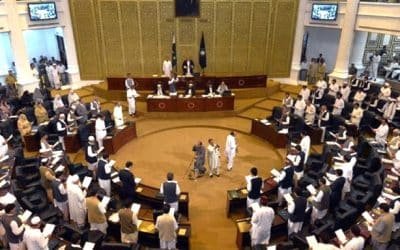
On Saturday, February 21, Sindh Chief Minister Murad Ali Shah moved a resolution in the provincial assembly that was passed by a majority (with support from PTI and Jamaat-e-Islami, but rejected by MQM-P).
- The Declaration: The resolution declared Karachi an “integral and inseparable part of Sindh” and condemned any “conspiracy” to divide the province.
- The Justification: CM Murad cited Article 239 of the Constitution, which requires a two-thirds majority of a provincial assembly to alter its boundaries. He argued that Sindh is one of the world’s oldest civilizations and its territorial integrity is “non-negotiable.”
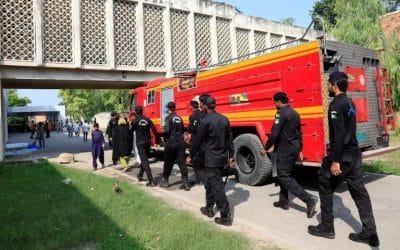
- The Context: The move followed recent calls by MQM-P leader Mustafa Kamal to declare Karachi a “federal territory” or Pakistan’s “economic capital” to address governance failures, such as the tragic Gul Plaza fire earlier this year.
Local governments are deliberately weakened under provincial control.#کراچی_کو_وفاق_کے_حوالہ_کرو pic.twitter.com/RmhG4z68qJ
— DISTRICT_CENTRAL_MQM-P (@MQM_P_D_Central) January 29, 2026
MQM-P’s Response: “Constitutional Defiance”
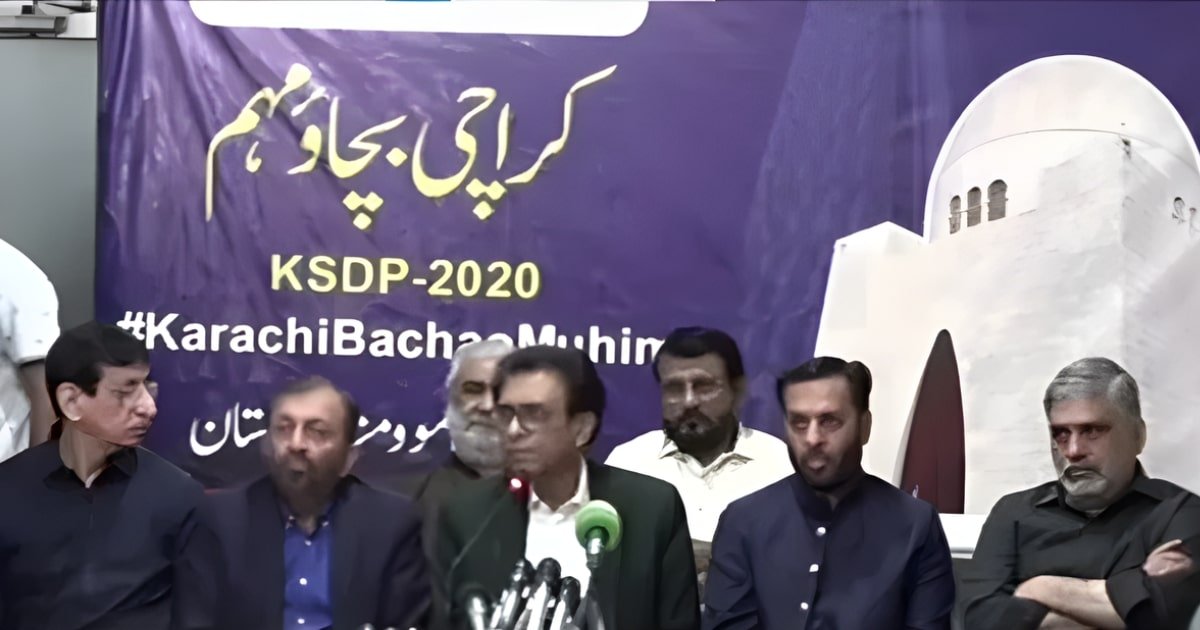
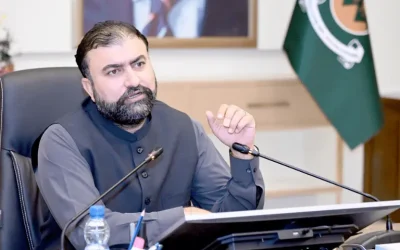
In a high-stakes press conference on Sunday, MQM-P Convener Dr. Khalid Maqbool Siddiqui—flanked by Mustafa Kamal and Farooq Sattar—issued a blistering rebuttal:
- Constitutional Challenge: Siddiqui argued that the Sindh Assembly cannot pass a resolution that “pre-emptively” blocks a constitutional process. He noted that Article 239 explicitly provides the procedure for creating new provinces, and a provincial assembly cannot act as if it is “above the state.”
- The “Artificial Majority”: MQM-P accused the PPP of ruling with a “manufactured majority” based on a flawed census. Siddiqui claimed Karachi’s real population exceeds 40 million, and an accurate count would dismantle the PPP’s numerical dominance overnight.
- Referendum Demand: Referencing Article 48(6), MQM-P leaders called for a referendum to let the people of Karachi decide their own administrative future.
- “Sindhudesh” Allegations: In a sharp rhetorical turn, Siddiqui suggested that by resisting national integration and administrative reforms, the PPP was keeping “dreams of Sindhudesh” alive—a charge the PPP vehemently denies.
Key Constitutional Articles in Play
The debate has transformed into a complex legal tug-of-war:
| Article | Proponents | Argument |
| Article 239 | PPP / Sindh Assembly | No boundary change is possible without a 2/3rd vote from the existing provincial assembly. |
| Article 239(4) | MQM-P | This article defines the right and procedure to create new provinces; it cannot be “banned” by a resolution. |
| Article 140-A | MQM-P | Mandates the devolution of political, administrative, and financial responsibility to local governments (which MQM claims PPP has blocked). |
| Article 48(6) | MQM-P | Allows the President to order a referendum on matters of national importance. |
You May Like To Read: Hyundai Palisade Official Price and Booking Reveal Today
Governance vs. Identity
While the PPP frames the issue as the “sanctity of the motherland,” MQM-P frames it as a “survival of the city.” Critics note that while the constitutional bar for a new province is very high, the persistent governance failures in Karachi—highlighted by recent infrastructure collapses and fire disasters—continue to fuel the demand for a separate administrative setup.
Check out our latest video: