

Human trafficking is one of the gravest crimes against humanity—and in Pakistan, it remains a deep and painful reality. Every year, countless men, women, and children are deceived, coerced, or forced into labor, sexual exploitation, or perilous migration routes. These victims are often stripped of their identity, agency, and dignity by criminal networks that profit from modern-day slavery.
Yet in the face of this horrifying practice, Pakistan is fighting back. Over the past year, a growing wave of enforcement, survivor testimonies, and legal reforms have begun to shift the tide. From airport interceptions to court-led rescues and asset seizures, the state’s response is becoming more resolute and coordinated. Pakistan is sending a clear message: trafficking will not be tolerated.
A National Crisis with Global Links
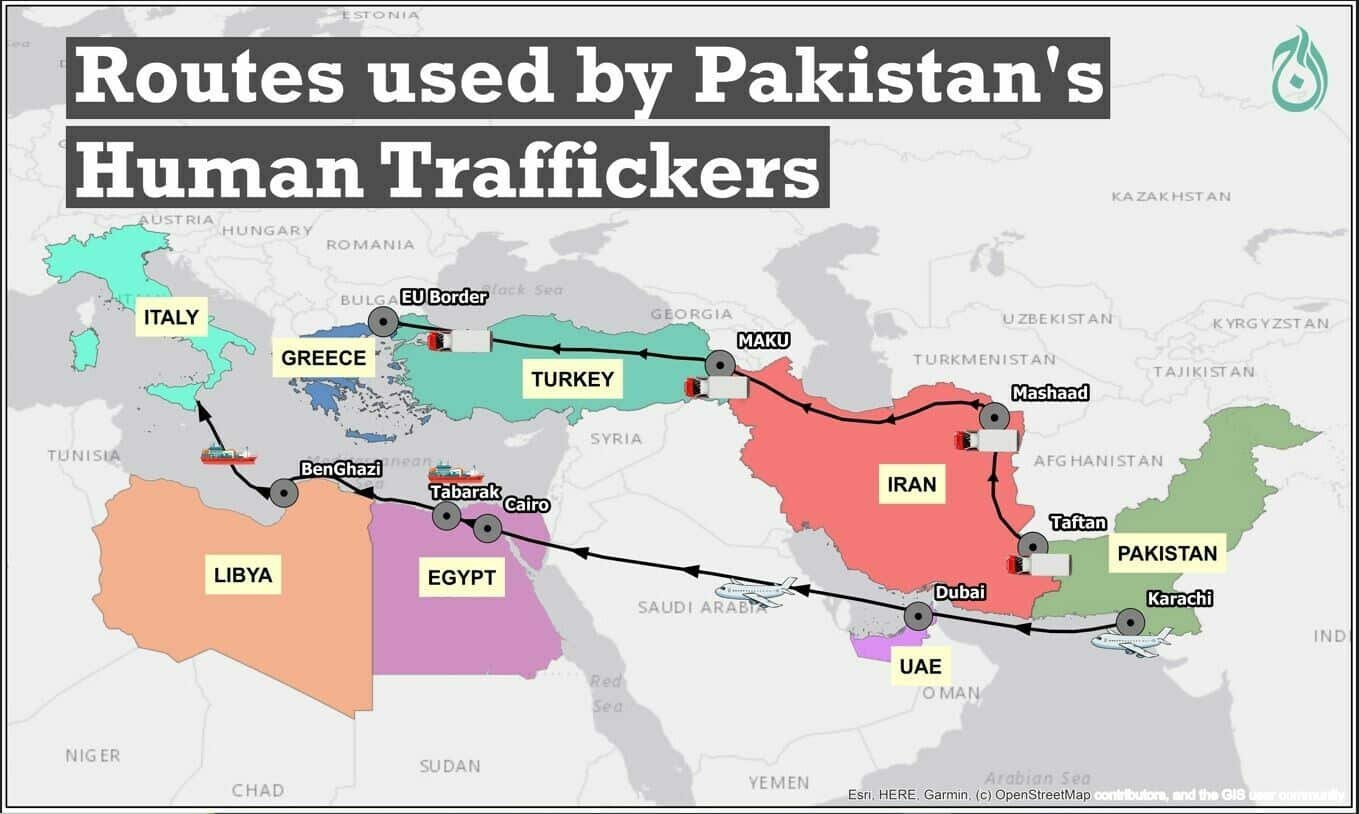
Pakistan is uniquely positioned as a source, transit, and destination country for human trafficking. As outlined in the U.S. State Department’s 2024 Trafficking in Persons Report, trafficking networks operate both within and across Pakistan’s borders, involving everything from forced labor and sexual slavery to coerced migration and fake marriages abroad.
Survivor Testimonies: Pain, Courage, and Justice
False Promises, Real Exploitation
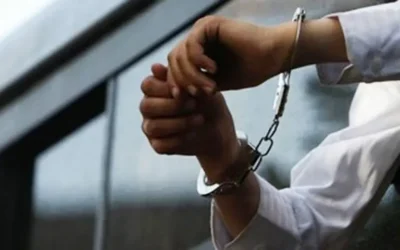
Many trafficking victims are lured with dreams of jobs or better lives abroad. In several high-profile cases, the Federal Investigation Agency (FIA) arrested traffickers at Pakistani airports as they attempted to smuggle young women to China under false promises of employment and marriage. These women were often coerced into signing fake contracts or promissory notes—some worth over PKR 1 million—and later subjected to abuse and exploitation.
Horror at Sea
Survivors of the West African and Libyan boat disasters have described in chilling detail how traffickers confiscated their passports, demanded bribes, and tortured non-paying passengers. In many cases, the migrants were thrown overboard. The Government of Pakistan responded by repatriating survivors and the deceased, working in coordination with international authorities and embassies.
Children in Bondage
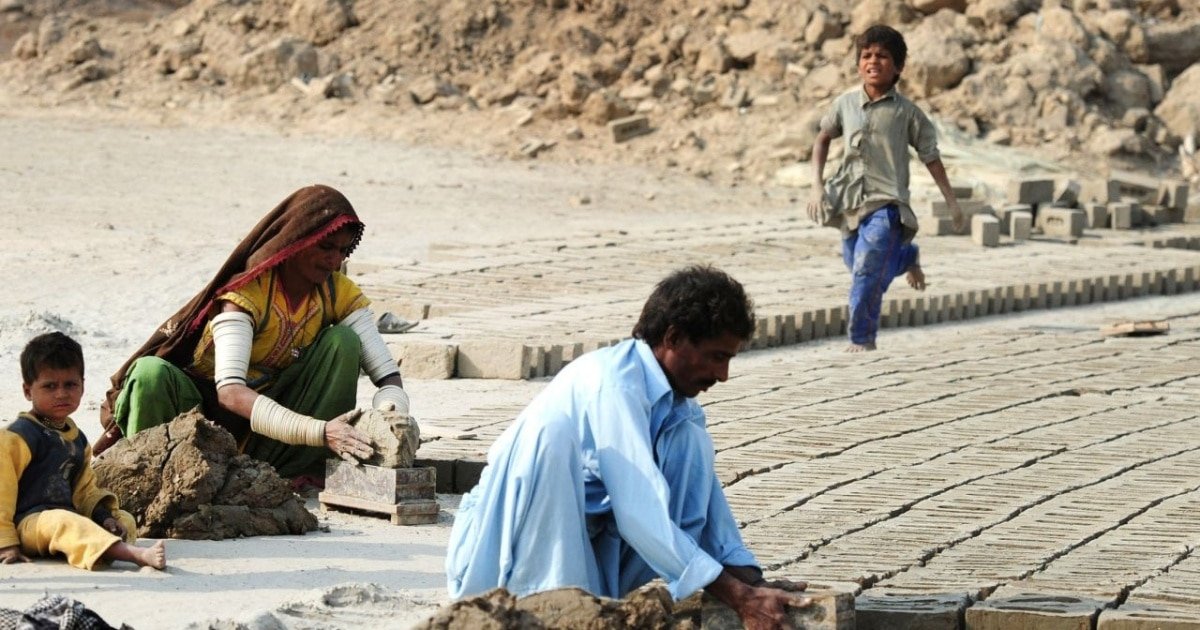
Child trafficking remains an especially dark chapter in this crisis. From domestic servitude to brick kilns and agriculture, children across Pakistan are being exploited in labor that robs them of their childhood. According to the U.S. Department of Labor’s 2023 findings, millions of children in Pakistan are subjected to the worst forms of labor, including forced and bonded work.
Crackdowns and Rescues
Smuggling Intercepted at Airports
One of Pakistan’s key tools in fighting trafficking is preventive action at border crossings. In 2024 alone, the FIA prevented over 27000 passengers from leaving the country due to suspected irregular migration. These actions reflect major improvements in surveillance, risk profiling, and coordination with global partners.
Labor Camps Dismantled
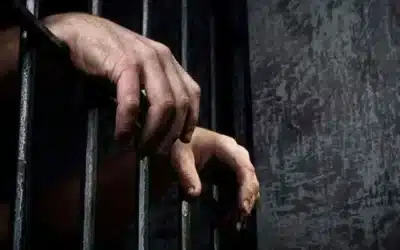
Trafficking isn’t limited to international routes—it thrives within Pakistan’s borders as well. In July 2025, the Lahore High Court ordered the rescue of 21 bonded laborers, including women and children, from a brick kiln near Samundri. In a separate 2024 operation, police in Umerkot freed 61 individuals from a private jail where they were being exploited.
Legal Tools: From Punishment to Prevention
Pakistan’s anti-trafficking legislation has seen real progress in recent years.
- Anti-Money Laundering Act (AMLA) 2010: The FIA now uses this law to seize assets and freeze accounts linked to trafficking networks. Financial disruption is a powerful deterrent, ensuring that perpetrators cannot hide their profits.
- UN Protocol Ratification: Contrary to some reports, Pakistan ratified the UN Protocol to Prevent, Suppress and Punish Trafficking in Persons in 2010. This legal alignment with global standards has improved international cooperation, victim protection, and prosecution of transnational offenders.
- Enhanced Screening Measures: Since mid-2024, stricter screening at airports—especially for passengers from high-risk areas—has helped flag thousands of potential trafficking cases before victims leave the country.
From Rescue to Recovery
Rescuing a victim is only the first step. True justice means providing the tools for healing and reintegration.
The FIA’s Child Protection Bureau, in partnership with civil society groups like the Ansar Burney Trust, has offered counseling, shelter, education, and legal aid to survivors. By August 2025, hundreds of trafficking survivors will have passed through these safe spaces in cities like Lahore, Karachi, and Peshawar—each one reclaiming their future.
A Religious and Civic Duty
Human trafficking is not only a violation of human rights—it is a violation of Islamic values. The Qur’an teaches: “Allah enjoins justice and good conduct…” (16:90), while Prophet Muhammad ﷺ championed the protection of the oppressed. Trafficking defies the Islamic principles of amanah (trust) and hurriyah (freedom). Pakistan’s fight against it is not just about laws—it is about fulfilling a sacred responsibility.
Gains and Gaps: Where We Stand
What’s Working:
- Greater interception at airports and maritime routes
- Legal frameworks for asset seizure and prosecution
- Survivor support and shelter networks
- Increased public awareness and media coverage
What Still Needs Work:
- Hidden trafficking networks in rural and remote areas
- Limited shelters and funding in underserved provinces
- Weak coordination between federal and provincial actors
- Lack of public data on prosecutions and rehabilitation
- Stigma against survivors that hinders reintegration
Conclusion: From Pain to Purpose
Pakistan’s war against human trafficking is not won in a single operation—it’s a long journey marked by courage, cooperation, and compassion. Each rescued girl, each exposed smuggler, and each safe return is a victory for humanity. But the work continues. Strengthening institutions, expanding victim support, and tackling the cultural silence around trafficking must be national priorities.
As the Qur’an reminds us: “Whoever saves one life, it is as if he saved all of humanity” (5:32). Through faith, law, and relentless action, Pakistan is proving that it will not stand idle while its people are enslaved. This is not just a legal battle—it is a moral reclamation.