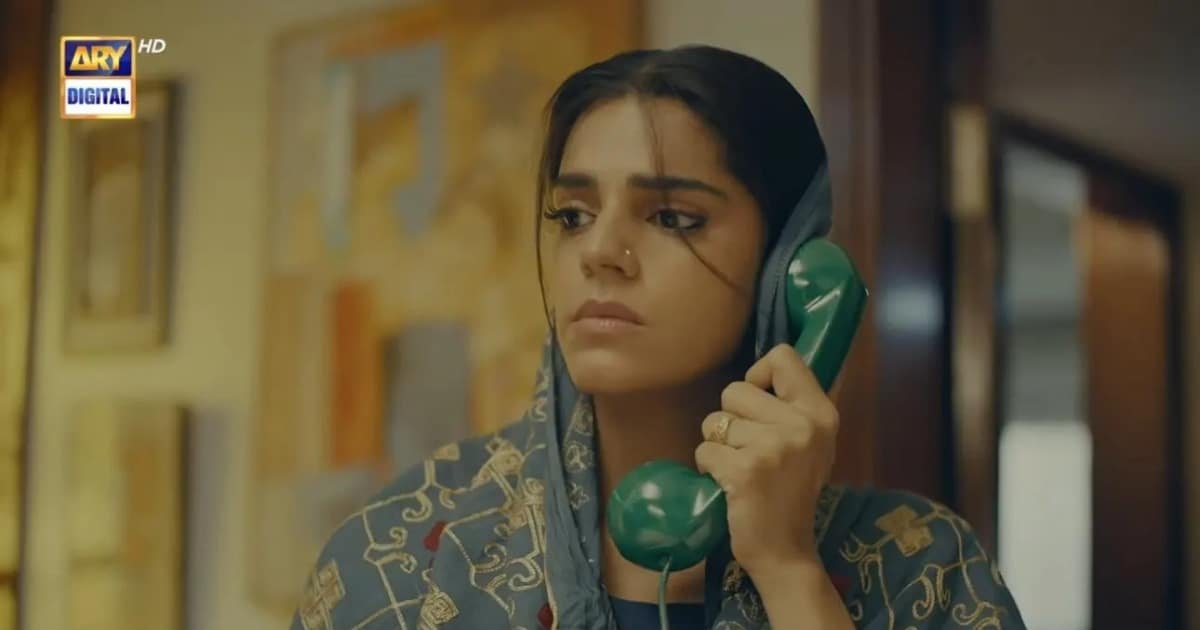




Recently, Sanam Saeed ignited a much-needed conversation about the “suffering woman” trope that has long dominated Pakistani television. Following the conclusion of the first chapter of her drama Kafeel, the actress took to social media to pen a blunt “performance review” for her own character, Zeba, one that serves as a jarring wake-up call for viewers accustomed to romanticizing female endurance.
You May Like To Read: The Ken Doll Fiasco: Fashion, Politics, and Tone-Deafness
Endurance is Not a Virtue
In the Umera Ahmed-scripted series, Saeed plays a woman trapped in a draining marriage with Jamshed (Emmad Irfani), a man fueled by deep-seated insecurity and verbal aggression. While traditional scripts might frame Zeba’s silent patience as “noble,” Saeed’s remarks stripped away the glamour. She described Zeba not as a saintly figure, but as a “warning.”
“Sacrificing yourself and living in misery helps no one,” Saeed wrote, addressing the millions of women who see their own domestic labor reflected in the show. “You only get one life, and self-preservation is not selfishness.”
The ethereal Sanam Saeed and her anguished, stunning silences in #Kafeel ✨❤️🩹 pic.twitter.com/RDDxHX7uZi
— UziShi 🤷🏻♀️ (@UzmaRS) January 6, 2026
Beyond the Screen
The timing of her statement coincided with a surge in social media debates regarding the “noble suffering” narrative. Saeed challenged the idea that being a farmabardar (obedient) daughter or wife should ever require surrendering one’s mental peace or safety. By urging young women to trust their “gut over their heart,” which she noted is often “confused by loyalty and fear,” she has pivoted the role of the TV heroine from a victim to be pitied to a cautionary tale to be analyzed.
View this post on Instagram
For the Pakistani audience, this marks a significant shift. Saeed is using her platform to remind viewers that Zeba’s pain isn’t meant to be admired; it is a mirror to a reality that should never have been necessary in the first place.
You May Like To Read: The Ken Doll Fiasco: Fashion, Politics, and Tone-Deafness