



Islamabad, January 29, 2026 — The Tirah issue in Khyber Pakhtunkhwa has captured national attention, with thousands of families leaving their homes amid harsh winter weather and security concerns. What started as a practical response to snowfall and potential threats from militants has turned into a heated debate between federal and provincial authorities. Locals speak of hardship and uncertainty, while both governments point fingers — yet everyone agrees on the need to protect lives and restore peace. Here’s a straightforward breakdown to help you understand the situation, its roots, and the human side without the noise.
Key Highlights
- Around 80-85 percent of Tirah Valley residents have been evacuated so far, with the process paused due to heavy snowfall.
- Federal government denies any forced displacement or ongoing military operation, calling it seasonal migration.
- Khyber Pakhtunkhwa government insists it’s linked to security actions, authorised jointly but mishandled.
- Local elders demand transparency, compensation, and an end to “inhuman treatment” during relocation.
- History traces back to militancy in the region, with past operations against groups like TTP leading to displacements.
1. What is Tirah Valley?
Tirah Valley, nestled in the Khyber district of Khyber Pakhtunkhwa near the Afghan border, is a rugged, scenic area home to the Afridi tribes. It’s known for its strategic location — and unfortunately, a history of unrest. Families here have long balanced harsh winters with the demands of daily life in this remote part of Pakistan.
2. The Current Problem: Mass Evacuation
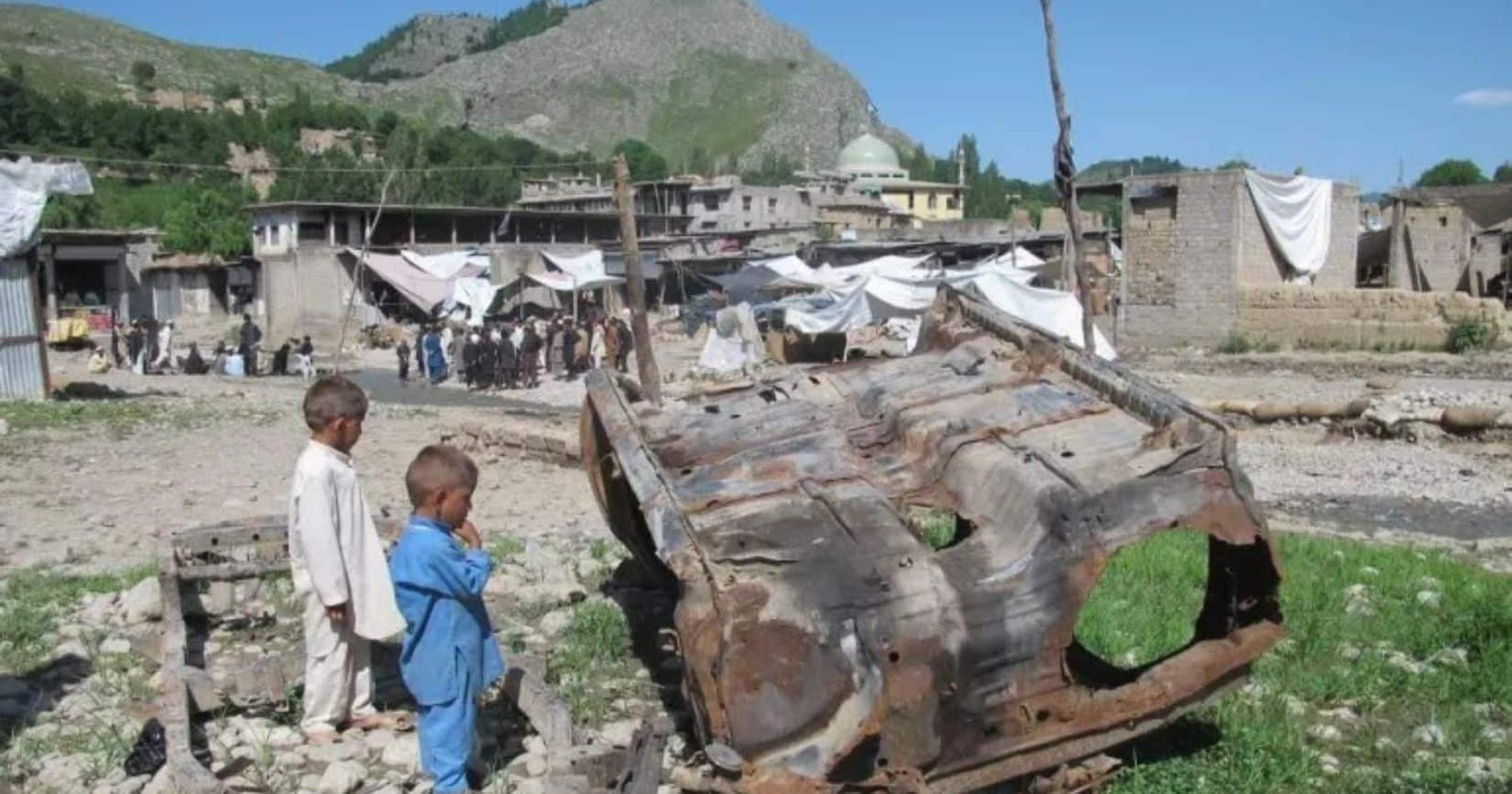
Thousands of families have vacated their homes over the past weeks, relocating mainly to Bara. Heavy snowfall has stranded many on the 110-kilometer road, multiplying miseries like food shortages and sleepless nights in freezing cold. Rescue teams, including Rescue 1122, have saved over 1,500 people, but the process remains tough — a reminder of how nature and security can collide.
3. Why Now? Security and Weather Mix
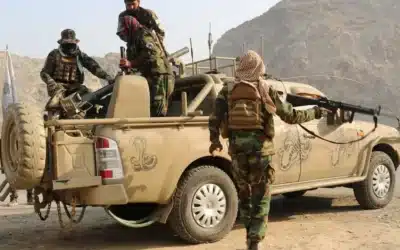
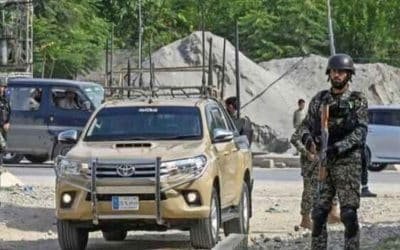
Officials cite seasonal migration due to snow, but whispers of an impending military action against militants add urgency. No formal operation has been confirmed, yet the evacuation feels tied to clearing the area for safety. For families, it’s not just about weather — it’s about fearing what comes next in a valley that’s seen too much conflict.
4. Federal Government’s Stance
The federal government, through Defence Minister Khawaja Asif, firmly denies any military operation or evacuation orders. They call it routine winter movement and blame the Khyber Pakhtunkhwa government for inflating the narrative to hide issues with a Rs4 billion relief package. The focus, they say, is on intelligence-based operations to avoid civilian harm — a measured approach to protect national security.
5. Khyber Pakhtunkhwa Government’s View
The provincial government, led by the PTI, insists the displacement was jointly decided after consultations with tribal elders for a security push. Chief Minister Sohail Afridi (in recent statements) accuses the federal side of backtracking, leaving families in limbo. They highlight the Rs4 billion aid as support, not corruption — pointing to federal inaction as the real problem.
6. The Contradiction: Blame Game Between Centre and Province
Here’s where it gets tense: Federal officials say no op exists and blame Khyber Pakhtunkhwa for politicising migration to deflect from governance lapses. The province counters that federal forces initiated the push but won’t own the fallout. This divide — seasonal vs. forced — leaves locals caught in the middle, underscoring the need for better coordination between Islamabad and Peshawar.
7. What the Local Community Says
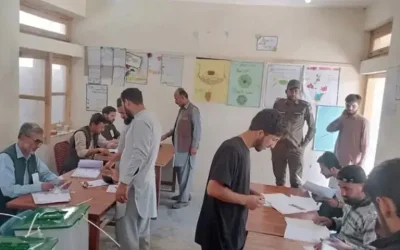
Tribal elders like Hamidullah Jan Afridi and Hashim Khan Afridi voice deep frustration. They blame both governments for “inhuman” handling — herding women into mixed registration centres against cultural norms, lack of transparency in aid, and decisions made “behind closed doors.” Many demand compensation for losses and a halt to ops, arguing they won’t solve root issues like underdevelopment.
8. The Humanistic Side: Families in the Cold
Imagine families — children bundled against -10°C winds — trudging through snow, unsure when they’ll return home. Shortages of edibles hit hardest for those still stranded; in Bara, relatives open doors, but the emotional toll is heavy. It’s not just displacement; it’s the quiet dignity of people who’ve endured much, hoping for a peaceful valley where kids can play without fear.
9. History of the Problem
Tirah’s troubles date back decades: Once part of FATA, it became a militant hotspot in the 2000s with TTP hideouts amid the Afghan border. Past operations like Zarb-e-Azb (2014) displaced thousands, clearing threats but leaving scars. Merged into Khyber Pakhtunkhwa in 2018, the area still grapples with insurgency remnants — a cycle of security drives, returns, and fresh flare-ups tied to regional instability.
10. What’s Next? Calls for Unity
With evacuation centres expanded (now six in Bara) and weather improving, focus shifts to aid distribution and safe returns. Both governments must bridge their gap — perhaps through joint audits of funds — to rebuild trust. For Pakistan, resolving the Tirah issue means stronger federal-provincial harmony, ensuring security without sidelining the people’s needs. After all, a united front is what keeps the nation resilient.
You May Like To Read: Field Marshal Asim Munir Witnesses “Steadfast Resolve”, Transformation & Technology