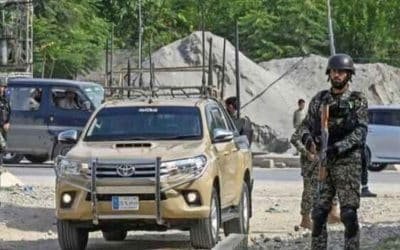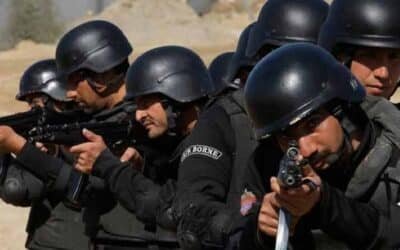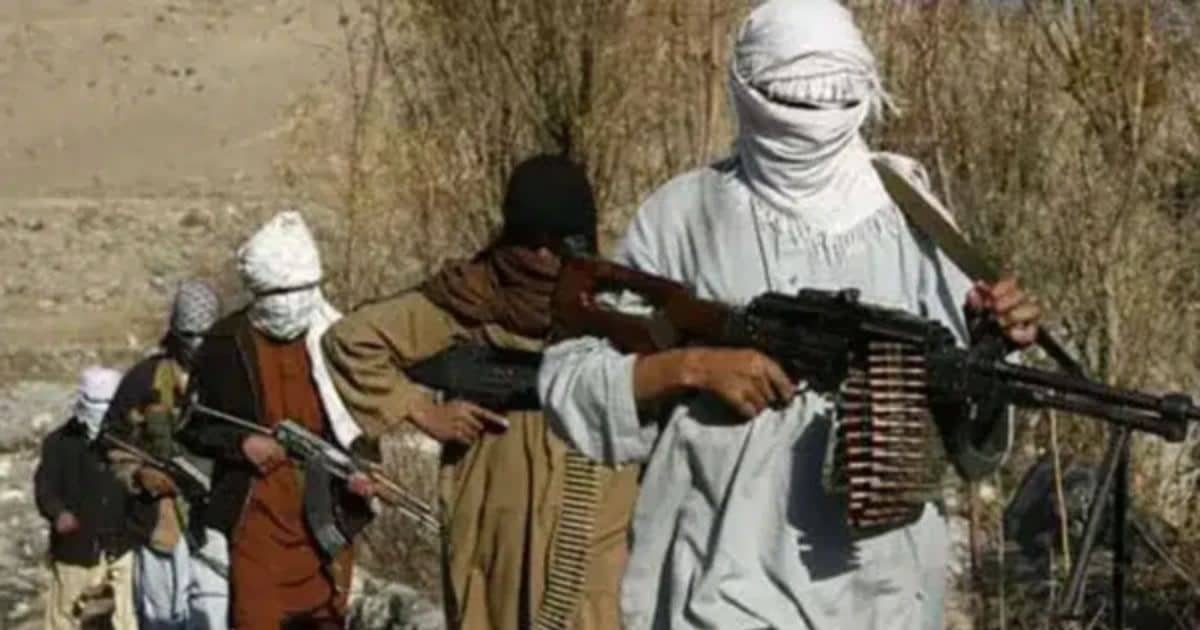





A chilling new report from the UN Security Council’s Analytical Support and Sanctions Monitoring Team (covering July–December 2025) warns that the Tehreek-i-Taliban Pakistan (TTP) is no longer just a localized insurgency. With the “preferential treatment” and active support of the Afghan Taliban, the group is evolving into a significant regional, and potentially global menace.
The 37th report, discussed by the Council on Tuesday, February 10, 2026, details how Afghanistan has become a “permissive environment” for terror groups to consolidate power.
From Insurgency to “Extra-Regional” Threat
The UN assessment highlights that the TTP is being accorded “greater liberty” than any other group in Afghanistan, leading to a massive spike in cross-border violence.
- Support Infrastructure: The TTP enjoys access to safe houses in Kabul, movement passes, and weapon permits.
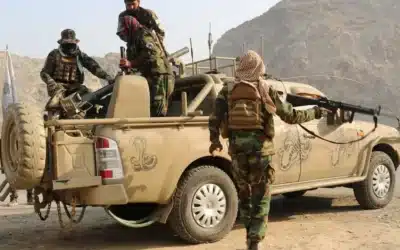
- Expanding Footprint: The group has established or expanded training centers in Kunar, Nangarhar, Khost, and Paktika, often under the protection of the Haqqani Network.
- Manpower: Conservative estimates place TTP strength at 6,000 fighters.
- The Global Shift: Member states fear the TTP is deepening ties with Al-Qaeda to target a wider array of international interests, potentially striking targets far beyond Pakistan’s borders.
Al-Qaeda: The “Service Provider”
While the TTP provides the boots on the ground, Al-Qaeda is acting as the intellectual and technical engine for militancy in the region.
- Role: Acts as a “service provider” by offering specialized training, ideological guidance, and advice on “external operations.”
- New Fronts: Al-Qaeda in the Indian Subcontinent (AQIS) is reportedly using a new umbrella group, Ittihad-ul-Mujahideen Pakistan, to conduct deniable operations that don’t directly embarrass their Taliban hosts.
IS-Khorasan: Resilience through Technology
Despite heavy crackdowns by both the Taliban and regional states, ISIL-K remains a “potent threat” with an eye on the future.
- Cyber Outreach: The group is increasingly tech-savvy, using AI and online gaming platforms to radicalize and recruit youth across Central and South Asia.
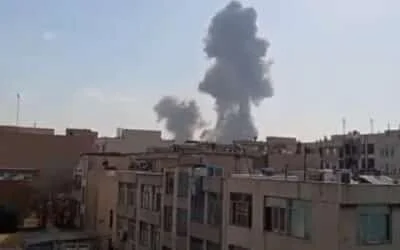
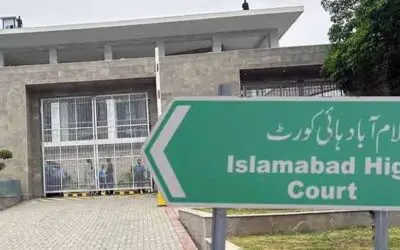
- Targeting: IS-K remains focused on sectarian attacks (such as the recent Feb 6 bombing in Islamabad) and projecting power into northern Afghanistan.
You May Also Like: TTP Ringmasker Sanaullah Agha Neutralized in Pishin
The Convergence: TTP, BLA, and ISIL-K
Perhaps the most alarming finding is the emerging collaboration between diverse militant groups that were previously seen as rivals or ideologically distinct.
- Joint Camps: The report cites evidence of the Balochistan Liberation Army (BLA) collaborating with both the TTP and ISIL-K.
- Shared Resources: These groups are reportedly sharing training facilities, coordinating attack timings, and holding high-level commander meetings to maximize the impact of their operations against the Pakistani state.
Regional Implications
The UN report underscores that the Taliban’s “regime unity” is often prioritized over international counter-terrorism commitments. While some elements of the Taliban view the TTP as a liability, the dominant hardline factions continue to see them as ideological brothers-in-arms.
بلکل درست اور عمران خان دہشت گرد TTP کا سیاسی نمائندہ ہے اور PTI اصل میں TTP کا سیاسی دھڑا۔ https://t.co/qoU2IeIEOR
— Syed Faraz Darvesh (@FarazDarvesh) February 11, 2026
You May Like To Read: