

Introduction: A Legacy of Service
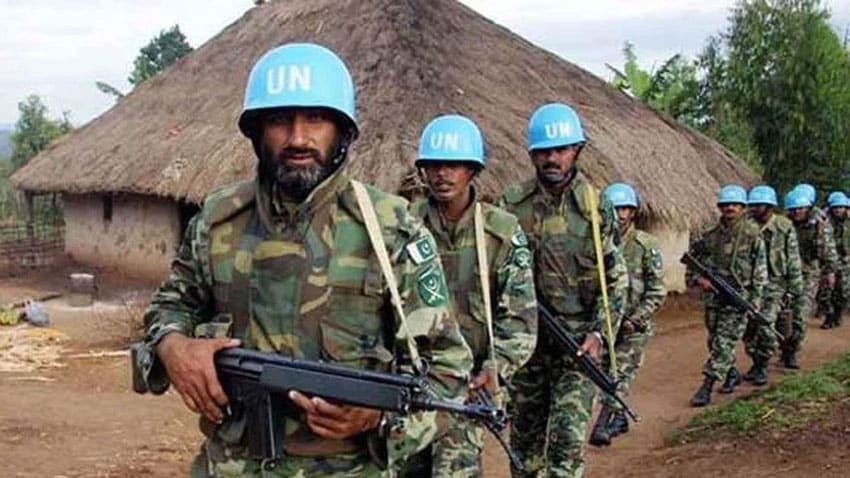
For well over 60 years, Pakistan has proudly participated in United Nations peacekeeping missions. Our soldiers, doctors, engineers, and police officers have operated in some of the world’s most perilous conflict zones. From Congo to Haiti, and from Sudan to Sierra Leone, Pakistan has demonstrated to the world that we stand for peace, justice, and assisting those in need.
As of 2024, Pakistan is among the top three countries contributing troops to UN peacekeeping operations. More than 4,200 Pakistani personnel are currently deployed in nine UN missions, and over 200,000 have participated since our first mission in 1960. This highlights Pakistan’s strong dedication to global peace and cooperation.
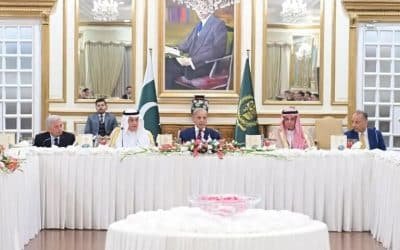
The DPM/FM, Senator Mohammad Ishaq Dar @MIshaqDar50, addressed the Ambassadors of the OIC countries in New York today, outlining Pakistan’s steadfast commitment to advancing peace, security, and development, particularly on issues of key interest to the Muslim world including… pic.twitter.com/ZG2vQkGScP
— Ministry of Foreign Affairs – Pakistan (@ForeignOfficePk) February 17, 2025
Our Global Footprint: Peacekeeping Around the World
Pakistan joined its first peacekeeping mission in Congo in 1960, shortly after becoming a member of the United Nations. Since then, our troops have served in 46 UN missions across 29 countries, providing support in both peace enforcement and humanitarian roles.
Some of the most significant deployments include:
- Somalia (UNOSOM): Pakistani soldiers provided food security and rescued civilians under fire.
- Bosnia (UNPROFOR): Pakistani troops protected Muslim populations during the Yugoslav conflict.
- Liberia (UNMIL): Our personnel assisted in rebuilding communities following a prolonged civil war.
- Democratic Republic of Congo (MONUC / MONUSCO): Pakistan’s largest peacekeeping presence, where troops helped keep rebels away from civilians.
- Sudan and South Sudan (UNMIS / UNMISS): Peacekeepers played a role in stabilising post-conflict zones and protecting refugees.
In Haiti, Pakistani peacekeepers also established free medical camps and reconstructed schools damaged by earthquakes. Their efforts frequently go beyond military duties, earning praise from both UN officials and local communities.
Faith and Duty: The Islamic Values Behind Our Mission
Pakistan’s contribution to peacekeeping is grounded in both our national identity and Islamic values. Islam advocates peace, the protection of the weak, and justice. It instructs us to stand for truth, even during challenging times.
Pakistani peacekeepers embody these values. Whether rebuilding mosques and schools, distributing aid, or providing free healthcare, their service reflects the teachings of Islam: to assist those who are suffering, regardless of their race or religion.
This is also in line with the concept of “Ummah” — caring for all people as part of one global community. Our soldiers are not just peacekeepers; they are ambassadors of compassion.
The Sacrifices We Make
Peacekeeping is challenging. It often involves significant danger, lengthy separations from family, and tough living conditions. Many of our troops operate in war zones with minimal protection and high risk.
As of 2024, 171 Pakistani peacekeepers have sacrificed their lives while serving under the UN flag. Their bravery is remembered not just by the people of Pakistan but by the global community.
The “Dag Hammarskjöld Medal”, awarded to fallen UN peacekeepers, has been posthumously presented to many Pakistanis. This demonstrates the international respect they have earned through service and sacrifice.
Why Peacekeeping Matters for Pakistan
Pakistan’s active role in peacekeeping brings many benefits:
- It builds our image as a peaceful and responsible country.
- It strengthens our diplomatic ties with other nations.
- It gives our military and police valuable international experience.
- It brings foreign exchange earnings that support our armed forces. In 2023 alone, Pakistan received over $100 million USD from the UN for peacekeeping contributions.
Our peacekeepers also foster people-to-people ties and promote understanding between cultures, which is crucial in today’s increasingly divided world.
Challenges and What Needs to Improve
Despite our strong record, there are areas where we need to improve.
Gender Representation: Women make up less than 3% of our peacekeeping personnel. The UN encourages at least 15% female participation in future missions, especially in police and medical roles. We must train and support more women to take part.
Training and Technology: We also need to enhance our language training, equipment, and communication skills. Many missions require peacekeepers to speak English or French and to use digital tools for quick and clear reporting.
Conduct and Accountability: Several misconduct cases involving peacekeepers from various countries, including Pakistan, have undermined trust. We must ensure that all our peacekeepers adhere to the strictest moral and ethical standards. The Ministry of Defence has already introduced a Peacekeeper Code of Conduct Training Module, but more regular refresher courses are essential.
A Call for National Support
Peacekeeping is a source of national pride, but it also needs public awareness. More Pakistanis should be aware of the outstanding work our peacekeepers do. Schools, TV channels, and mosques can highlight their service. It will inspire young people and help us grow a new generation of peace ambassadors.
We should also establish special scholarships and honours for the families of peacekeepers who die in service. Their sacrifice deserves not only medals but also long-term support.
Conclusion: A Proud Legacy to Strengthen
Pakistan’s role in UN peacekeeping reflects the best of who we are — brave, compassionate, and committed to justice. Our soldiers don’t just wear a uniform; they carry our country’s name and values to the world.
As we move forward, we must invest in:
- Training and modern equipment
- Greater female participation
- Community engagement and education
- Stronger internal oversight and transparency
UN peacekeeping provides Pakistan with an opportunity to serve the world whilst staying true to our faith and national values. It demonstrates how a Muslim-majority country can lead with honour, help build peace, and support global justice.
In strengthening our peacekeeping role, we do more than protect others — we also honour our own history, and we help shape a world where peace, not war, defines the future.