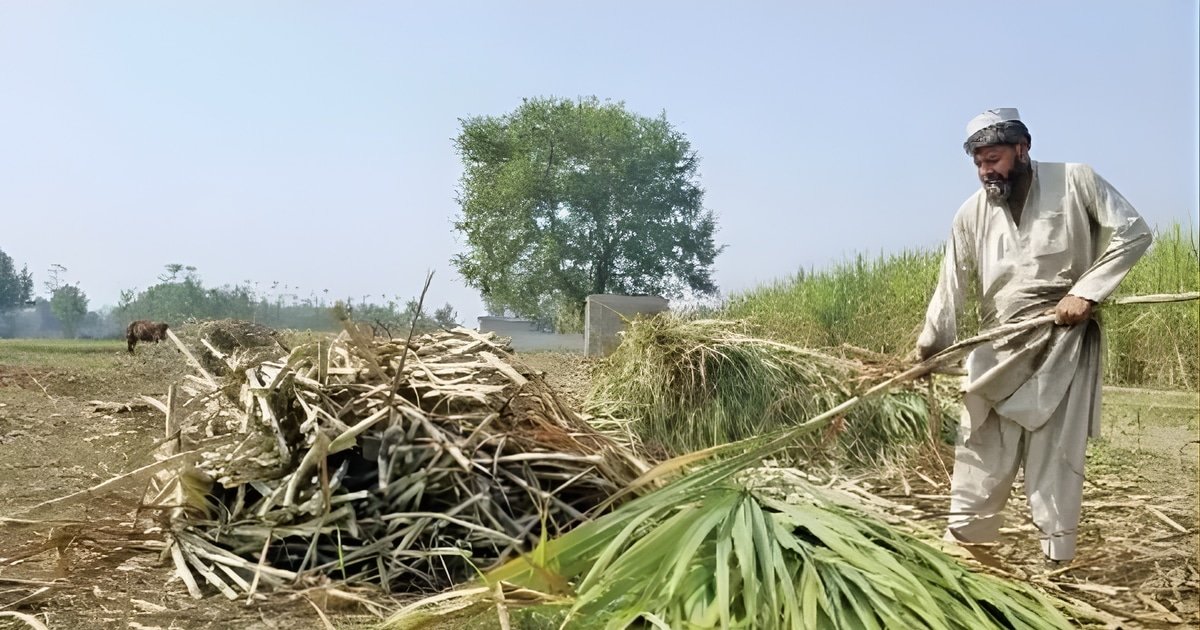





As Sindh’s agriculture sector enters a new harvesting cycle, Sugarcane Crisis are confronting yet another year of uncertainty, driven by delays in mill operations, the absence of a notified cane price and concerns over the influence of International Monetary Fund (IMF) reform conditions on government decisions.
While the Sindh government recently announced its intention to procure wheat for the 2025–26 season, it has appeared hesitant to fix an indicative sugarcane price — a move farmers believe is tied to IMF demands for reducing market distortions and limiting state intervention. The date for the commencement of crushing, notified as Nov 15, passed with many mills still dormant as late as Nov 21.
“No one knows what price the mills will offer,” said Sindh Abadgar Ittehad (SAI) president Zubair Talpur, who farms in Umerkot. Farmers argue that without crushing, their ability to clear fields for wheat sowing — already under water stress in many areas — is jeopardised.
Last season, the government also avoided setting a cane price. This year, farmers’ expectations have grown after indications that the wheat support price will be fixed. They argue that if wheat procurement is being justified to support domestic farming and reduce import reliance, sugarcane growers deserve the same clarity.
Frustrated with the deadlock, Sindh Chamber of Agriculture (SCA) vice president Nabi Bux Sathio emailed the IMF’s country representative in Islamabad, seeking clarity on whether the Fund had barred federal and provincial governments from fixing cane prices. He cited soaring sugar prices — currently Rs225–230 per kg in major markets — and rising cultivation costs as justification for growers’ demand of Rs600 per 40kg.
The Sindh Agriculture Research department has calculated sugarcane costs at Rs321,000 an acre against last year’s Rs295,000 — up by Rs26,000.https://t.co/ypfRCCACGi
— Dawn Business (@dawn_business) November 24, 2025
The Sindh Agriculture Research Department has recommended Rs545 per 40kg, noting that input costs per acre have climbed from Rs295,000 to Rs321,000. Despite overall healthy crop conditions, farmers in Tando Mohammad Khan and Badin reported weak fields due to irrigation shortages.
Meanwhile, the political clout of mill owners — a long-standing feature of Pakistan’s sugar economy — continues to loom large. Thirty-eight mills currently operate in Sindh, with another expected to join this season. For growers, this concentration of power enables millers to delay crushing until mid-December, forcing farmers to accept whatever rates are offered so they can free land for wheat.
You May Also Like: Arshad Nadeem credits mentors, hard work after defending Islamic Solidarity Games title
The situation mirrors broader agricultural struggles across Pakistan, where conflicts between growers and politically influential millers recur annually. In Punjab — particularly Rahim Yar Khan — similar patterns of sugarcane expansion at the expense of cotton have reshaped cropping trends, contributing to the national cotton decline.
Under the Sugar Factories Control Act (Sindh Amendment) 2009, mills must begin crushing by Nov 30. Farmers remain hopeful this legal requirement will compel operations to begin by the fourth week of November. But without a fixed price, timely irrigation and decisive government action, the province appears headed toward yet another protracted cane crisis.