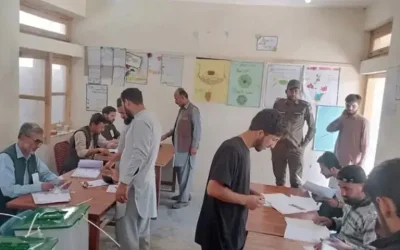




On Friday, February 20, 2026, Federal Planning Minister Ahsan Iqbal released a sobering preliminary report on the 2024–25 Household Integrated Economic Survey (HIES). The data reveals that Pakistan’s poverty rate has climbed to a level not seen in 11 years, while income inequality has hit a 27-year peak.
The National Poverty Crisis
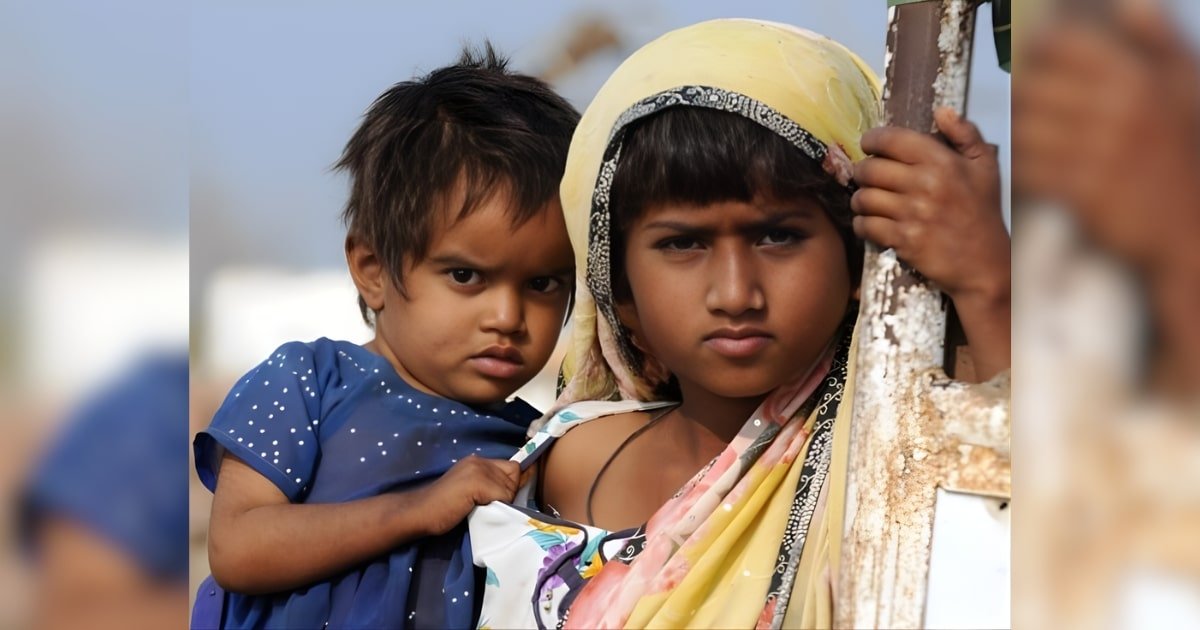
Approximately 70 million people are now living below the official poverty line (expenditure of less than Rs. 8,484 per month).
- 11-Year High: The national poverty rate reached 28.9% (some estimates cite 29%), up from 21.9% in 2018–19. This is the highest level since 2014.
- Reversal of Progress: For the first time in over a decade, the consistent downward trend in poverty has reversed, effectively wiping out the progress made between 2005 and 2018.
- Unemployment: The survey also confirms a 21-year high unemployment rate of 7.1%.
Households in Pakistan have basically gotten considerably poorer over the last ten years — after adjusting household income for PKR depreciation. Average monthly income is around US$290 in 24-25, reducing from US$345 in 15-16 pic.twitter.com/f8bg4fAWAu
— Ammar Khan (@rogueonomist) January 3, 2026
Income Inequality: A 27-Year Peak
The gap between the rich and the poor has widened to its most extreme point since the late 1990s.
- Inequality Index: The Gini coefficient (a measure of inequality) jumped to 32.7, the highest since 1998 (31.1).
- Elite Capture: According to supplemental reports, the richest 10% of Pakistanis now control 42% of the national income, while the bottom 50% share just 19%.
Provincial & Regional Breakdown
The surge in poverty has disproportionately affected rural areas and the already vulnerable provinces of Balochistan and KP.
| Region | Poverty Rate (2019) | Poverty Rate (2025) | Surge Detail |
| National | 21.9% | 28.9% | 32% increase in 6 years |
| Rural | 28.2% | 36.2% | Deepening agrarian crisis |
| Urban | 11.0% | 17.4% | Inflation hitting city workers |
| Punjab | 16.5% | 23.3% | 41% surge in 7 years |
| Sindh | 24.5% | 32.6% | One-third increase |
| Khyber-Pakhtunkhwa | 28.7% | 35.3% | Security and flood impacts |
| Balochistan | 42.0% | 47.0% | Nearly 1 in 2 people in poverty |
Root Causes: Why is this happening?
Minister Ahsan Iqbal attributed the “real income compression” to several overlapping factors:
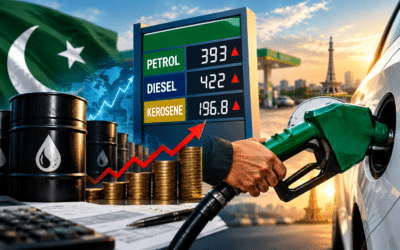
- IMF Stabilization: Withdrawal of energy subsidies, currency devaluation, and higher indirect taxes required by the IMF program.
- Inflation vs. Income: Real monthly household income dropped from Rs. 35,454 (2019) to Rs. 31,127 (2025)—a 12% decrease in purchasing power.
- Natural Disasters: The “super floods” of 2022 and 2024 devastated the agricultural heartland.
- Low-Quality Growth: Economic growth has been “output-driven” rather than “employment-intensive,” meaning wealth is being created but jobs are not.
The Government’s Path Forward
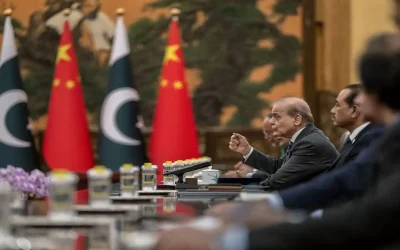
While admitting that cash handouts (BISP) are “not a permanent solution,” the Planning Minister emphasized that the current stabilization phase is necessary to build a foundation for future growth. He noted that the government has “policy space” to spur growth specifically in the IT and Agriculture sectors to reverse these trends.
You May Also Like: PSX Suffers Historic Single-Day Crash, Market Meltdown
Check out our latest video: