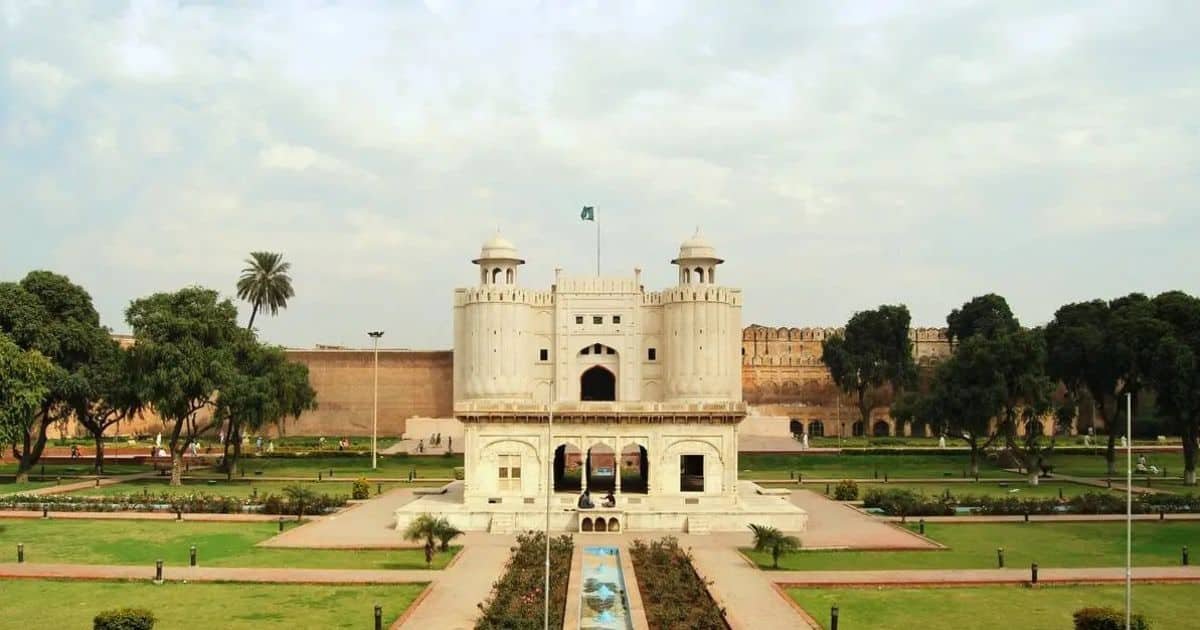




The ongoing, painstaking work to secure Pakistan’s most magnificent Mughal sites, the Lahore Fort and Shalamar Gardens, has just received a major international commendation.
The UNESCO World Heritage Committee (WHC) recently approved the latest State of Conservation Report for the two sites. While the main 47th session of the WHC convened months ago, the formal decision on and public release of the report, as communicated by the Ministry of Foreign Affairs, was finalized on November 14, 2025, marking it as a critical and current institutional development.
This endorsement is more than just a bureaucratic tick; it is an international acknowledgment that Pakistan’s cultural custodians are meeting the rigorous standards required to preserve sites of “Outstanding Universal Value.”
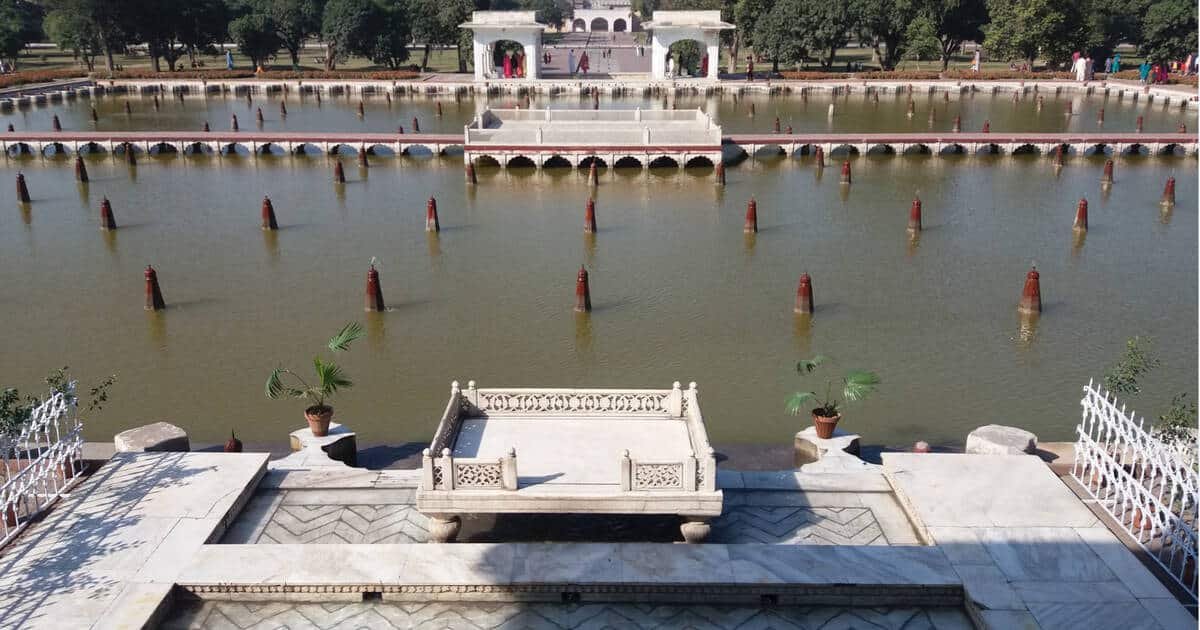
Shalamar Gardens.
Source: UNESCO
From Danger to Detailed Excellence
The two royal complexes, the colossal Lahore Fort, an exemplary of Mughal architectural styles from Akbar to Shah Jahan, and the meticulously engineered, tiered tranquility of the Shalamar Gardens, have a history of facing severe threats, including encroachment and urban pressure, which saw them previously placed on the List of World Heritage in Danger.
The recent approval marks a significant turn. Specifically, the WHC “welcomed the reported high standard of work at the Lahore Fort,” highlighting the painstaking conservation and restoration projects undertaken. This success is a powerful testament to the coordinated efforts between Pakistan’s national and provincial heritage departments, archaeologists, and conservation specialists.
The Path to Permanent Protection
While celebrating the progress, the UNESCO decision also points forward, underscoring the ongoing responsibility of permanent guardianship. The Committee requested further attention to several key areas. Continuing the essential work on restoring the Gardens’ famous complex waterworks and landscapes, which are crucial to their design genius. Proceeding with caution on any proposed adaptive re-use projects within the Fort’s premises, such as converting the Akbari Mahal into a public library, ensuring such changes do not compromise the historical integrity of the monuments.
Ensuring that the management and advisory bodies for the Walled City of Lahore Authority become more inclusive of local community and organizational input.
Pakistan’s Permanent Delegate to UNESCO, Ambassador Mumtaz Zahra Baloch, reaffirmed the nation’s commitment, stating that the Fort and Gardens are not just national assets but “treasured heritage of universal importance.”
This positive UNESCO review is a victory for the preservationists in Pakistan, affirming that the legacy of Mughal brilliance is being secured for future generations and remains a shining cultural landmark for the world.
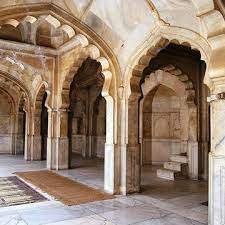
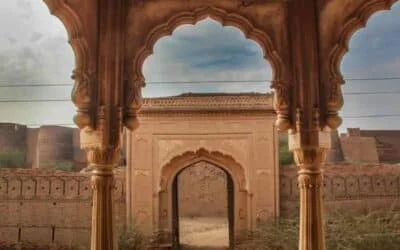
An alcove of the Lahore Fort.
Source: UNESCO
You May Like To Read: Remembring Parveen Shakir: The Fragrance that Still Lingers
Check out our latest video: