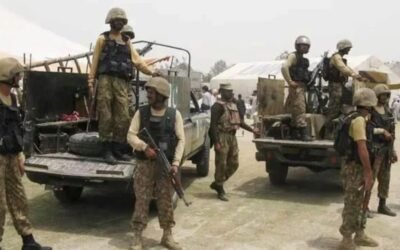
A Window to Our Values
Before we had satellite channels, Netflix, and YouTube, one channel captured the attention of every Pakistani home—PTV, or Pakistan Television Corporation. The dramas aired by PTV, whether in black and white or color, brought magic to our lives and started conversations about family, love, morality, and patriotism.
In the 1970s, 80s, and 90s, the music at 8 PM on PTV signaled families to gather and enjoy meaningful stories. These dramas were not just entertainment; they inspired discussions about relationships, ethics, and politics. The messages and themes in these shows helped shape a national identity based on empathy and unity.
Source: APP
The Beginning of a National Story
PTV was established in 1964 and quickly became popular, especially after the famous drama Khuda Ki Basti aired in 1969. This show bravely tackled issues like poverty, class differences, and corruption, leaving a lasting impact on viewers.

Source: DAWN
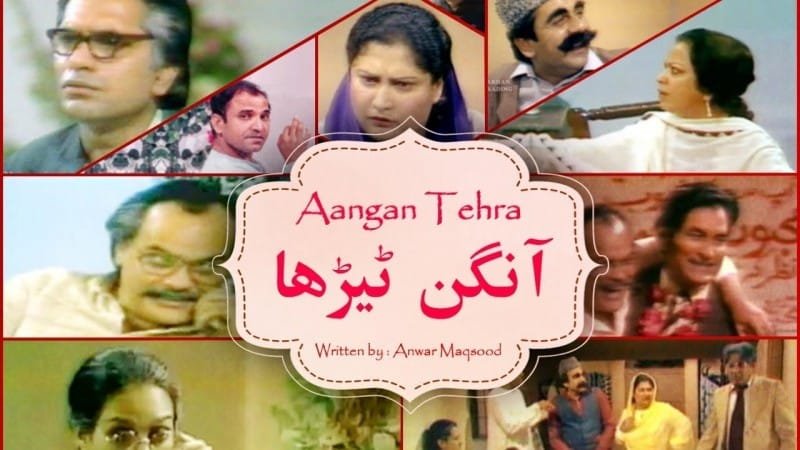
Over the years, dramas like Waris, Ankahi, Tanhaiyan, and Aangan Terha followed, each telling powerful stories that reflected the hopes and concerns of the time. Waris, which aired in 1979, explored topics like feudalism and power, challenging social norms and encouraging essential conversations in society.

Source: DAWN
Source: PakistanPk
Strong Women in the Spotlight
PTV dramas often featured strong female characters who were complex and inspiring. Characters like Zara from Tanhaiyan and Sana from Ankahi represented ambition, independence, and resilience. Their stories sparked essential discussions about women’s rights and education in a thoughtful way.
These dramas showed women as real, strong individuals. For example, Sana in Ankahi was a clever and ambitious young woman, while Zara and her sister in Tanhaiyan faced grief and personal growth. This representation of women by writers like Haseena Moin allowed female viewers to see their own experiences on screen. It introduced male viewers to women as equals and leaders, promoting gender equality in Pakistan.

Source: Style

Source: PakistanPk
Relatable Characters
The characters in PTV dramas felt relatable and down-to-earth. They lived in simple homes and faced everyday issues, making them easy to connect with. Characters like Maa ji, Jibran, and Qabacha became part of our daily conversations and are fondly remembered.

Source: SH
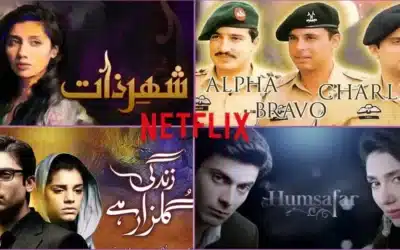
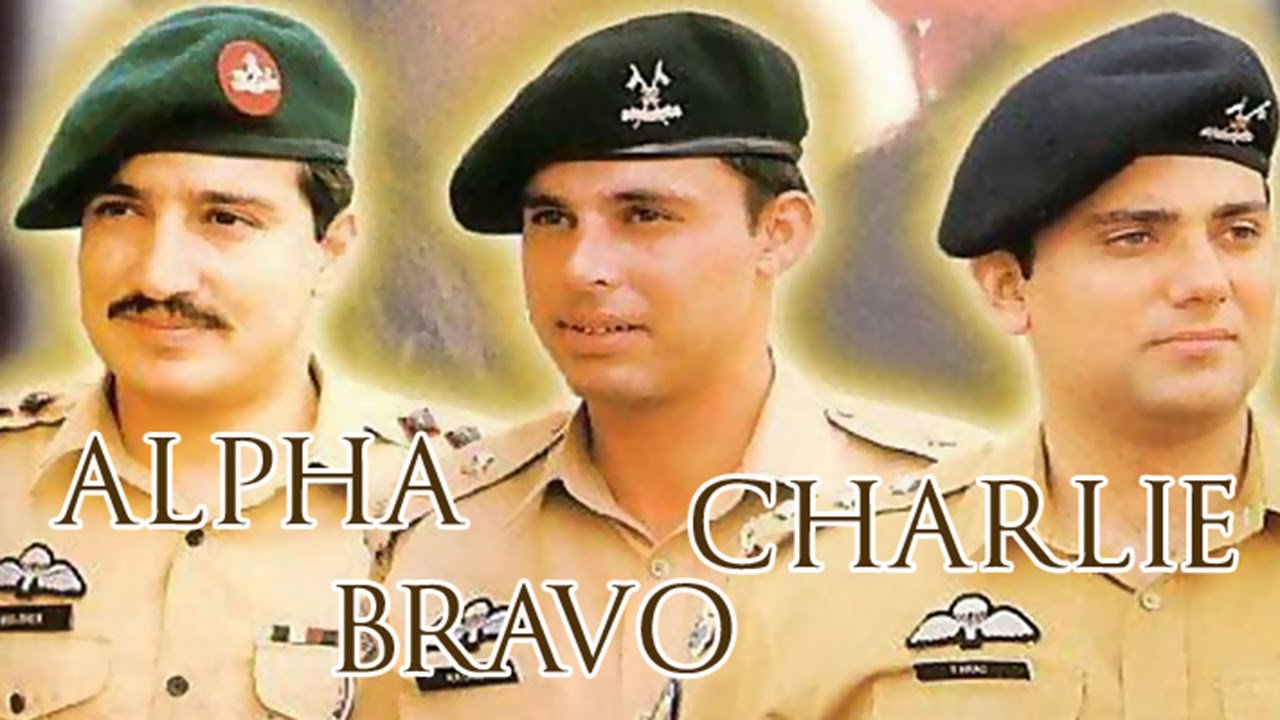
Unlike modern dramas showcasing lavish lifestyles, PTV characters dealt with real-life concerns. For example, Aangan Terha used humor to show the everyday life of a family and highlight cultural gaps in post-colonial Pakistan, while Alpha Bravo Charlie gave insight into the lives of young army officers with a mix of humor and emotional depth.
Source: IMDB
Bringing the Nation Together
When everyone was watching PTV, it became a place for families across Pakistan to come together, creating strong cultural memories that united people, regardless of their backgrounds. PTV helped break down class and language barriers, allowing everyone to feel included in its stories. This shared viewing experience connected different generations, enabling families to discuss the same dramas and reinforcing their bonds.
You May Like To Read: Remembering Amjad Islam Amjad: A Voice That Still Echoes
The Social Impact of PTV Dramas
PTV dramas played a crucial role in Pakistani culture, addressing critical social issues while entertaining viewers. Shows like Waris looked at the landlord system, while Udaan emphasized the importance of female education in rural areas. Dramas like Alpha Bravo Charlie portrayed soldiers as real people with fears and flaws, blending strong emotions, humor, and realistic storytelling.
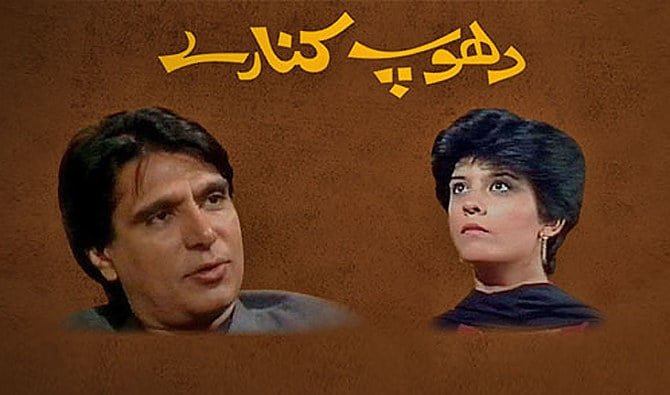
Other series, like Dhoop Kinare, explored themes of professional ethics and emotional healing, tackling issues like corruption, unemployment, and family problems through engaging narratives.
Source: TET
Language, Humor, and the Art of Saying More with Less
The Urdu used in PTV dramas was beautiful and powerful, allowing us to express love and sadness. Memorable quotes like “Kabhi kabhi kuch jeetne ke liye kuch harna padta hai” have become common phrases that people use in both funny and profound ways.
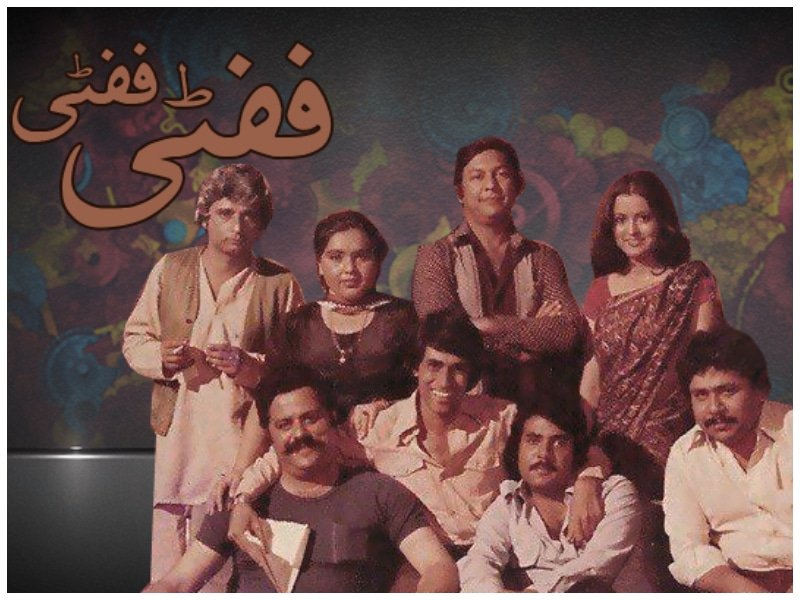
These dramas cleverly mixed humor with satire, making fun of bureaucracy and social issues. Shows like Aangan Terha and Fifty Fifty are great examples. Writers such as Ashfaq Ahmed, Bano Qudsia, Anwar Maqsood, and Haseena Moin created memorable dialogues that felt real and meaningful.
The sketches in Fifty Fifty tackled politics and class issues with witty humor, showcasing a cultural sensitivity that still resonates today.
Source: SH
A Pause, and the Road Ahead
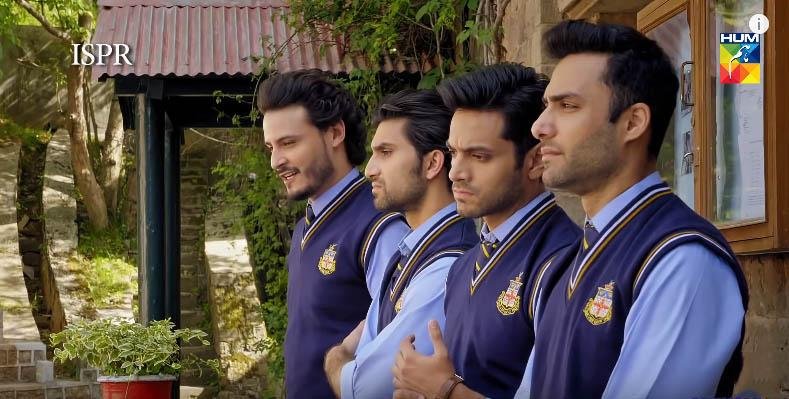
The golden age of PTV dramas has waned with the rise of streaming services and private channels, which often produce longer, repetitive dramas of lower quality. However, the spirit of earlier dramas lives on in modern shows like Suno Chanda and Ehd-e-Wafa, reflecting PTV’s legacy.
Source: Youlin
Since the early 2000s, private channels and digital platforms have taken over PTV’s influence, but the deep storytelling of PTV continues to inspire newer shows like Humsafar and Raqeeb Se. Interest in PTV’s classic dramas has grown, especially on YouTube, where new audiences can discover beloved shows like Dhoop Kinare and Tanhaiyan. PTV’s essence still shines through.
You May Like To Read: Online Aalim Culture: Is Tech Giving Rise to a New Kind of Clergy?
Conclusion: A Nation’s Mirror in Monochrome and Colour
PTV dramas were more than just entertainment; they shaped our humor, values, and imagination, helping us understand our identity. The familiar PTV tune pulls at our emotions, reminding us of its role in Pakistan’s culture. These dramas reflected society, brought people together, and taught valuable lessons, nurturing a generation that could think, feel, and dream. In today’s world filled with content, it’s important to remember the shared humanity that made these dramas unforgettable.