There are writers whose words mark time. And then there are those rare voices that transcend it—whose expressions are so deeply rooted in the soil of their nation, yet so universal in appeal, that they continue to speak to us long after the pen has fallen silent. Amjad Islam Amjad was one such voice.
Today, on what would have been his 81st birthday, we remember not just a man, but a movement—a literary force who shaped how a nation expressed love, loss, justice, memory, and belonging. His death on February 10, 2023, left an aching void in Pakistan’s cultural landscape. But like all great artists, he left behind a legacy that cannot be buried.
A Craftsman of the Urdu Word
Born in Lahore in 1944, Amjad was a son of the city that cradled Urdu’s finest traditions. But he did not inherit those traditions passively—he redefined them. From the classrooms of Islamia College to the stages of mushairas and the screens of Pakistan Television, his journey was one of consistent evolution. A poet by passion, a dramatist by destiny, and an educator by commitment—he was, in the truest sense, a servant of the Urdu language.
It’s difficult to box Amjad Islam Amjad into a single genre. He wrote nazms that read like quiet revolutions—poems that questioned injustice and celebrated beauty without resorting to grandiosity. His words were tender but never weak, political without being partisan. His style made literature accessible. He didn’t just speak to the reader; he sat beside them, sharing their grief and joy in the language they knew best.
You May Like To Read: The Cultural Legacy of Pakistani Tea Houses
The Playwright Who Held Up a Mirror
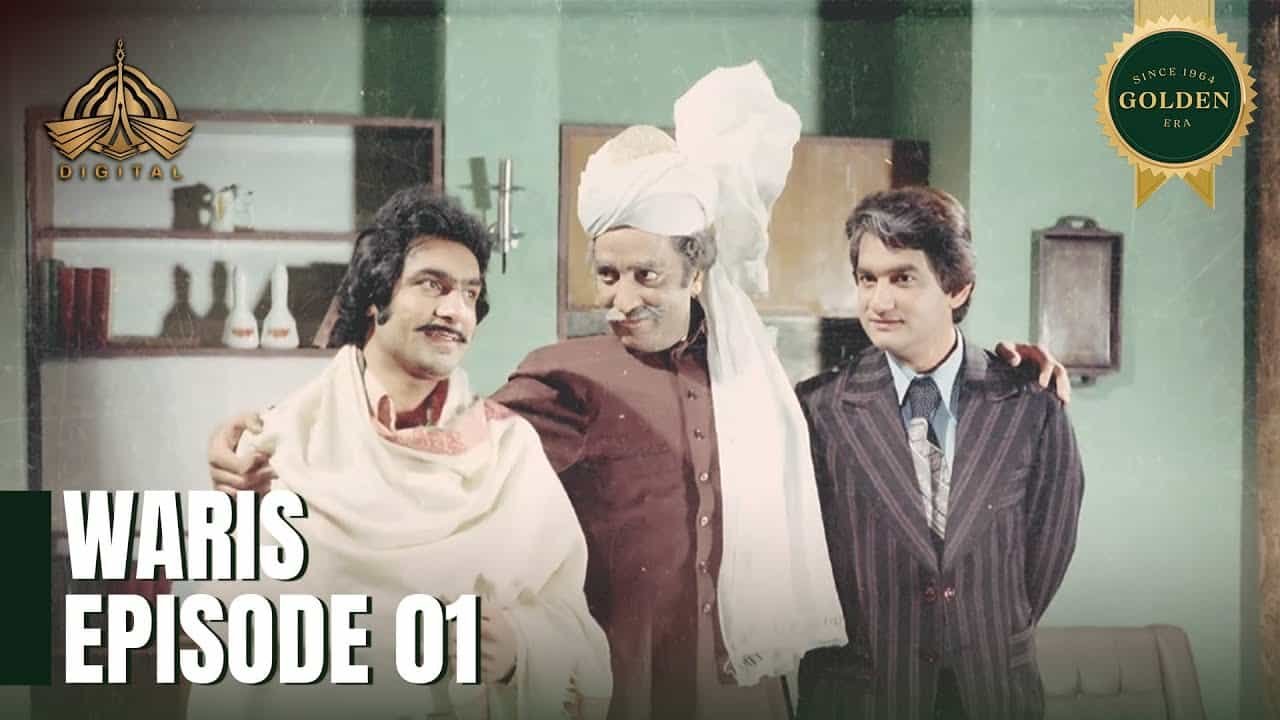
But it was television that made Amjad a household name. In an era when dramas were more than just content—they were commentary—Amjad Islam Amjad’s scripts broke new ground. His most celebrated work, Waris (1979), remains unmatched in its depth and daring. Set against the backdrop of feudal Punjab, it unpacked generational power dynamics, class struggles, and moral dilemmas with a grace and complexity that today’s serials can rarely aspire to.
That Waris was later translated into Chinese is not just a footnote; it is a reminder of how deeply his stories resonated across cultures. He wasn’t just writing dramas—he was documenting a nation in flux.
And yet, he didn’t stop there. With Dehleez, Samandar, and Waqt, Amjad continued to challenge societal norms, giving viewers stories that didn’t just entertain but made them think. In his hands, the script became a scalpel—cutting through denial, exposing wounds, and urging reflection.
Beyond the Screen and the Page
Amjad’s influence extended far beyond the living room television or the bookshelf. As a lyricist, he gave voice to cinema. His song “Mann Ki Lagan” in the Bollywood film Paap launched the career of Rahat Fateh Ali Khan and demonstrated his lyrical genius to a new generation, across the border.
However, his most consistent engagement with the public was through his column, “Chasham-e-Tamasha,” in the Daily Express. Week after week, he peeled back the layers of society—writing not from a pedestal, but from among the people. Whether it was politics or poetry, Amjad’s commentary was always measured, deeply humane, and rooted in the belief that language has a moral responsibility.
As Director General of the Urdu Science Board, he worked to promote scientific literacy in Urdu—a cause few celebrated writers take up. He believed that language should not be a barrier to knowledge. He was also involved in developing children’s literature, heading the Children’s Library Complex, and nurturing the imaginations of future readers and writers.
Honoring the Man, Not Just the Medals
Amjad Islam Amjad received many honors in his lifetime—Pride of Performance, Sitara-e-Imtiaz, and posthumously, the Hilal-i-Imtiaz. These awards were well-deserved. But if he were alive today, he might have smiled at them modestly and said that the real reward was the connection his words built with his readers and viewers.
That was Amjad’s greatest triumph: he belonged to the people. His mushaira audiences felt like family; his readers, like confidants. In a time when literature often chases form over feeling, Amjad’s work reminded us that sincerity is a style of its own.
You May Like To Read: The Hidden Epidemic: Mental Health Crisis Among Pakistani Youth
A Living Legacy
As we mark his birthday today, we must ask ourselves: what does it mean to remember someone like Amjad Islam Amjad?
It means revisiting Waris and recognizing that the questions he asked in 1979 are still relevant in 2025. It means reading his poems and finding our own heartbreaks and hopes reflected in his lines. It means teaching our children that Urdu is not just a language—it is a lifeline to our identity, and that its preservation requires more than nostalgia; it demands engagement.
Above all, remembering Amjad Islam Amjad means honoring the values he stood for—truth, beauty, empathy, and justice. In a society grappling with noise and division, his words remain a calm and clear voice urging us to look inward, to think deeply, and to speak meaningfully.
A Final Tribute
Amjad Islam Amjad was one of those who lit the nights. His light still burns in our literature, our language, and our collective memory. And on this day, as we remember him, we know that such light does not dim. It only deepens.