


Pakistan’s Cultural Legacy and Tea Houses
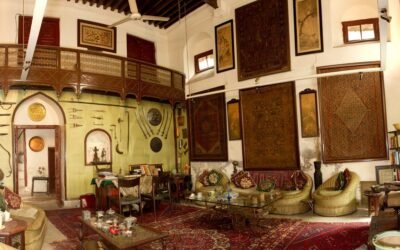
Pakistan’s cultural legacy, deeply rooted in centuries of traditions, extends beyond literary festivals and musical events. It also resides in the quiet corners of Pakistani tea houses. These tea houses, such as the iconic Chaaye Khana in Islamabad and the historic Quetta Tea House, have played a pivotal role in shaping Pakistan’s identity. They have given birth to ideas like ‘Pakistaniat’, a term that encapsulates the unique cultural identity and spirit of Pakistan, and fostered identities such as the ‘Lahori’ or the ‘Peshawari’. They have also provided a platform for creative discussions on literature and politics, thereby enriching Pakistan’s artistic legacy. This cultural richness is manifested in many forms, such as stories shared over warm meals and cups of tea.
Tea (Chai) as the Cultural Connector
Tea, or Chai, served as a powerful cultural unifier during British rule, bridging the gap between different communities. Its introduction not only enriched the local cuisine but also became a symbol of hospitality and unity. A BBC Urdu journalist covers a fascinating insight into how tea became part of the subcontinent. This drink not only connects geographies from Persia to India and Europe, but also connects people’s patriotism and enthusiasm for creative awakenings and poetic insights. The notion of tea in Pakistan transcends class divisions, as any member of the state, regardless of their social status or background, will unite over a cup of tea. It connects people on a cultural level, fostering a sense of unity and shared identity that we all can relate to, devoid of all other aspects of distinction.
Tea houses, with their rich cultural significance, are almost sacred spaces where creative personalities, such as writers and poets, meet to discuss intellectual endeavors and poetic ventures. These discourses not only awaken a nation but also shape its identity, instilling a deep sense of cultural pride and belonging. These creative hubs, such as the Pak Tea House, offer a haven from the chaos and noise of daily life, reviving a sense of self over a cup of tea shared with like-minded individuals. They are akin to the literary cafés of Paris in the 20th century and qehwa khanas of the golden age of Islam, and they deserve our utmost appreciation for their role in fostering cultural identity and pride. The role of tea in these discussions cannot be overstated, as it not only provided a comforting backdrop but also served as a catalyst for the exchange of ideas and the birth of literary and political movements.
Lahore, the Epicentre of Intellect and Poetry
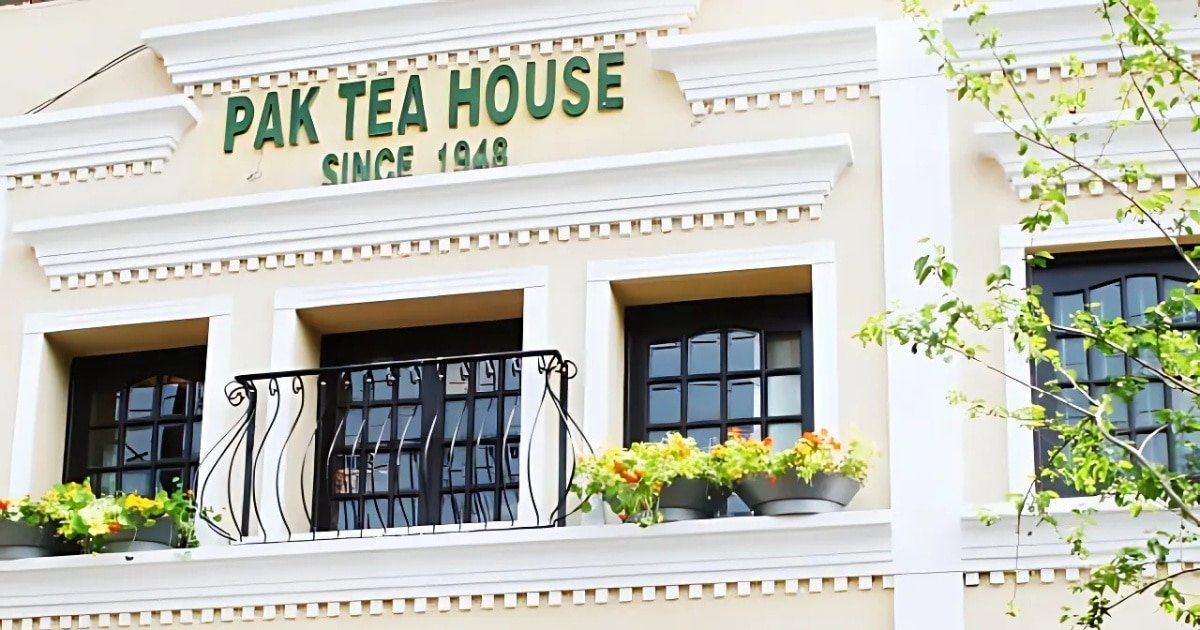
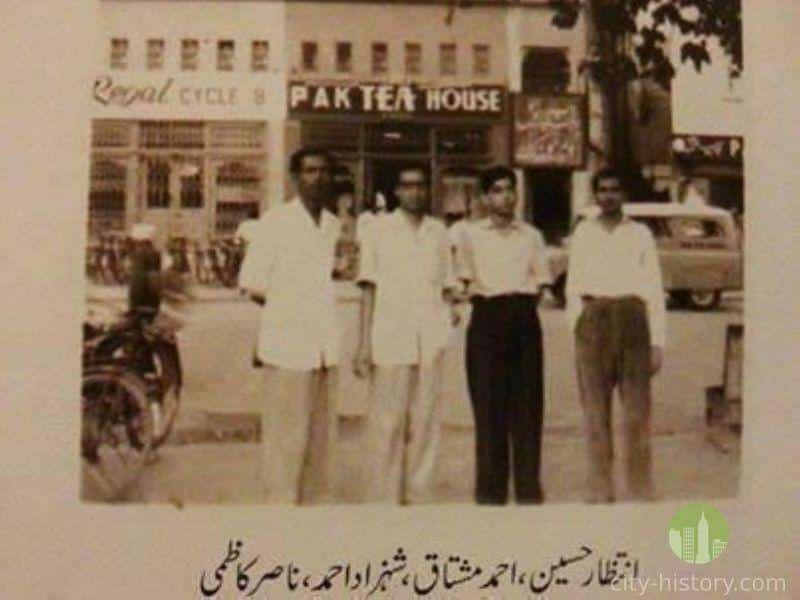
Originally named the India Tea House, it was constructed on Mall Road in Lahore in the 1940s and gained popularity among a diverse group of people from various schools of thought. After Partition, it was named Pak Tea House, under the ownership of Sirajuddin Ahmad, a name that would resonate through the annals of history. The enthusiastic creative activities remained at the same pace, with Lahore becoming the cradle for a literary and poetic revival that led to political reforms in the society. The Pak Tea House, frequented by the ‘Progressive Writers’ Association’, played a pivotal role in shaping the literary and political landscape of the nation, a place of immense historical significance that continues to inspire us today.
You May Like To Read: Online Aalim Culture: Is Tech Giving Rise to a New Kind of Clergy?
It was a rendezvous for literary personalities before and after the Partition, with notable figures such as Saadat Hasan Manto, Ibn-e-Insha, Amrita Pritam, Faiz Ahmad Faiz, and Ahmad Faraz documented as having visited the chai khana for fervent discussions over a cup or two of chai. The tea house played a pivotal role in broadening the horizons of literary landscapes and shaping Pakistan’s national discourse, as revolutionary personalities such as Intizar Hussain, Habib Jalib, and Ashfaq Ahmad encountered events of cultural awakening and reform, all at the table where endless cups of tea were served. Although this tea house had shut down around 2000, it was reopened in 2013, as Shumail Jaffery of BBC News covers a journalistic perspective of the return of the historic place.2 Although the literary ventures around it have lessened over the years, it is still visited by tourists, contemporary poet,s and journalists to keep the intellectual vibe alive.
Islamabad and Karachi’s Urbanised Tea Houses
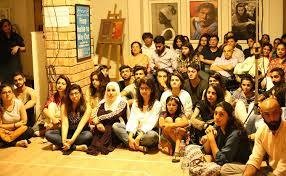
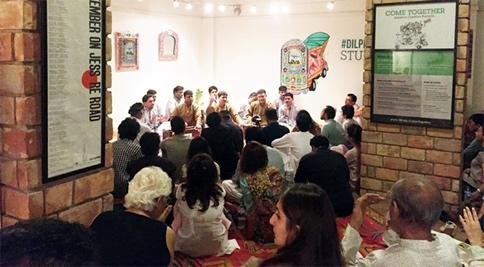
In the contemporary setting, Islamabad and Karachi has been able to urbanize the historical tea houses in the form of Chaye Khana, Burning Giraffe, Café Clifton and T2F(The second floor) that cater art exhibitions, poetry readings, book launches for the young generation 3 of the state to keep them connected to the historical and cultural essence of Pakistan. Moreover, hosting virtual debates, creating cross-cultural connections, and organising literary festivals that are open to international visitors help present the magnificent and artistic side of Pakistan globally.
The Streets of Qissa Khwani and Quetta Chai Stalls
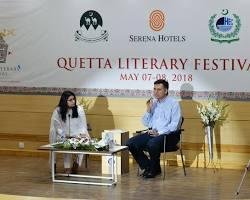
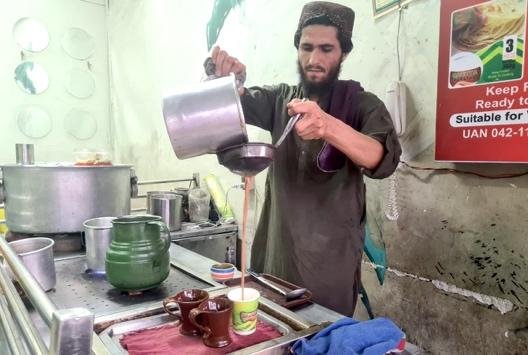
The obsession with chai and its instigation of patriotic indulgences is not limited to these provinces. Quetta Serena Hotel is renowned for hosting oral poetry gatherings and cultural events that showcase the unique beauty and essence of these regions and the state as a whole. Not just these significant buildings, but roadside Quetta chai stalls also become beacons for many discourses that shape the nation’s political future and its inception in the minds of the youth.
You May Like To Read: The TikTok Generation vs. Traditional Values: A Culture War in Pakistan?
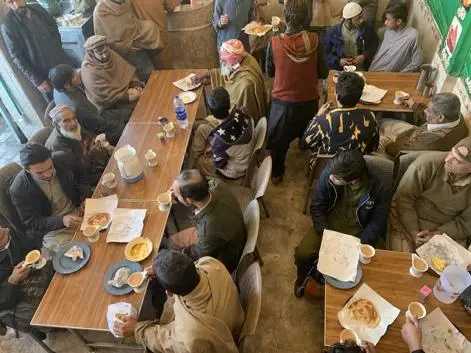
Peshawar’s Qissa Khwani Bazaar and Khyber Tea House served as the academic hubs for teaching Pashto poetry and creating poetic masterpieces that generations could relate to. They provided space for many progressive poetry and ghazal recitals, celebrating the country’s culture and essence.
The Soul of a Nation in a Cup of Tea
To get a glimpse into the soul of the nation, one must comprehend the deep ties of people with the tea they have at 3 in the morning or 7 in the evening, be it in a historic café of Pak Tea House, or the streets of Qissa Khwani Bazaar or the modern tea house setups of Chaye Khana and T2F, that connects the world to our cultual significance.
In an era characterised by rapid information flow and global uniformity, the simple tea house stands as a steadfast space for cultural uniqueness, encouraging individuals not only to enjoy a cup of chai but also to exchange stories, question societal norms, and preserve Pakistan’s cultural heritage—one hot cup at a time.