



ISLAMABAD — The Ministry of Information and Broadcasting on Wednesday categorically dismissed reports suggesting the removal of barbed wire fencing along the Pakistan-Afghanistan border, labeling the claims as “fabricated, dated, and devoid of facts.” The ministry’s fact-checking unit issued a stern denunciation of what it termed a coordinated propaganda campaign by the Afghan Taliban regime and “mouthpieces of Indian intelligence.”
Pakistan Rejects Taliban Claims on Afghan Border Fence Removal as ‘Devoid of Facts’
Pakistan’s Information Ministry rejected claims by the Afghan Taliban and “Indian RAW mouthpieces” about removal of barbed wire along the Pakistan-Afghanistan border, calling them fabricated and… pic.twitter.com/mIrMeSZp7k
— WE News English (@WENewsEnglish) April 1, 2026
Key Highlights
-
The Claim: Pro-Taliban social media accounts circulated video clips allegedly showing Afghan forces dismantling the 2,640 km Durand Line fence.
-
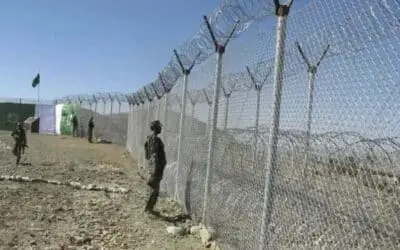
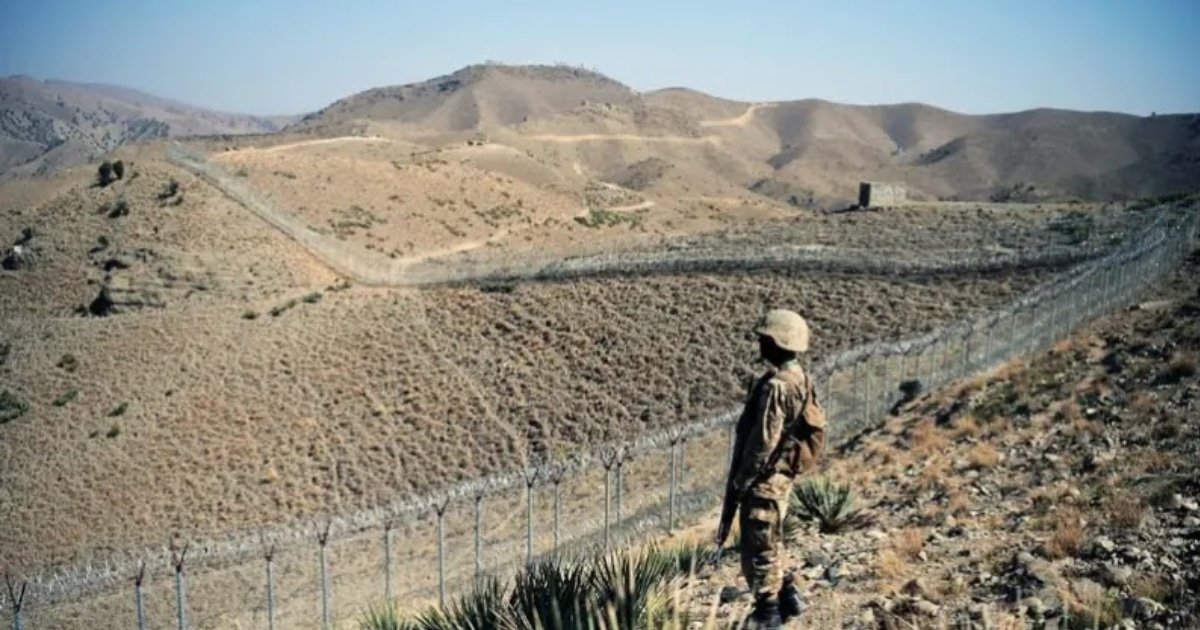
The Rebuttal: The Information Ministry confirmed the fence remains “fully intact” and described the viral videos as “created content” filmed briefly before the perpetrators fled.
-
Operational Context: The ministry linked the surge in Afghan propaganda to the “heavy losses” sustained by the Taliban during Pakistan’s ongoing Operation Ghazab lil-Haq.
-
Security Stance: Official reports indicate that any attempt to sabotage the border infrastructure is met with a “disproportionate response” by Pakistani law enforcement.
Propaganda vs. Reality on the Durand Line
The controversy erupted after an X account titled Afghanistan Defence claimed that operations to “completely remove the barbed wire” were progressing rapidly. The Ministry of Information countered this by asserting that the Afghan regime is working “hand in glove with terrorists, smugglers, and criminal mafias” to facilitate illegal infiltration.
The ministry clarified that the shared clips were staged for domestic consumption in Afghanistan to mask tactical failures on the ground. “Such content creation confirms the cowardly nature of these khawarij and Taliban, who live in a make-believe world of deceit,” the ministry stated.
Link to Operation Ghazab lil-Haq
The government pointed to the success of recent military operations as the primary reason for the increase in disinformation. According to the ministry:
-
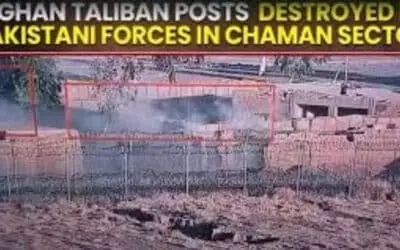
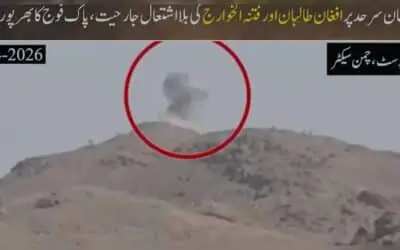
Infrastructure Destruction: More than 250 Afghan border posts have been destroyed by Pakistani forces.
-
Territorial Gains: Dozens of strategic posts have been captured by Pakistan’s law enforcement agencies in “precise and targeted operations.”
-
Retaliatory Narratives: The ministry argued that the Taliban regime is resorting to “a familiar litany of lies” to satisfy a frustrated domestic audience following these military setbacks.
A Pattern of Infiltration
The ministry’s statement echoed a previous briefing by the Director General of Inter-Services Public Relations (ISPR), Lt Gen Ahmed Sharif Chaudhry. The military has consistently maintained that Afghan forces often open fire on Pakistani checkposts not as a territorial dispute, but as “cover fire” to facilitate the infiltration of TTP (Fitna al Khawarij) terrorists into Pakistan.
Despite these challenges, the state maintains that the multi-billion rupee fencing project—designed to regulate movement and curb militancy—remains the backbone of Pakistan’s western border security strategy.
Security forces along the border remain on high alert, with instructions to neutralize any sabotage attempts immediately. The government has urged citizens and international observers to rely on verified official channels rather than “propaganda clips” circulated on social media.
You May Like To Read: A Timeline of Pakistan-Afghanistan Security Diplomacy (2021–2026)
Check out our latest video: