


In diplomacy and global politics, a country’s image can sometimes matter more than its actions. For Pakistan, this gap between action and perception is becoming dangerously wide. Despite reforms and policy initiatives at home, the country continues to be viewed through a narrow lens, one focused on instability, extremism, and economic hardship. This isn’t just a public relations issue; it’s a structural vulnerability with real-world consequences.
Pakistan has no shortage of policy initiatives. From the Green Pakistan Initiative, launched in 2023 to combat deforestation and climate change, to the Special Investment Facilitation Council (SIFC) aimed at attracting foreign investment, the government is taking steps. However, these efforts largely remain unknown outside Pakistan’s borders. Why? Because the country lacks the infrastructure to control its own narrative.
Pakistan’s Narrative Deficit
The issue originates from Pakistan’s institutional structure. Ministries seldom coordinate with one another. Embassies lack sufficient funding and staffing. There is no central agency dedicated to strategic communication, nor a long-term plan to shape Pakistan’s image internationally. Messaging tends to be reactive, often following a crisis that has already influenced global opinion.
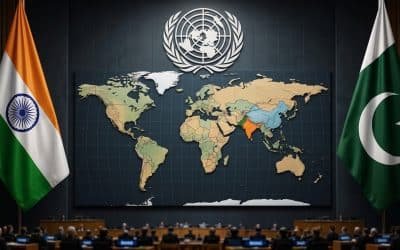
Meanwhile, other countries tell their stories with clarity and purpose. For instance, India uses cultural diplomacy, international media partnerships, and diplomatic events to promote its vision. Its narrative on Kashmir and regional policy is broadcast worldwide and supported by international think tanks, technology companies, and cultural leaders. In contrast, Pakistan’s voice often comes too late, if at all.
This silence has consequences. In foreign capitals, Pakistan is viewed not as a reforming and evolving country, but as one stuck in old cycles of conflict. In investor briefings, security threats are often highlighted, while economic reforms are frequently overlooked. In media coverage, stories of innovation or environmental leadership are drowned out by headlines of political unrest.
At COP16, a Telling Absence
Consider COP16, held in Cancún, Mexico, in December 2010. Indigenous voices from Latin America were front and centre, demanding rights and inclusion. They spoke in their native languages, held press briefings, and shaped the conversation at the summit on biodiversity. Their presence was strategic, organized, and well-resourced.
Pakistan, despite its vulnerability to climate change and its significant reforestation efforts, remained largely invisible. No strong delegation, no media engagement, no coordinated narrative. It was a missed opportunity to shape global opinion, influence funding, and establish credibility as a country committed to environmental resilience.
The Presidency of the Conference of the Parties (COP16) emphasizes the importance of innovation and empowering international partnerships to ensure food security in the face of drought challenges.#COP16Riyadh pic.twitter.com/KVfqvvmxGk
— COP16 Riyadh (@Cop16Riyadh) July 3, 2025
Media Narratives vs. Reality
Global media significantly influence perceptions. In Pakistan’s case, it mainly emphasizes the country’s economic crisis, political deadlock, or terrorist attacks. According to a 2024 analysis by Media Matters International, over 72% of global English-language headlines about Pakistan focus on conflict or instability.
That focus obscures the fundamental changes happening: expansion of digital governance, growth in fintech, increased remittances from the diaspora, and economic cooperation through the China-Pakistan Economic Corridor (CPEC). These developments exist, but Pakistan isn’t the one telling their stories. Instead, foreign correspondents interpret the country’s successes and failures through their own perspectives.
BREAKING
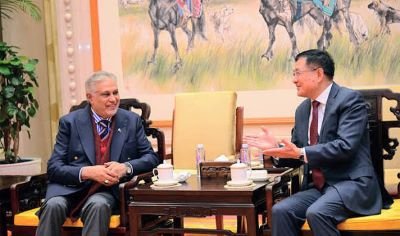
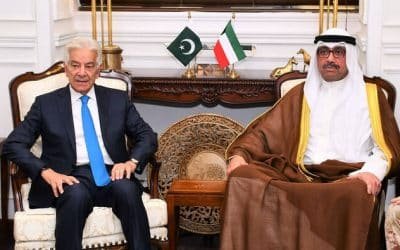
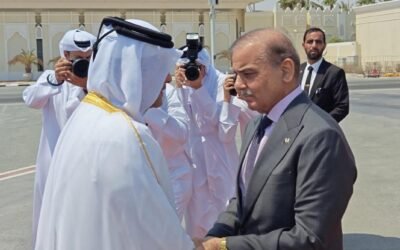
🇵🇰 🇨🇳 Pakistan, China Pledge to Deepen Strategic Cooperation – Dar, Wang Yi Reaffirm All-Weather Partnership – Vow to Advance CPEC and Regional Stability in High-Level Talks
Pakistan’s Deputy Prime Minister / Foreign Minister, Senator Mohammad Ishaq Dar met today with… pic.twitter.com/ZdXcKcLgu9
— Eagle Eye (@zarrar_11PK) July 16, 2025
Internal Barriers to Global Messaging
This failure to tell Pakistan’s story isn’t just about external media. It begins at home.
- Fragmented Communication
Ministries and government departments work in silos with little coordination on messaging. As a result, even when achievements like digitizing land records or reforming the energy sector occur, they aren’t communicated clearly. - Polarised Political Discourse
The toxic nature of political debate in Pakistan leaves little room for consensus on building the national image. Political parties attack each other’s achievements instead of highlighting national success stories. - Language and Representation Gaps
With English being the primary language of diplomacy and global communication, a significant portion of Pakistan’s population remains excluded from shaping its international narrative. Women, youth, and minorities are also underrepresented in foreign missions and policy discussions.
What Can Be Done?
To address this, Pakistan needs to view narrative-building as a strategic statecraft, not merely as media management. That requires investment and institutional change.
- Build a Strategic Communications Unit
A centralized, well-funded body, either under the Foreign Office or the Prime Minister’s Office, should coordinate global messaging across ministries, embassies, and media channels. - Empower Embassies and Diaspora Networks
Pakistani embassies need communication experts, not just bureaucrats. The diaspora, especially in the UK, the US, and the Gulf, can be a powerful storytelling force if tapped effectively. - Learn from Others
After 2022, Ukraine launched a vigorous global campaign utilizing social media, international partnerships, and cultural diplomacy. Saudi Arabia established its Centre for International Communication in 2017 to reshape global perceptions of the Kingdom. These are not just PR stunts—they represent long-term, strategic approaches. - Proactively Highlight Positive Developments
Whether it’s the success of Pakistan’s fintech sector (which processed over $12 billion in digital payments in 2024) or the planting of over 150 million trees under the 10 Billion Tree Tsunami, these achievements need to be communicated widely and consistently. - Promote Internal Dialogue and Inclusion
A more inclusive domestic narrative, one that recognizes and encompasses all ethnic, linguistic, and social groups, will strengthen Pakistan’s voice internationally. No country can tell a convincing story abroad if it cannot speak to itself at home.
Pakistan is not short on stories. It’s short on storytellers. As the world becomes increasingly shaped by narrative, silence is no longer neutral; it’s costly.
In a global economy where perception shapes investment, diplomacy, and public opinion, the ability to tell your story is power. Until Pakistan invests in that power, its reforms will stay unseen, its image vulnerable, and its voice unheard.