


MUZAFFARABAD — The Azad Jammu and Kashmir (AJK) Election Commission on Friday announced the official schedule for the upcoming general elections, locking in July 27, 2026, as the polling day. Voting is scheduled to run from 8:00 AM to 5:00 PM across the region.
Key Highlights
- General elections for the AJK Legislative Assembly will officially take place on July 27.
- Candidates can submit their nomination papers from June 9 through June 19.
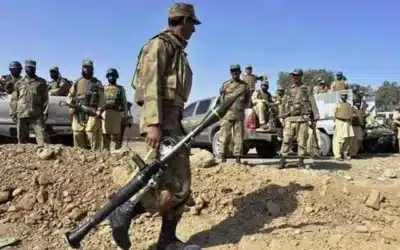
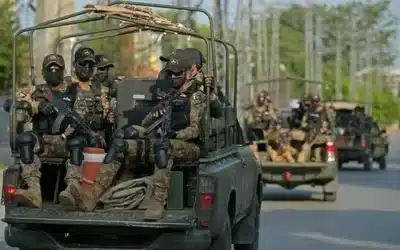
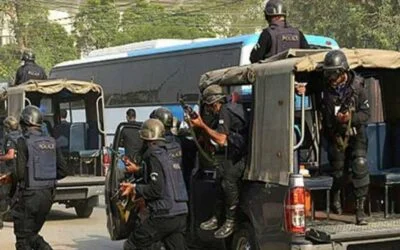
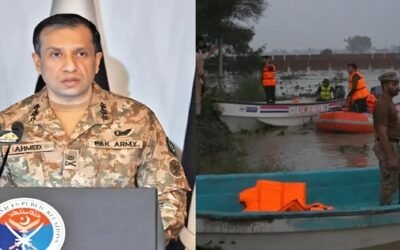
- The military, paramilitary, and civil armed forces will oversee the election process.
- An immediate ban has been placed on official transfers, postings, and new development schemes.
- The total registered electorate has expanded by over half a million voters since the 2021 polls.
The Election Commission has announced that general elections in Azad Jammu and Kashmir will be held on 27 July.
According to the statement, the elections will take place under the supervision of the Pakistan Army to ensure #DialoguePakistan #AJK #General #Elections #Scheduled pic.twitter.com/elQVszEETo
— Dialogue Pakistan (@DialoguePak) June 5, 2026
Phase-Wise Electoral Timeline
According to the official notification issued by the AJK Election Commission, the legal process will commence on June 9, allowing candidates a 10-day window to file nomination papers with designated returning officers.
The complete phase-by-phase pre-poll timeline is detailed below:
| Electoral Stage | Scheduled Dates & Deadlines |
| Filing of Nomination Papers | June 9 to June 19 (until 4:00 PM) |
| Scrutiny & Eligibility Publication | June 20 |
| Filing of Appeals (Acceptance/Rejection) | June 21 to June 24 |
| Hearing of Appeals | June 26 & June 27 (9:00 AM to 4:00 PM) |
| Final Decisions on Appeals | June 28 & June 29 |
| Withdrawal of Nominations | June 30 (before 2:00 PM) |
| Publishing of Contesting Candidates | July 1 |
| Allotment of Electoral Symbols | July 2 |
| Official Polling Day | July 27 (8:00 AM to 5:00 PM) |
Administrative Code of Conduct and Security Measures
Addressing a press conference in Muzaffarabad, Chief Election Commissioner (CEC) retired Justice Ghulam Mustafa Mughal reiterated his commitment to holding free, fair, and credible polls under the strict supervision of security forces. To prevent pre-poll manipulation, the commission enacted an immediate freeze on all government postings, transfers, and the creation of new public positions. Authorities have also prohibited the release of development materials like electricity poles and water pipes, though existing projects under the Annual Development Program will continue uninterrupted.
Justice Mughal defended the integrity of the updated voter lists, noting that collaboration with NADRA successfully rectified initial computerization errors. “I can now say that 99 percent of the electoral rolls are transparent and free from errors,” he stated. Regarding the 12 constituencies reserved for Kashmiri refugees settled in Pakistan, the CEC noted that responsibility has shifted to the Election Commission of Pakistan following the judiciary’s withdrawal from election supervision.
Electorate Growth and Potential Disruptions
The upcoming polls follow the region’s last general elections held in July 2021. Fresh electoral data reveals that the voting population has surged to 3,804,385 registered voters—reflecting an increase of 583,839 individuals over the past five years.
Total Electorate Breakdown: The voter base consists of 2,001,730 men and 1,802,655 women.
Regional Distribution: A total of 3,365,839 voters reside within AJK’s 33 territorial constituencies, while 438,546 are registered across the 12 refugee seats in Pakistan.
Constituency Sizes: LA-7 Bhimber-III stands as the largest constituency with 129,994 voters, whereas LA-30 Muzaffarabad-IV remains the smallest with 68,228.
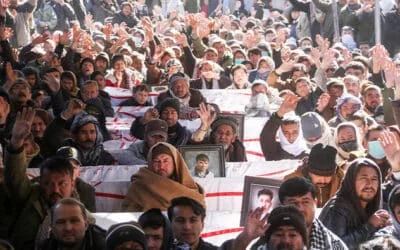
When questioned about how ongoing sit-ins by the Jammu Kashmir Joint Awami Action Committee (JAAC) might affect the process, Justice Mughal conceded that prolonged agitation could disrupt campaign activities. He asserted that the Election Commission retains the full authority to adjust the timeline, adding that “elections will be held when the situation is conducive.”