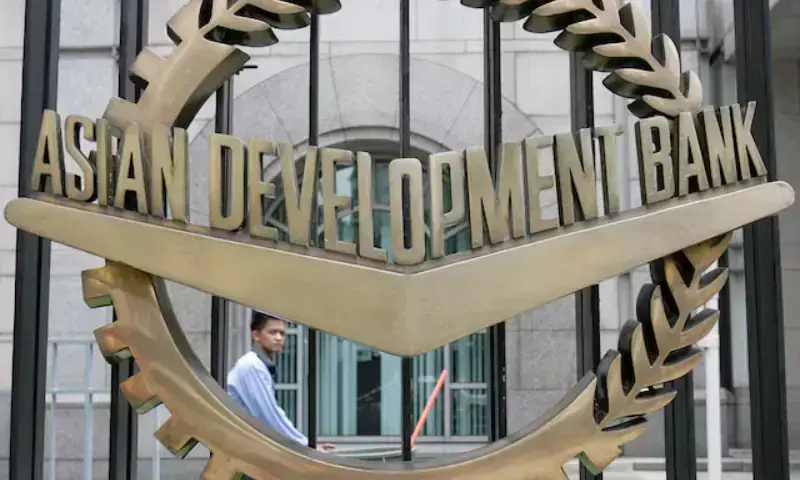





ISLAMABAD — The Asian Development Bank (ADB) has maintained Pakistan’s economic growth forecast at 3.7% for the current fiscal year, signaling domestic economic resilience even as persistent geopolitical headwinds force growth downgrades across the broader Asia-Pacific region.
Released on Thursday in its Asian Development Outlook (ADO) July 2026report, the Manila-based lender also projected Pakistan’s headline inflation at 8.3%. This estimate stands slightly higher than the federal government’s target, reflecting the lingering domestic impact of global commodity shocks.
Inflation is expected to rise in Pakistan, says the Asian Development Bank (ADB).
The ADB also projects Pakistan’s economic growth is likely to remain below the government’s target. #SamaaTV #Pakistan #Inflation #Economy pic.twitter.com/mM5wS3ZGdm
— SAMAA TV (@SAMAATV) July 9, 2026
Key Takeaways
- Steady Outlook: Pakistan’s GDP growth forecast remains unchanged at 3.7%, supported by broad-based expansions across manufacturing, services, and modest gains in agriculture.
- Regional Downgrade: The ADB trimmed its 2026 growth forecast for developing Asia and the Pacific to 4.9% (down from 5.5% in 2025), citing prolonged energy market fractures caused by the Middle East conflict.
- Sticky Inflation:Driven by high oil and fertilizer costs, regional inflation projections rose to 4.3% for the year, while Pakistan’s inflation is expected to settle at 8.3%.
Middle East Shocks Drag Down Regional Neighbors
While Pakistan’s fiscal outlook held firm, the ADB warned that prolonged disruptions to global energy and supply chains are taking a heavier toll on neighboring economies than initially anticipated. High production costs and elevated risk premia have dampened domestic demand across South and Southeast Asia.
Significantly, the bank revised India’s growth forecast down to 6.6% for the year as soaring energy import costs suppress local commercial activity. Conversely, the People’s Republic of China’s growth projection held steady at 4.6%, buffered by resilient infrastructure spending and robust tech exports.
Lingering Risks and Tight Financial Conditions
Despite a diplomatic framework agreement signed in June 2026 aimed at stabilizing global oil markets, ADB Chief Economist Albert Park emphasized that the pace of global market recovery remains highly uncertain.
Beyond fuel, the ADB highlighted that elevated fertilizer prices continue to pose a direct threat to regional agricultural outputs and food security. Coupled with tightening global financial conditions, rising sovereign bond yields, and widening fiscal deficits, the lender urged regional policymakers to maintain a strict balance between stimulating industrial growth and containing aggressive inflationary pressures.