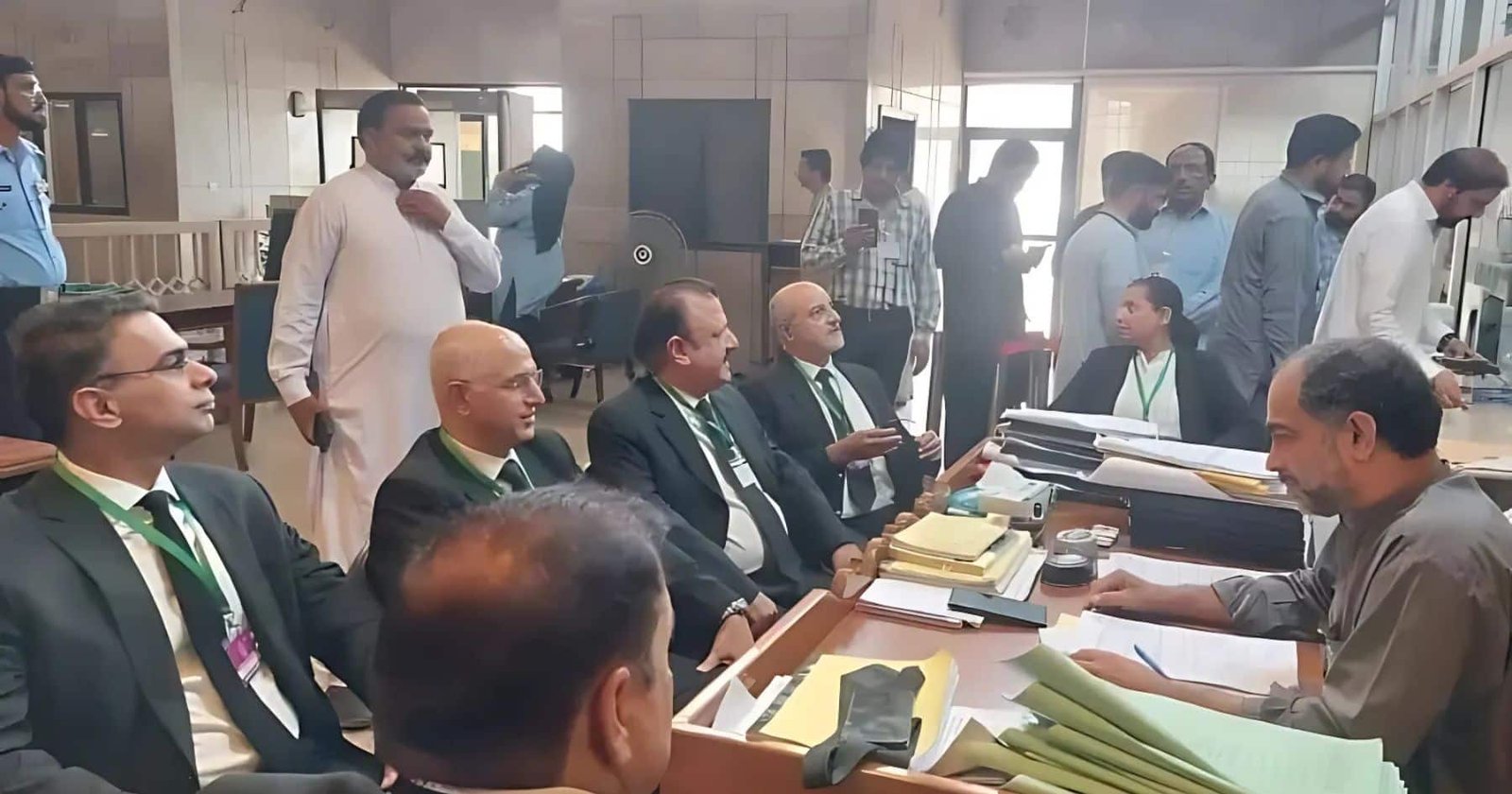





A rare split within the Islamabad High Court (IHC) came to light on Friday when five sitting judges jointly approached the Supreme Court (SC), challenging what they described as the misuse of administrative powers in bench formation, roster preparation, and case transfers.
The petitions were filed under Article 184(3) of the Constitution by Justices Mohsin Akhtar Kayani, Babar Sattar, Tariq Mahmood Jahangiri, Saman Rafat Imtiaz, and Sardar Ejaz Ishaq Khan. Respondents named in the petitions include the IHC, its Chief Justice Sardar Muhammad Sarfraz Dogar, and the Federation.
🚨🚨#BREAKING: Unusual scenes in the #SupremeCourt of #Pakistan, five #Islamabad high court judges #JusticeMohsinAkhtarKayani, #JusticeTariqMehmoodJehangiri, #JusticeBabarSattar, #JusticeSardarEjazIshaqKhan and #JusticeSamanRafatImtiaz reached Supreme Court and every IHC judge… pic.twitter.com/c80zC7xDJ8
— Asad Ali Toor (@AsadAToor) September 19, 2025
Key Points
-
Five IHC judges petition SC, citing concerns over benches, rosters, and transfers.
-
Petitions argue CJ cannot exclude judges from rosters or reassign cases at will.
-
Judges urge SC to reject the “Master of the Roster” doctrine.
-
Administrative committees and new IHC rules also challenged as unlawful.
The petitioners asked the SC to declare that decision-making on benches and rosters must follow rules framed by the full court under Articles 192 and 202 of the Constitution. They further argued that only the Supreme Judicial Council, under Article 209, can restrain a judge from performing judicial duties.
The move underscores deep fissures within the IHC, which have surfaced repeatedly since Justice Dogar’s elevation as chief justice earlier this year.
Legal observers say the petitions now place the Supreme Court at the center of a critical test for judicial independence and internal accountability.
You May Like To Read: