




On Thursday, April 2, 2026, Yemen’s Houthi rebels announced the launch of their fourth phase of missile operations against Israel, specifically targeting high-value sites in the Tel Aviv metropolitan area. The escalating intervention by the Iran-backed group has further complicated the air defense landscape for the Israeli Defense Forces (IDF).
The Attack: “Vital Targets” in Jaffa and Tel Aviv
Houthi military spokesperson Yahya Saree confirmed the strike in a televised video statement:
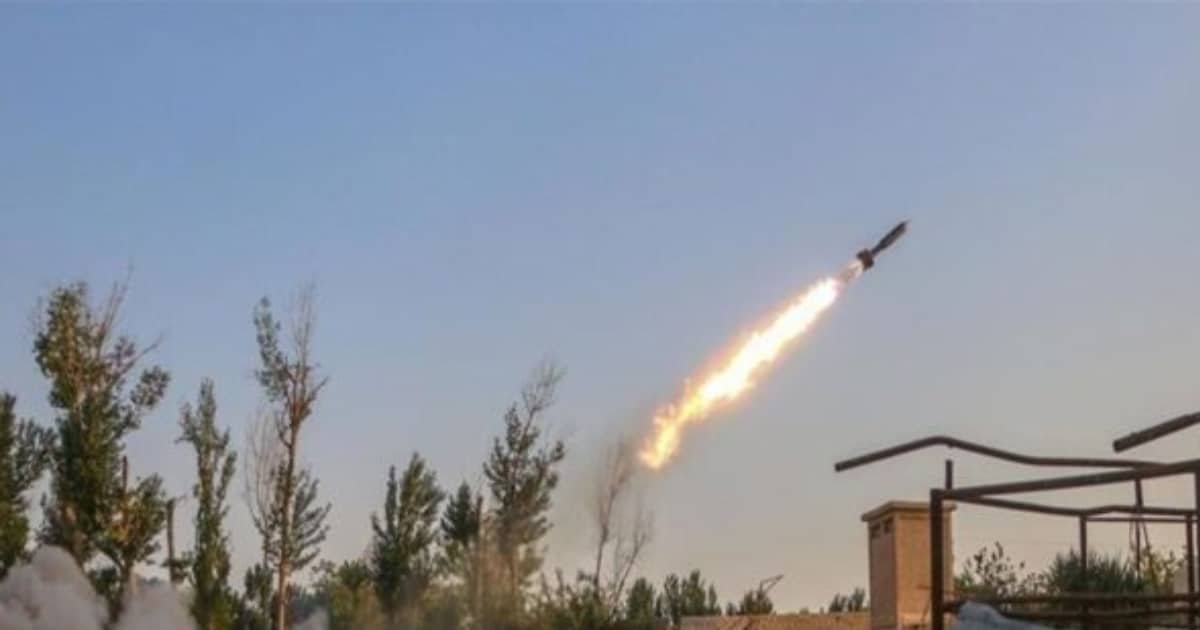
- The Weaponry: A “barrage of ballistic missiles” was launched toward central Israel.
- Coordinated Strike: Saree described the mission as a joint operation conducted alongside “brothers in Iran and Hezbollah,” aimed at “vital and sensitive targets” in the Jaffa/Tel Aviv region.
- The Fourth Phase: This marks the fourth significant Houthi missile wave since the group officially joined the war on March 28, 2026.
IDF Response: Interceptions over Central Israel
The Israeli military confirmed the detection of incoming threats from the south:
- Successful Intercepts: The IDF reported that its air defense systems—likely the Arrow-3 and David’s Sling—intercepted the missiles before they could reach their primary targets.
- Home Front Alert: Sirens blared across Tel Aviv, Jerusalem, and the Dead Sea region throughout Thursday evening. Residents were instructed to remain in protected spaces for several hours.
- Iranian Link: Parallel to the Houthi launch, the IDF also claimed to have foiled a separate wave of missiles originating directly from Iran, which were similarly intercepted over central and southern Israel.
Global Economic & Diplomatic Fallout
- Red Sea Shipping: With the Houthis now an active belligerent, concerns have intensified regarding the security of the Bab el-Mandeb Strait. This follows the existing total closure of the Strait of Hormuz, further choking global energy and trade routes.
- Islamabad Peace Summit: The escalation adds immense pressure to the ongoing mediation efforts in Islamabad. DPM Ishaq Dar is reportedly working on a “de-escalation clause” that would require the Houthis to cease long-range strikes in exchange for a maritime corridor for humanitarian aid.
- Oil Prices: The fourth wave of attacks contributed to Brent Crude maintaining its position above $116/barrel, as markets price in the risk of a total regional blockade.
Military Technical Insight: The Challenge of the South
While the IDF is primarily focused on the northern (Hezbollah) and eastern (Iran) threats, the Houthi ballistic missiles—such as the Toufan (a variant of Iran’s Ghadr)—require the Arrow defense system to engage targets outside the atmosphere. The frequency of these attacks is designed to saturate and deplete Israel’s multi-layered defense stocks.
You May Like To Read: “Prolonged” Energy Crisis, EU Issues Urgent Work-from-Home Advisory
Check out our latest video: