




While Balochistan is no stranger to difficult headlines — from organized crime to the legacy of insurgency — there is another side to the story that often goes unnoticed. Amid the challenges, local communities have shown resilience, stepping up to protect their surroundings and support law enforcement in meaningful ways. Although some incidents remain alarming, these do not overshadow the growing potential within the province. With thoughtful and careful government intervention, this community-led momentum can be strengthened. Harnessing local networks and fostering trust at the grassroots level could be the key to establishing sustainable law and order across the region.
Local action matters—but it’s government’s careful guidance that turns community resolve into real, lasting security.
Balochistan’s Unique Challenges with Crime
Balochistan, Pakistan’s largest but least populated province, faces a complex security landscape. It grapples with various forms of crime, including:
- Insurgency and Terrorism: The province has historically been a site of separatist insurgencies and extremist violence. Militant attacks on security forces and civilians contribute to a climate of fear.
- Organized Crime: Given its long, porous borders with Iran and Afghanistan, Balochistan is a route for smuggling drugs, arms, and human trafficking. Kidnappings for ransom are also a concern.
- Socio-economic Factors: High poverty rates, widespread unemployment, and a lack of development often drive individuals towards criminal activities. Issues like child labor are also prevalent.
- Justice System Gaps: While efforts are being made to strengthen police-prosecution cooperation and modernize police stations, challenges persist in conducting effective investigations and building trust within the justice system.
These factors create a complex environment where traditional law enforcement sometimes struggles to penetrate deeply into local communities. Crime statistics in Balochistan generally show lower reported crime rates compared to other provinces, but this is often linked to less “better outreach and the absence of parallel judicial systems” [4.2], suggesting underreporting or reliance on informal mechanisms.
The Power of Community Action
In response to these challenges, local communities in Balochistan have often taken matters into their own hands. This grassroots approach to crime reduction is built on trust, traditional systems, and collective responsibility.
- Traditional Justice Systems: The “Jirga” system, an assembly of elders and local leaders, plays a significant role in resolving disputes and administering justice in many parts of Balochistan (and Khyber Pakhtunkhwa). Jirgas address various issues, from land disputes and blood feuds to civil and criminal matters. They provide a fast, accessible, and culturally relevant way to settle conflicts, often reducing the need for formal police intervention.
- Community Watch: Citizens form informal groups to patrol their neighborhoods, share information about suspicious activities, and maintain a vigilant presence in their communities. This local intelligence is crucial in areas where formal policing may be scarce or mistrusted.
- Social Cohesion: Strong community bonds and social pressure can act as deterrents. When neighbors know and trust each other, it’s harder for criminals to operate unnoticed. Community members collectively discourage criminal behavior and support victims of crime.
UNODC Pakistan recently reported:
“concluded a 3-day training on effective forensic evidence handling for Balochistan Police & Levies,” – highlighting investment in local capacity-building at the grassroots level.

Source X/@UNODCPakistan
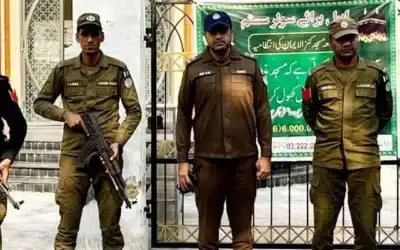
A documentary-style video profiling the Levies, the locally recruited gendarmerie, whose strong community ties enhance neighborhood safety and promote proactive crime prevention.
Strategies for Local Crime Reduction
Local communities employ a mix of traditional and evolving strategies to keep their areas safe:
- Dispute Resolution Councils (DRCs) / Jirgas: These bodies hear cases, gather facts, and propose solutions based on local customs and, increasingly, with an eye towards formal law. Their decisions, when accepted by parties, often prevent minor disputes from escalating into serious crimes. Jirgas emphasize participation and aim for broad acceptance of their verdicts.
- Community Policing Initiatives: While often government-led, successful community policing relies heavily on citizen involvement. The Balochistan police chief has emphasized community policing initiatives, including “Police Khidmat Markaz” (service centers) to improve access to policing services and bridge the trust gap. These centers aim to streamline the complaint-filing process and foster better relations between the police and the public.
- Youth Engagement: Engaging young people in constructive activities, vocational training, and community service helps keep them away from criminal influences. While specific data for Balochistan is hard to find, broader programs for youth development and skill-building can indirectly reduce crime by offering legitimate pathways for earning a living.
- Information Sharing: Local communities are more likely to share information with trusted local leaders or community policing units than with traditional police stations, leading to better intelligence on criminal elements.
- Awareness Campaigns: Community leaders often run awareness campaigns against crime, human trafficking, and other illegal activities, especially for vulnerable groups.
Inspiring Grassroots Success Stories
While often less publicized than large-scale government projects, the impact of community-led efforts in Balochistan is significant:
- Improved Local Safety: In areas where community-police cooperation has increased and local dispute resolution mechanisms are strong, citizens report a greater sense of safety. This happens through speedy response to complaints and better interactions.
- Reduction in Minor Disputes: The Jirga system and other alternative dispute resolution (ADR) mechanisms efficiently handle a large number of minor disputes that would otherwise burden formal courts or escalate into violence. This effectively lowers the overall burden of crime on the formal system. Balochistan enacted its own “Alternative Dispute Resolution Act” in 2022, indicating a formal recognition of such methods.
Balochistan’s grassroots response to crime shows promise; strategic intervention can turn this local strength into lasting stability.
- Increased Public Trust in Justice: Where citizens feel their local structures are effective, public trust in the ability to seek justice increases. The establishment of “Police Khidmat Markaz” in areas like Kuchlak, Quetta, which focuses on accessibility and community engagement, supports this by bringing services closer to the people.
- Protection of Vulnerable Groups: Community engagement initiatives, including specific programs for women and juveniles (e.g., women’s police stations, juvenile facilitation centers), have been launched to protect vulnerable groups.
Why This Matters
The success of community efforts in Balochistan matters deeply:
- Resilience from Within: It shows that even in challenging environments, communities possess inherent resilience and can organize to protect themselves when formal systems are weak or mistrusted.
- Sustainable Solutions: Local, community-driven solutions are often more sustainable and culturally appropriate than top-down approaches, as they are owned by the people they serve.
- Model for Other Regions: Balochistan’s experiences can serve as a valuable model for other parts of Pakistan or similar regions globally, facing complex crime and security challenges, and highlight the power of grassroots action.
- Human Rights: Enhancing community participation in justice and security aims to safeguard the rights of marginalized and vulnerable individuals, a key commitment of the Balochistan government.
Challenges and Sustaining Efforts
Despite these successes, sustaining community-led crime reduction in Balochistan faces hurdles:
- Limited Resources: Community initiatives often lack consistent funding and proper resources.
- Formal-Informal Divide: Integrating traditional justice systems (Jirgas) with formal legal systems remains a challenge, as their rules can sometimes conflict with national laws.
- Security Risks: Community leaders or individuals actively involved in combating crime can become targets for criminal or militant groups.
- Political Interference: Like formal local governments, community initiatives can sometimes face political interference.
- Capacity Building: There’s a continuous need for training local volunteers and elders in modern crime prevention techniques and human rights.
Even in the face of conflict, Balochistan’s communities offer a path forward—if guided with care, they can anchor long-term security.
Conclusion
Despite the persistent challenges in Balochistan, the actions of local communities reveal a hopeful path forward. When citizens take ownership of their security through Jirgas, community watch efforts, and collaboration with local police, they are not just reacting to crime; they are helping reshape their environment. These efforts demonstrate that positive change is possible, even in the face of adversity. If the government intervenes with sensitivity and strategy—by supporting, regulating, and integrating these grassroots initiatives—it can amplify their impact. The result could be a more stable, responsive, and community-driven model for law and order across Balochistan.
References:
- CRSS. (2019, January 8). Balochistan weekly monitors.
- DiVA Portal. (n.d.). Safety perceptions and micro-segregation: Exploring gated- and non-gated-community dynamics in Quetta, Pakistan.
- Fafen. (2011, December). Pakistan crime monitor.
- HRCP. (2024, July 19). State of human rights in Balochistan in 2023.
- UNODC. (2023, November 30). “Police Khidmat Markaz” inaugurated to improve access to policing services in Balochistan.
- UNODC. (2024, April 24). Strengthening justice in Balochistan: Five training sessions concluded for police-prosecution cooperation.
- UNODC. (2024, June 3). Modernizing service delivery at the Smart Police Stations in Balochistan.