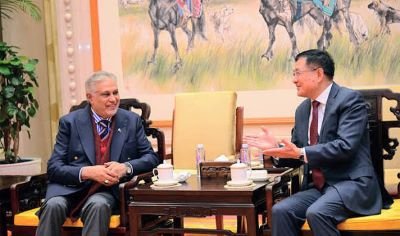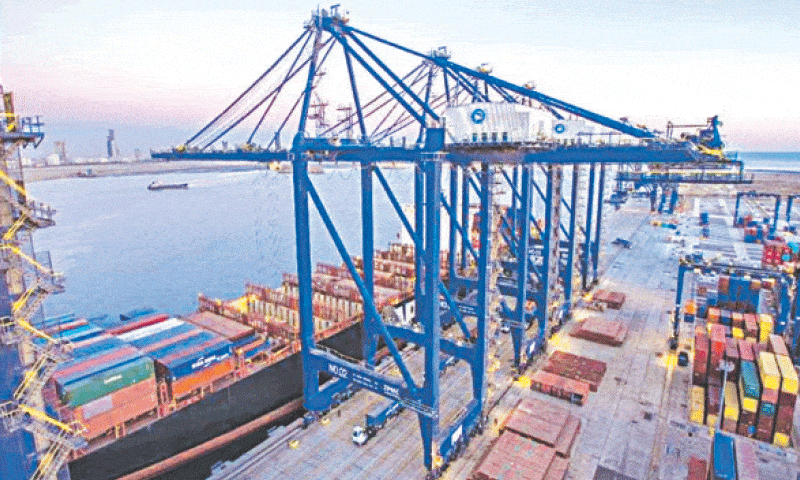





Pakistan and Croatia are poised to leverage their strategic geographic locations to tap into enormous economic potential, marking a significant milestone in bilateral relations. The development came to light on July 9, 2026, during a high-profile, one-day official visit to Islamabad by Croatia’s Minister of Foreign and European Affairs Gordan Grlić Radman. In wide-ranging, delegation-level talks, Deputy Prime Minister and Foreign Minister Ishaq Dar briefed the Croatian dignitary on the extensive connectivity, facilities, and capacity of the Karachi port, laying the groundwork for cooperative infrastructure arrangements between the maritime gateways of both nations.
Key Highlights
- Strategic Gateway: Islamabad and Zagreb initiated talks for collaborative arrangements connecting Pakistani and Croatian seaports to boost global market access.
- Visa Facilitation: Both nations are actively working to expedite the opening of a Croatian visa processing facility in Islamabad to replace the current transit route through Tehran.
- Trade Framework:Pakistan announced active preparatory work for its reapplication to the European Union’s Generalised Scheme of Preferences Plus (GSP+) framework entering into force on January 1, 2027.
- Diplomatic Consultation: The foreign ministries agreed to hold their first round of revitalized bilateral political consultations between late 2026 and early 2027.
🇭🇷🤝🇵🇰 During his official visit to Pakistan, Minister @grlicradman met Deputy Prime Minister and Foreign Minister @MIshaqDar50.
They reaffirmed the good political relations between Croatia and Pakistan, based on friendship and mutual respect, and discussed opportunities to… pic.twitter.com/VxdSDML8BS
— MFA Croatia (MVEP) (@MFA_Croatia) July 9, 2026
Maritime Port Synergy Anchors New Pakistan-Croatia Economic Vision
The bilateral talks focused heavily on establishing robust trade infrastructure, with both sides acknowledging that current trade volumes remain below their actual capacity. Pointing out that connectivity lies at the absolute heart of sustainable development and regional stability, Dar emphasized that Croatia’s six major maritime ports and nine strategic airports could serve as a vital gateway for Pakistani goods entering the European market.
To capitalize on these logistics channels, the two countries agreed to revitalize commercial relations through targeted business-to-business (B2B) exchanges and the future launch of a dedicated B2B trade forum. Radman invited Pakistani companies to explore favorable investment environments in Croatia, emphasizing his country’s specialized expertise in digital IT, pharmaceuticals, health, and humanitarian demining solutions that could support local civil protection and disaster response operations.
Legal Migration Pathways Prioritized to Combat Human Smuggling
A major highlight of the joint press briefing was a comprehensive agreement on labor mobility and the protection of expatriate rights. The two foreign ministers agreed to construct clear legal pathways for skilled Pakistani manpower looking to relocate to Europe. Both diplomats emphasized that by providing safe, orderly, and structured channels for migration, both states can protect the lives of workers while effectively dismantling the illegal financial models of human smuggling networks.
Furthermore, the diplomatic track addressed immediate logistical hurdles for travelers. The early finalization of a local Croatian visa processing facility in Islamabad is expected to ease friction for students, tourists, and businessmen who currently face the inconvenience of traveling to Tehran for visa acquisition.
Regional Security and Treaty Commitments Take Center Stage
Beyond economic cooperation, the discussions ventured into pressing geopolitical challenges. Dar briefed the Croatian delegation on the volatile security matrix in South Asia, specifically highlighting that India has held the Indus Waters Treaty (IWT) in abeyance since the brief four-day military conflict between Pakistan and India in May 2025. The deputy prime minister sought Croatia’s diplomatic support in urging New Delhi to restore the treaty immediately, emphasizing the need to end the weaponisation of water and uphold international law.
The dialogue also touched upon regional counter-terrorism efforts, with Dar reiterating the need for the Afghan administration to prevent the sanctuary of militants—including the Tehreek-i-Taliban Pakistan (TTP) and Baloch Liberation Army (BLA)—from launching cross-border attacks against Pakistani soil.
Meanwhile, Radman highly praised Pakistan’s prominent role in regional peace diplomacy, particularly thanking Islamabad for its successful mediation efforts that produced the historic Islamabad MoU following the recent United States-Iran conflict. The visiting minister concluded his remarks by inviting female Pakistani police officers to attend Croatia’s UN-certified pre-deployment training for peacekeeping missions, reinforcing a shared commitment to global stability.