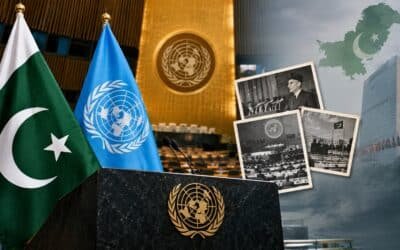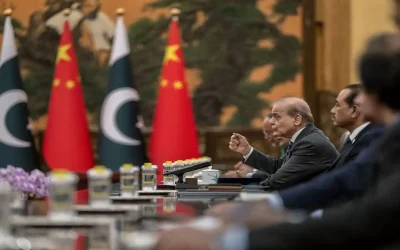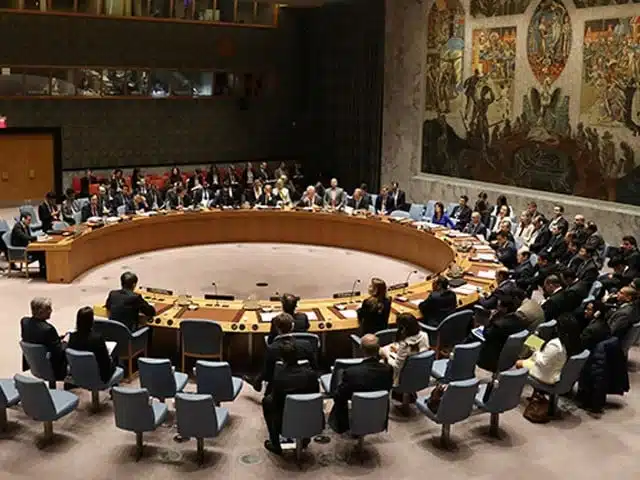





ISLAMABAD / NEW YORK — Pakistan and China jointly convened an informal Arria-formula meeting of the United Nations Security Council (UNSC) on Tuesday, focused on securing the full, effective, and non-selective implementation of council resolutions.
Briefings from UN Assistant Secretary-General Khaled Khiari, Executive Director of Security Council Report Shamala Kandiah, and Richard Gowan of the International Crisis Group highlighted that implementation is critical to the UNSC’s credibility and global authority.
🔊PR No.1️⃣5️⃣5️⃣/2️⃣0️⃣2️⃣6️⃣
China and Pakistan Organise UN Security Council Arria-Formula Meeting on Bridging the Implementation Gap: Security Council Resolutions and the Maintenance of International Peace and Security
🔗⬇️ pic.twitter.com/UoXviiXw7h
— Ministry of Foreign Affairs – Pakistan (@ForeignOfficePk) June 25, 2026
Key Proposals for Structural Reform
To translate diplomatic decisions into active results on the ground, Pakistan presented several practical measures during the session:
Annual Reviews: Establishing a systematic annual evaluation of unimplemented and partially implemented resolutions.
Clearer Pathways: Outlining defined implementation processes alongside sustained reporting mechanisms.
Peace Operation Alignment: Ensuring a tighter synchronization of UN peace operations and regional security arrangements with council decisions.
“Selective or prolonged non-implementation weakens the Council’s authority, prolongs unresolved disputes, and deepens human suffering—including in situations such as Indian Illegally Occupied Jammu and Kashmir (IIOJK) and Palestine,” stated Ambassador Asim Iftikhar Ahmad, Pakistan’s Permanent Representative to the UN, highlighting that resolutions constitute binding legal obligations under the UN Charter.