




Pakistan Air Force Outlines Dual-Track Partnership Strategy With China and United States
The Pakistan Air Force (PAF) has laid out a strategy built on parallel defense partnerships with China and the United States, according to promotional material released by the service outlining how each relationship contributes to its long-term capability goals. The material, branded with the PAF crest, frames the approach as complementary rather than competing: access to advanced Chinese platforms and co-production on one side, and exposure to Western training, doctrine and interoperability standards on the other. The stated aim, in the PAF’s own words, is a “stronger, self-reliant” air force built on two partnerships working toward one goal.
Key Highlights
- PAF material outlines four pillars each for its partnerships with China and the United States
- China partnership centers on advanced platforms, technology transfer, tailored training and strategic synergy
- US partnership centers on professional training, technological access, doctrinal knowledge and interoperability
- Broader goals listed include comprehensive air power, skilled human resources, operational edge and future readiness
- Material closes with the PAF’s standing motto: “Vigilant. Capable. Committed to the Nation.”
What the China Partnership Covers
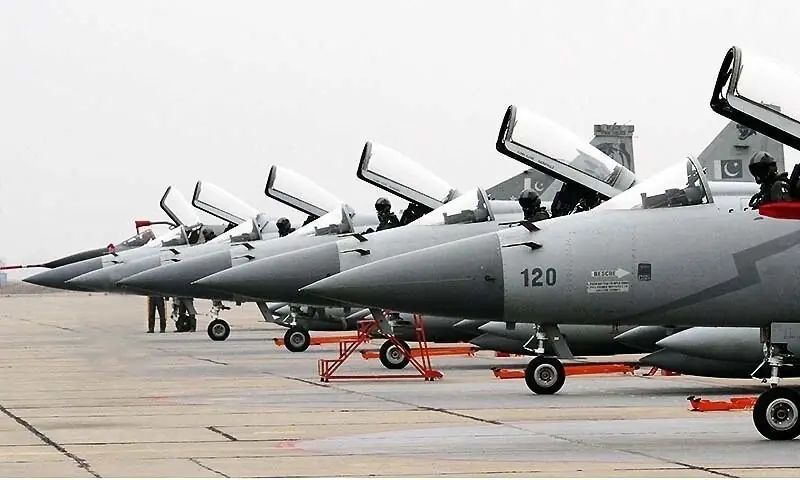
According to the material, cooperation with China gives the PAF access to state-of-the-art aircraft and systems, alongside collaboration in co-development and local production — a reference to the kind of joint manufacturing arrangements that have underpinned platforms like the JF-17 program in past years. The material also points to specialized training programs designed for modern warfare, and describes the relationship in terms of long-term defense cooperation and strategic alignment, positioning China as a partner in building indigenous capability rather than a supplier of finished platforms alone.
What the US Partnership Covers
On the American side, the material emphasizes access to what it calls world-class training institutions and exercises, along with exposure to advanced avionics and other current technologies. It also cites the value of absorbing established operational doctrines and best practices developed within the US military system, and highlights interoperability, built through joint exercises and cooperation, as a core benefit of maintaining the relationship.
A Strategy Framed Around Balance
Taken together, the material presents the two partnerships as addressing different needs: hardware and co-production depth from China, and training, doctrine, and interoperability standards from the United States. Four broader themes tie the framework together — comprehensive air power across multi-domain operations, a highly trained personnel base, operational flexibility for a changing security environment, and long-term readiness for future challenges.
Pakistan’s air force has for decades balanced relationships with multiple external partners, reflecting a wider pattern in the country’s defense procurement and training arrangements. The framing offered in this material presents that balancing act as a deliberate strategy rather than a matter of circumstance, though independent verification of the partnership terms, scope or current status would require official PAF or government statements, which were not part of the material reviewed here.