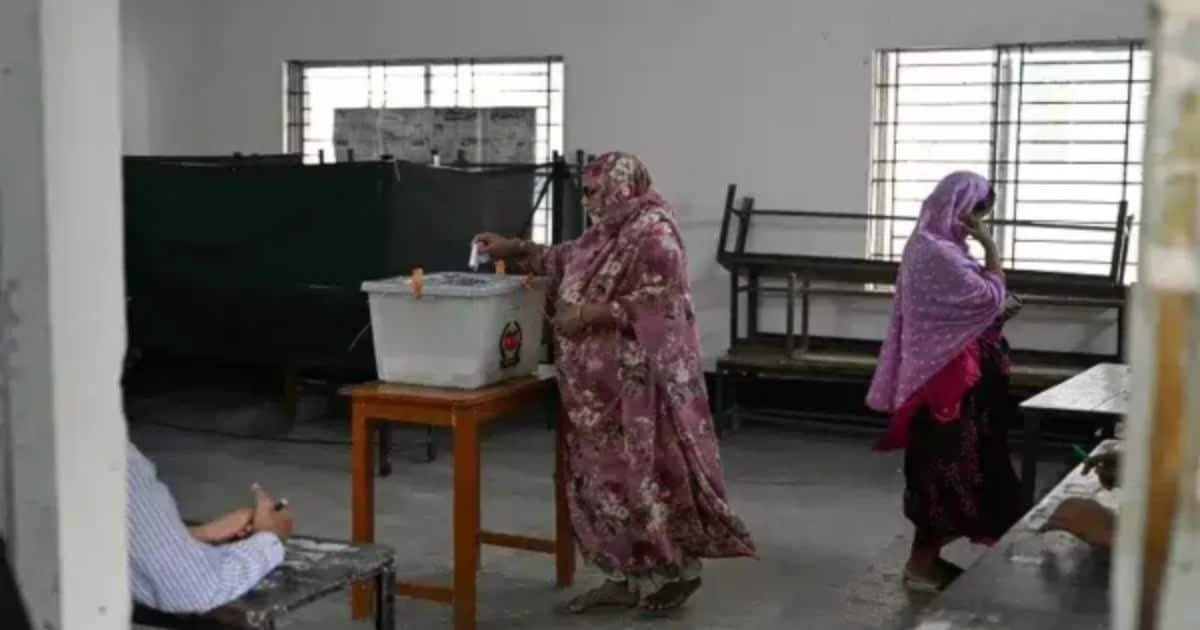





On Thursday, February 12, 2026, Bangladesh held its 13th general election and a simultaneous constitutional referendum, marking the first national vote since the 2024 "Gen Z Revolution" that ousted Sheikh Hasina.
The election is a historic test for the interim government led by Nobel laureate Muhammad Yunus, following a period of institutional collapse and the suspension of the long-ruling Awami League.
The Electorate: Key Statistics
With a median age of approximately 26.3 years, the 2026 election is defined by a massive, young, and often first-time voting population.
| Category | Concrete Numbers |
| Total Registered Voters | 127,711,793 |
| Male Voters | 64,825,361 |
| Female Voters | 62,885,200 |
| Third Gender Voters | 1,232 |
| First-Time Voters | ~5,000,000 |
| Postal/Expatriate Voters | 1,533,684 (via Postal Vote BD app) |
| Religious Demographics | ~90% Muslim, ~8% Hindu, 2% others |
You May Like To Read: KP Police Sacrifices Ignored by ‘Particular Mindset’, CM Afridi
The Candidates and Alliances
The 2026 race is primarily a bipolar contest between two major blocs, following the administrative ban on the Awami League.
- Total Candidates: 2,028 (contesting 299 seats).
- Female Representation: Only 83 female candidates are running (approx. 4% of the total).
- The BNP Bloc: Led by Tarique Rahman, the Bangladesh Nationalist Party has fielded the highest number of candidates (291).
- The 11-Party Alliance: Led by Shafiqur Rahman of the Jamaat-e-Islami, this alliance includes the National Citizen Party (NCP), a centrist party formed by the student leaders of the 2024 uprising.
Constitutional Referendum: The "July Charter"
Alongside the parliamentary vote, citizens are voting "Yes" or "No" on a package of over 80 reforms. If passed, the new parliament must implement these within 180 working days. Key proposals include:
- Establishing a neutral interim government for all future election periods.
- Imposing a two-term limit for the Prime Minister.
- Restructuring Parliament into a bicameral legislature.
- Strengthening judicial independence and increasing women's political quotas.
Security and Oversight
To ensure a fair process after nearly 17 years without a credible election, the interim government has authorized a massive security presence:
- 958,000 total security personnel (including 100,000 soldiers from the Army, Navy, and Air Force).
- 394 international observers and 197 foreign journalists, more than double the number present in the 2024 election.
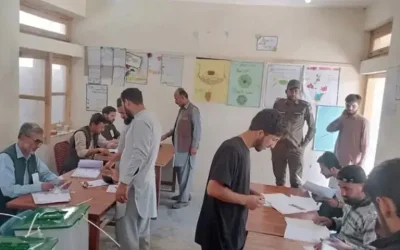
Polling closed at 4:30 PM local time.
You May Also Like: