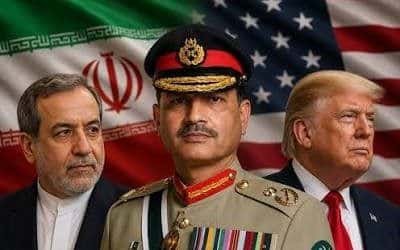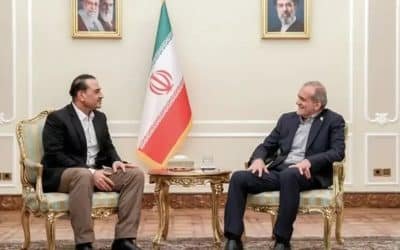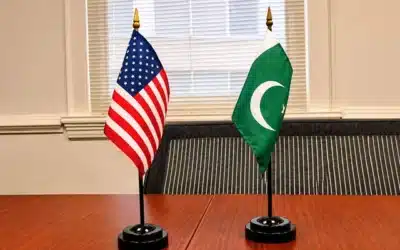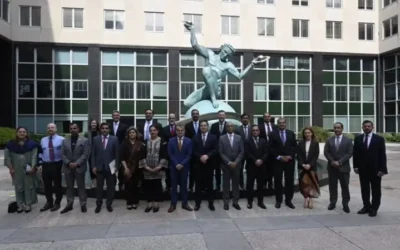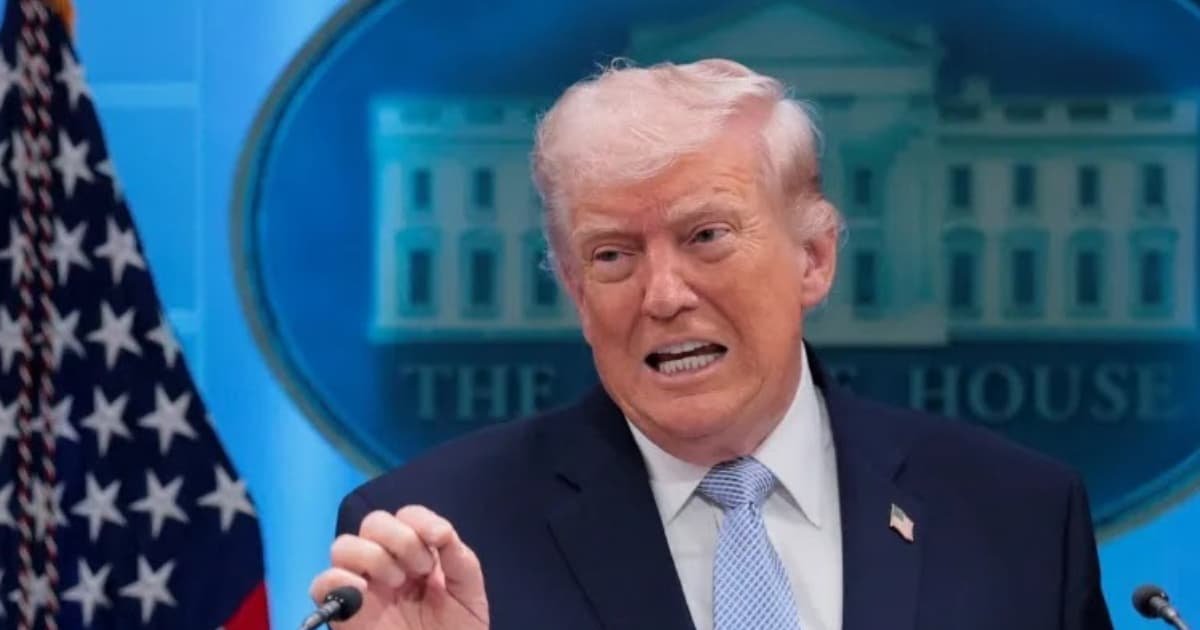





WASHINGTON (April 14, 2026) — US President Donald Trump announced on Tuesday that negotiations with Iran could restart within the next 48 hours, stating that his administration is “more inclined” to return to Pakistan for the second round. The President’s remarks come as international mediators scramble to extend a fragile ceasefire before it expires on April 22.
Key Highlights
- President Trump indicated that a second round could happen over the next two days.
- Trump favored returning to Islamabad, praising the mediation efforts currently underway.
- The current truce expires on April 22; mediators are pushing for a 45-day extension.
- Despite diplomatic progress, a planned U.S. naval blockade of Iranian ports remains a major threat to the peace process.
🚨 President Donald Trump struck an upbeat tone on the prospects for the resumption of direct US-Iranian talks on Tuesday
🗣️ He said the talks could restart in Pakistan within the next two days https://t.co/bZG5gllZtT pic.twitter.com/Ze2YGG5Krw
— Anadolu English (@anadoluagency) April 14, 2026
A preference for the Islamabad venue
Speaking to The New York Post, President Trump expressed confidence in the current diplomatic path being forged in Pakistan. He noted that the U.S. is “more likely” to return there for further engagement, questioning why the talks should move to a country “that has nothing to do with it.” However, the President also confirmed that he would not personally participate in the negotiating sessions.
Pakistan’s central role in mediation
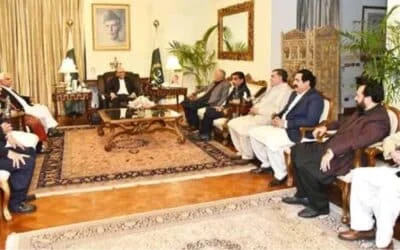
Islamabad has been at the heart of back-channel efforts, supported by Turkey and Egypt, to prevent the conflict from escalating. Prime Minister Shehbaz Sharif recently briefed President Asif Ali Zardari on the dialogue’s progress and his upcoming visits to Saudi Arabia and Turkey to further solidify peace efforts. Sources indicate that Iran has already given a positive response regarding its willingness to join a second round of discussions.
Stumbling blocks and naval threats
While diplomacy is moving forward, the situation on the ground remains tense. The U.S. has moved toward enforcing a naval blockade of Iranian ports, a move Tehran warns would be a direct violation of the ceasefire. Additionally, while the ceasefire holds in some areas, hostilities in theaters like Lebanon continue to influence the calculations of both Washington and Tehran.
The race against the April 22 deadline
Foreign Minister Ishaq Dar has been in constant contact with counterparts from China, Britain, and Saudi Arabia to build an informal coalition for peace. The primary objective is to buy time—either through a technical-level return to the table or a formal 45-day extension of the truce. With Trump now signaling a return to Pakistan, the diplomatic window remains narrow but open.
You May Like To Read: UN Secretary-General Guterres praises Islamabad Talks despite no deal
Check out our latest video: