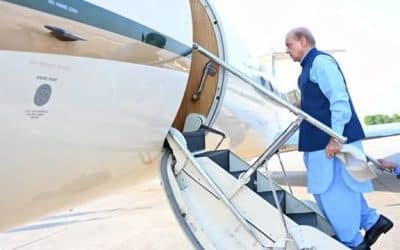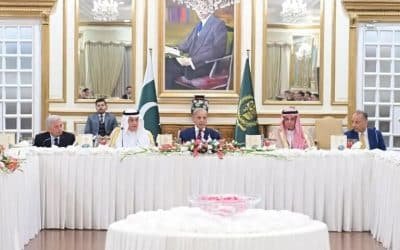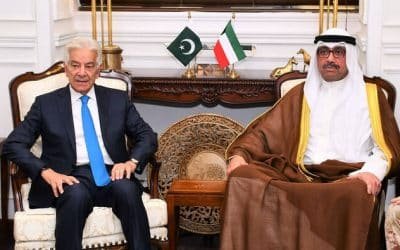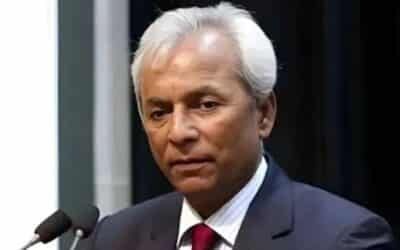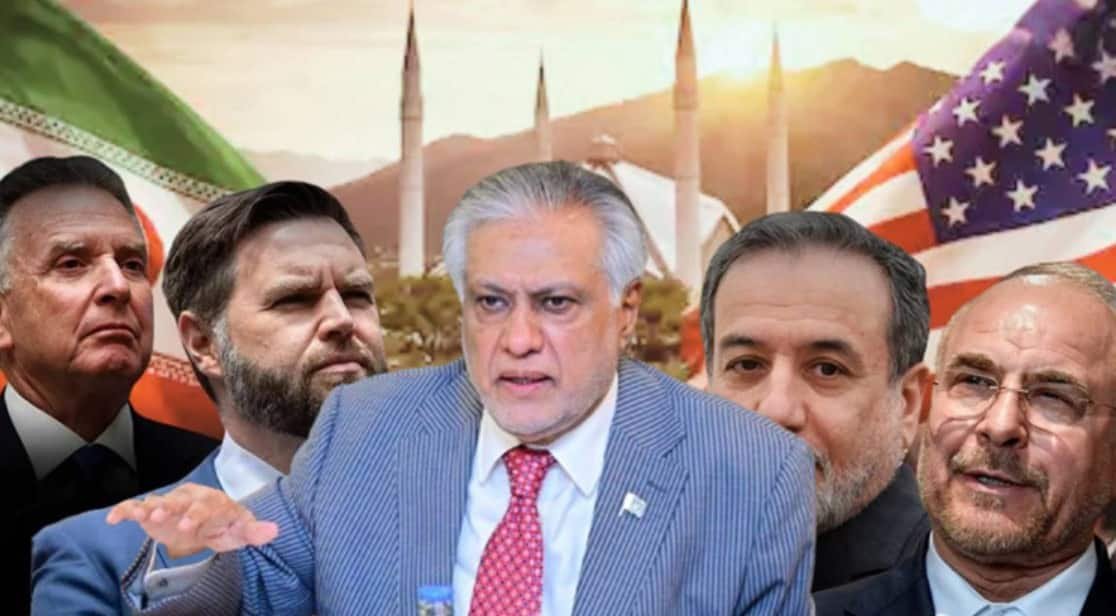





ISLAMABAD — The United States has expressed cautious optimism regarding diplomatic progress toward ending the war with Iran as Pakistani mediators continue to manage intense backchannel communications between Washington and Tehran. US Secretary of State Marco Rubio acknowledged the ongoing stabilization efforts, pointing to positive indicators following high-level visits by Pakistani emissaries to the Iranian capital. Pakistan’s Interior Minister Mohsin Naqvi held extensive meetings with top Iranian officials, including Foreign Minister Abbas Araghchi, to prevent a total communication breakdown. While both sides have entered grueling text-based bargaining over an interim formula, Washington’s top diplomat emphasized that the coming days remain critical to preventing the region from sliding back into full-scale military confrontation.
BREAKING: Iran and the US are continuing indirect talks through Pakistani mediation, Iran’s ISNA news agency reports, with both sides exchanging messages and draft texts as negotiators work toward a possible agreement.
🔴 LIVE updates: https://t.co/u9lQbHOqqB pic.twitter.com/QF3EDDBasO
— Al Jazeera English (@AJEnglish) May 21, 2026
Key Highlights
- US Secretary of State Marco Rubio cited positive signs in ending the conflict via Pakistani mediation.
- Interior Minister Mohsin Naqvi held critical text-based consultations with senior leadership in Tehran.
- Chief of Defense Forces Field Marshal Asim Munir may travel to Iran if initial gaps are reduced.
- Tehran confirmed it is reviewing the latest US position papers relayed through Pakistani channels.
- Control and monitoring of the strategic Strait of Hormuz remains the primary sticking point.
Friction Over Maritime Supervision Rules
The high-stakes diplomatic marathon has entered a decisive phase as negotiators attempt to construct a 30-day managed stabilization framework covering uranium custody, sanctions relief, and guarantees against future strikes. Speculation is mounting that Pakistan’s Chief of Defense Forces, Field Marshal Asim Munir, may soon travel to Tehran to solidify a breakthrough if Naqvi’s initial round of talks successfully bridges the remaining gaps. Iranian Foreign Ministry spokesperson Esmaeil Baghaei confirmed that Tehran is carefully reviewing Washington’s latest feedback, which responds directly to a 14-point Iranian proposal relayed entirely through Islamabad’s diplomatic corridor.
US Secretary of State Marco Rubio expressed cautious optimism about progress toward ending the US-Israel war with Iran, highlighting Pakistan’s mediation efforts as a key element in ongoing diplomatic attempts between Washington and Tehran.#MarcoRubio #USIranTalks… pic.twitter.com/dENDn6GY1o
— Pakistan TV (@PakTVGlobal) May 22, 2026
Meanwhile, the future operational status of the strategic Strait of Hormuz has emerged as the most volatile obstacle to a permanent peace treaty. Washington has flatly rejected Iran’s recent announcement establishing a formal management and supervisory zone over the waterway, with Rubio warning that any Iranian-controlled tolling or maritime monitoring mechanisms are entirely incompatible with a durable settlement. The US administration continues to demand completely unrestricted maritime passage, especially as global markets face severe economic strain from depleted pre-war oil stockpiles. Concurrently, Rubio renewed sharp criticism of NATO allies for refusing to provide military or logistical support during the conflict, leaving Washington to rely heavily on Pakistan’s active diplomatic machinery to defuse the crisis.