




QUETTA: In a move aimed at modernising agriculture and addressing chronic water shortages, the Balochistan government has approved the introduction of hydroponics technology across the province, officials said on Tuesday.
The decision was taken at a meeting of the Parliamentary Committee on the Public Sector Development Programme (PSDP), chaired by Chief Minister Mir Sarfraz Bugti at the chief minister’s secretariat. The meeting was attended by parliamentary leaders from coalition parties, provincial ministers and senior government officials.
Under the plan, the provincial government will initiate a major project to establish hydroponic farming facilities and promote horticulture using advanced, water-efficient techniques. Hydroponics is a soil-free method of cultivation in which plants are grown using nutrient-rich water solutions, allowing direct access to water, oxygen and essential minerals. The system significantly reduces water consumption while enabling higher yields and faster plant growth.
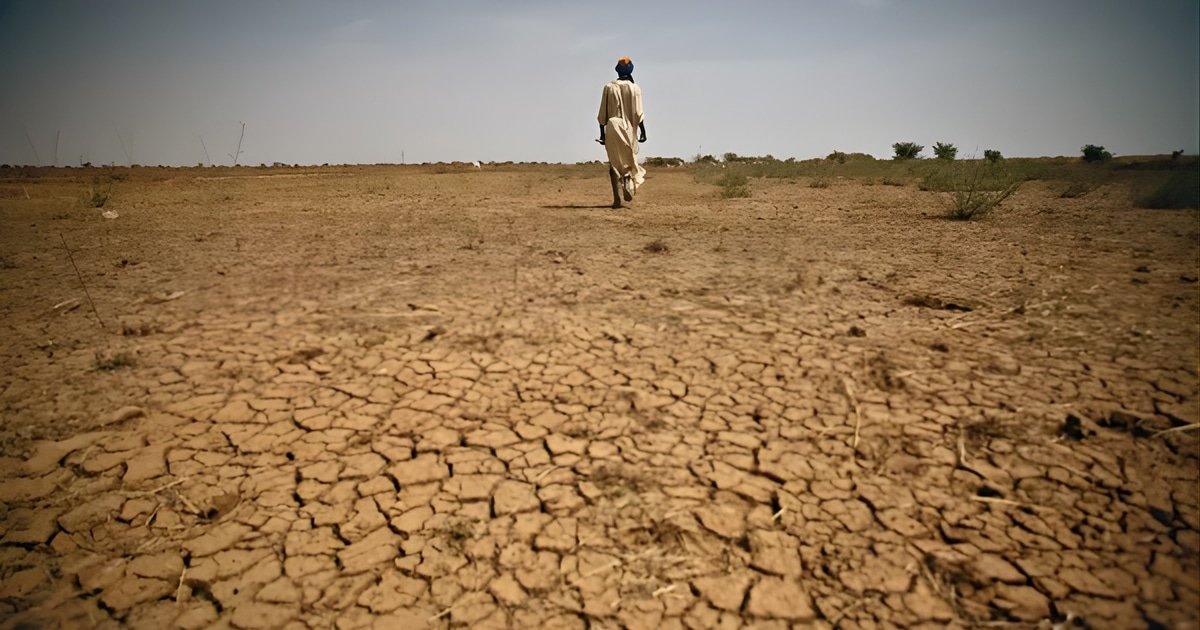
Officials said the committee agreed that hydroponics is particularly suited to Balochistan’s arid climate, where traditional farming methods have been severely constrained by limited rainfall and depleting groundwater resources. The technology also allows year-round cultivation, reduces the need for pesticides, and enables farming in controlled environments such as greenhouses.
According to the approved plan, the project will be launched initially on a pilot basis in 10 districts. If the pilot phase produces positive results, the government intends to expand the use of hydroponics across the province. Authorities expect the initiative to improve agricultural productivity, generate employment opportunities and contribute to broader economic growth.
You May Also Like: Water cannons again used to disperse PTI sit-in near Adiala jail
During the meeting, participants also reviewed progress on ongoing irrigation and dam projects in various parts of the province. Particular attention was given to Gwadar, which has been facing an acute water crisis and prolonged drought for more than two years.
Technology to enable year-round cultivation, reduce pesticide needs, save space, and offer precise control over growing conditions. https://t.co/gcMqct9I8d
— Dawn.com (@dawn_com) December 18, 2025
Chief Minister Bugti directed the relevant departments to ensure that dams currently under construction in Gwadar district are reserved exclusively for the provision of drinking water. He also instructed officials to expedite the completion of these projects to provide relief to local residents.
“Irrigation and dam projects are vital for securing Balochistan’s agricultural future,” the chief minister said, according to officials present at the meeting. He emphasised that innovative solutions such as hydroponics, combined with improved water infrastructure, were essential to making the province’s agriculture sector more resilient to climate stress and water scarcity.
Balochistan, Pakistan’s largest province by area, has long struggled with water shortages that have affected farming, livelihoods and food security. The adoption of hydroponics marks one of the most significant policy shifts in recent years aimed at introducing modern agricultural practices in the province.
Check out our latest video: