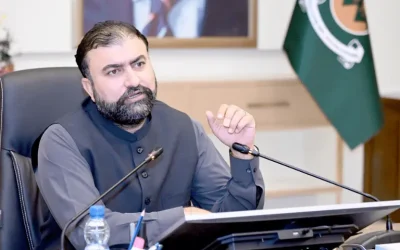





Interior Minister Mohsin Naqvi has taken urgent notice of the alarming reports about the leakage of mobile phone SIMs data and ordered a high-level inquiry to trace those responsible.
According to a statement from the Interior Ministry, the National Cyber Crimes Investigation Agency (NCCIA) has set up a special team tasked with investigating the breach and presenting its findings within 14 days. The team has been directed to examine the scale of the leak, identify those involved, and ensure strict legal action against them.
موبائل سمز کا ڈیٹا لیک ہونے سے متعلق نشر ہونے والی خبر وفاقی وزیرداخلہ محسن نقوی کا فوری نوٹس نیشنل سائبر کرائمز انوسٹی گیشن ایجنسی ان ایکشن وزیرداخلہ کی ہدایت پر خصوصی انوسٹی گیشن ٹیم تشکیل انوسٹی گیشن ٹیم ڈیٹا لیکج کے معاملے کی ہر پہلو سے تحقیقات کرے گی pic.twitter.com/gbWtoAPGwK
— NCCIA (@NCCIAOFFICIAL) September 7, 2025
Data of Ministers, Officials and Citizens Exposed
Media reports suggest that the breach is extensive, with the sensitive data of thousands of Pakistanis, including federal ministers, senior government officials, and ordinary subscribers, being sold online. The information reportedly includes addresses of SIM owners, call logs, copies of CNICs, mobile location data, and even records of international travel.
Shockingly, some of this data is being offered at throwaway prices — Rs500 for mobile location, Rs2,000 for detailed call records, and Rs5,000 for foreign travel details. Intelligence officials warn that such leaks could enable malicious actors to target victims cheaply and with precision.
وفاقی وزیرداخلہ نے وزرا کی موبائل سمز کے ڈیٹا لیک کا نوٹس لے لیاhttps://t.co/sLrqiPZUcv
— Geo News Urdu (@geonews_urdu) September 8, 2025
Past Warnings Ignored
This is not the first time concerns have been raised. Earlier, the Pakistan Computer Emergency Response Team (PKCERT) had warned of a global data breach that exposed login credentials and passwords of over 180 million Pakistani internet users. That database contained usernames, passwords, and emails from major social media, government portals, and financial institutions, left completely unprotected in plain text.
The new reports suggest that despite earlier alerts, weak enforcement and poor oversight have allowed illegal data trade to continue. Even websites flagged in the past appear to be operational again, fueling public frustration.
Government Response
The interior minister himself is said to be among those affected by the breach. Speaking through his ministry, Naqvi vowed that the matter would be pursued with urgency and accountability. “Those responsible will be brought to justice, and citizens’ privacy must be protected at all costs,” the statement read.
Officials say the NCCIA’s special task force will look into whether the breach was the result of insider involvement, cyber infiltration, or systemic gaps in telecom security.
You May Like To Read: President, PM salute Pakistan Navy’s courage and legacy
Public Concerns
The revelation has triggered widespread concern. Citizens are questioning how their most personal data — from CNIC copies to travel history — ended up for sale on the internet, and why corrective measures were not enforced earlier.
Cybersecurity experts warn that the stolen information could be misused for identity theft, financial fraud, phishing attacks, or unauthorized access to government systems. They urge the public to regularly change passwords, avoid reusing old credentials, and monitor suspicious activity on personal accounts.
A Test for Pakistan’s Cyber Defenses
The episode once again highlights Pakistan’s fragile cyber infrastructure. At a time when the country is digitizing governance and commerce, experts say protecting citizens’ data is not optional — it is essential for national security and public trust.
For now, all eyes are on the NCCIA task force and whether its probe will finally deliver answers — and accountability — for a problem that has persisted for years.
You May Like To Read: Multan at Risk as Chenab Floodwaters Enter Jalalpur Pirwala