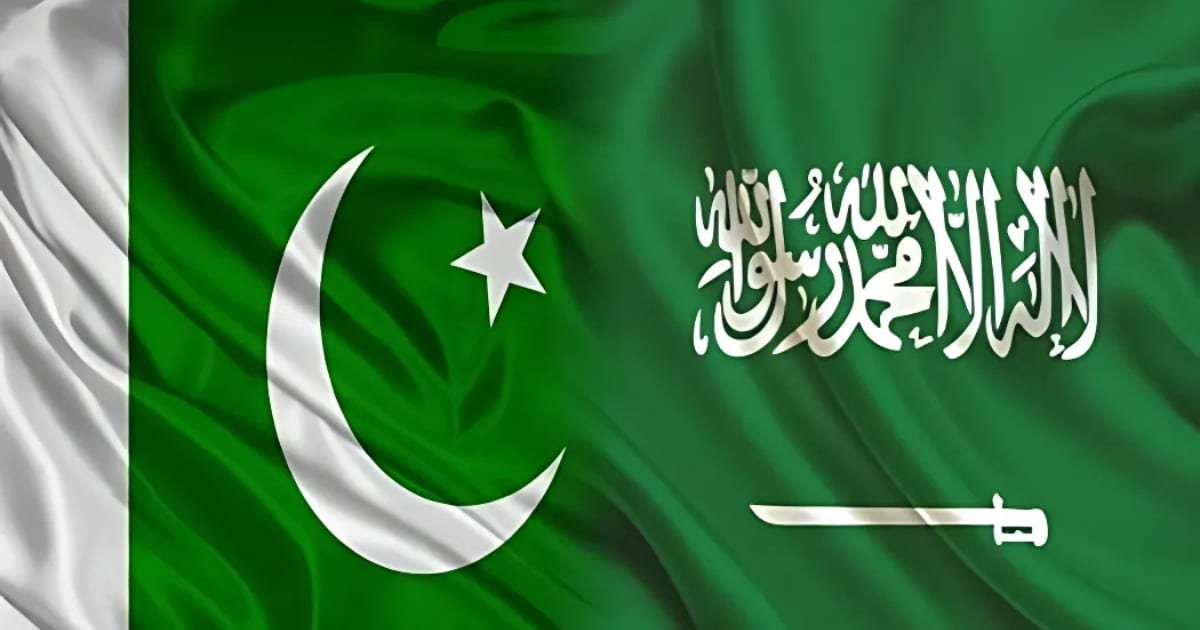



The 2018 murder of Jamal Khashoggi shook global alliances. For Pakistan, the crisis was a test. Its ties with Saudi Arabia are deep and historic. Pakistan had to balance Islamic solidarity with economic needs. Diplomatic principles were also at stake. Western media referred to it as a moral test. But Pakistan chose pragmatic solidarity. It focused on real-world challenges. The Saudi partnership is vital for Pakistan’s stability. This bond is more than diplomacy. It blends Islamic identity with strategic needs. The relationship has endured many crises. It remains essential for Pakistan’s survival.
The Khashoggi Crisis: Pakistan’s Calculated Solidarity
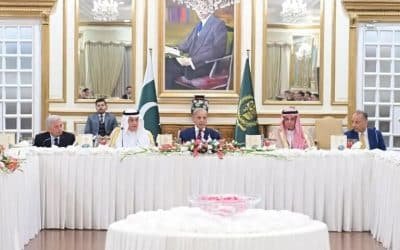
When Western leaders boycotted Saudi Arabia’s “Davos in the Desert” after Khashoggi’s murder, Pakistan took a different path. Former Prime Minister Imran Khan attended the summit without hesitation. He openly admitted, “We are desperate for money.” This showed Pakistan’s harsh economic reality. The visit brought immediate results. Saudi Arabia gave Pakistan a $3 billion deposit. It also offered $3 billion in deferred oil payments. This financial aid saved Pakistan from a looming crisis. It was not charity. It was an investment in a vital partnership. Pakistan provides military strength, diplomatic backing, and strategic depth to Saudi Arabia. Pakistan expressed “shock” over Khashoggi’s murder. But it avoided blaming Crown Prince Mohammed bin Salman. This careful position showed Pakistan’s understanding of Saudi Arabia’s key role in the Muslim world.

Source: Reuters
Military-Security Symbiosis
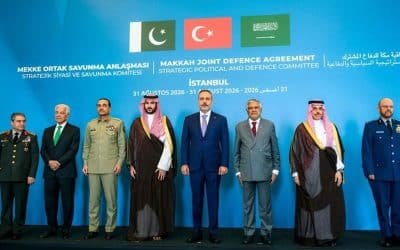
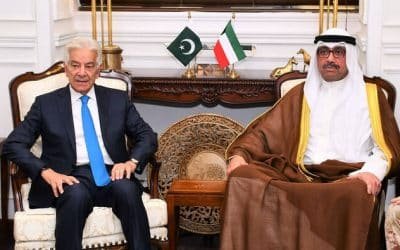
Pakistan’s military support to Saudi Arabia is longstanding. During the Iran-Iraq War, Pakistan stationed thousands of troops in the Kingdom. In 2017, General Raheel Sharif led the Islamic Military Alliance. This security bond is unmatched by other Muslim states. There are even claims of Saudi funding for Pakistan’s nuclear program and missile cooperation. After Khashoggi’s killing, Pakistan maintained this defense partnership. In 2020, former Army Chief General Bajwa visited Riyadh. He assured support for Saudi Arabia’s sovereignty and territorial integrity. This visit also eased tensions over the Kashmir issue.
You May Like To Read: Pakistan’s New Consulate in Kandahar: Soft Power or Security Outreach?
Tensions and Reconciliation: The Kashmir Litmus Test
The Pakistan-Saudi relationship faced open strain in 2020. The Foreign Office of Pakistan warned that Pakistan might seek help from other Muslim countries. This was if Saudi Arabia refused to prioritize Kashmir at the OIC. In response, Riyadh recalled a $1 billion loan. This exposed cracks in the “brotherhood” narrative. Saudi Arabia’s bilateral trade with India, worth $42.98 billion, took precedence over Pakistan’s Kashmir concerns.
However, Pakistan managed the crisis carefully. China quickly replaced the recalled loan, showing Pakistan’s diplomatic agility. Pakistan later admitted, “Saudi Arabia has its own foreign policy.” This statement reflected Pakistan’s acceptance of limits in solidarity, while still preserving the core of its strategic partnership with Riyadh.
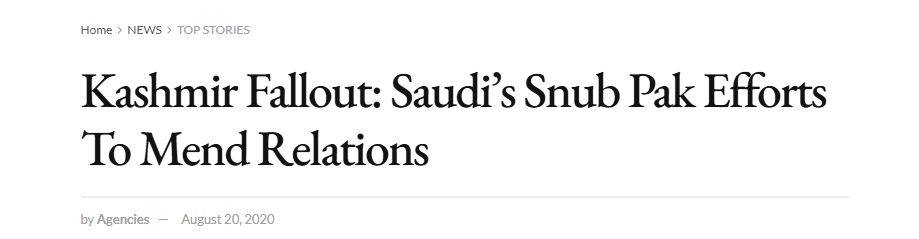
Source: Kashmir Observer
Brotherhood Beyond Realpolitik: The Unbreakable Bonds
Despite shifting geopolitics, Pakistan and Saudi Arabia’s bond remains strong. This strength comes from deeper roots beyond realpolitik. Religious kinship is at the heart of this relationship. Saudi Arabia, as the custodian of Islam’s holiest sites, holds unmatched spiritual importance for Pakistan. Every year, thousands of Pakistanis perform Hajj. Saudi-funded mosques and madrassas, like Islamabad’s Faisal Mosque, further strengthen this religious link.
Both countries also share a vision of Islamic leadership. They often present themselves as defenders of Muslim causes. After 2019, both issued joint statements condemning India’s actions in Kashmir. They also openly support Palestinian statehood. This shows their united front in theological diplomacy. Cultural ties between the two societies are deep-rooted. Saudi-funded Urdu-language channels like Paigham TV promote cultural exchange. Cities like Faisalabad, named after King Faisal, stand as lasting symbols of this brotherhood. These people-to-people connections go beyond politics and ensure the relationship remains unbreakable.
Future Trajectory: Convergence in Vision 2030 and Regional Mediation
After Khashoggi’s murder, Pakistan positioned itself as a key mediator between Saudi Arabia and its rivals. It offered to bridge the divide between Riyadh and Tehran, using its unique ties with both. This role could help reduce sectarian proxy conflicts that destabilize the region. Economically, Saudi Arabia’s investments in Pakistan are expanding. Projects such as the Reko Diq copper-gold mine and renewable energy initiatives align with Saudi Arabia’s Vision 2030’s diversification goals. Pakistan’s growing IT workforce also offers valuable human capital for Saudi Arabia’s tech ambitions. The establishment of the Saudi-Pakistan Supreme Coordination Council (SPSCC) has institutionalized this evolving partnership, ensuring long-term strategic cooperation.
You May Like To Read: India’s Missing Uranium: Why the Global Silence?
Remittances remain a key pillar of this relationship, which helps stabilize Pakistan’s foreign exchange reserves. Saudi investments, including the $10 billion Gwadar, create jobs and link Pakistan to Gulf supply chains. Oil diplomacy is another crucial area. Deferred oil payment facilities, like the $3 billion provided in 2018, have prevented energy crises during Pakistan’s financial shortfalls. These economic ties are essential for both countries and will shape the future trajectory of their partnership.
Conclusion
Pakistan-Saudi relations are neither purely transactional nor based on idealistic brotherhood. They represent a realist partnership built on security interdependence, economic ties, and shared Islamic identity. The post-Khashoggi era tested this bond, but Pakistan stood by Saudi Arabia during its isolation, while Riyadh continued to support Pakistan economically. Challenges like Kashmir and Yemen need careful management, yet the foundation of this alliance remains solid. As both countries navigate regional instability, their partnership serves as mutual insurance. For Pakistan, this relationship is essential for Islamic solidarity and national survival, requiring pragmatic diplomacy over ideological rhetoric. Pakistan’s handling of the Khashoggi crisis proved that true brotherhood endures when it accepts and rises above the realities of geopolitics.