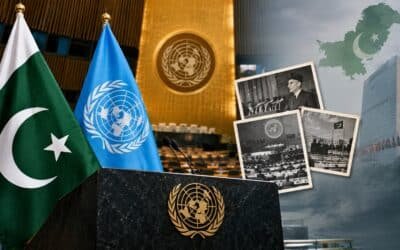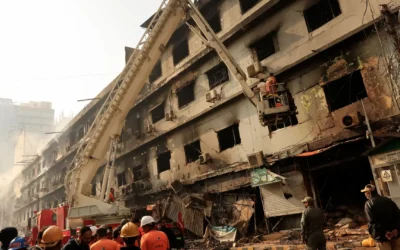




NEW YORK / ISLAMABAD, Sept 12 — Pakistan and Israel clashed at the United Nations Security Council (UNSC) on Thursday after Tel Aviv carried out a strike in Qatar that targeted Hamas leaders. Islamabad condemned the action as “illegal, unprovoked and a threat to regional stability,” while Israel attempted to justify the strike by invoking the US raid that killed Osama bin Laden in Pakistan.
Pakistan SLAMS Israel at the UN 🇵🇰
Calls it, “occupier feigning victimhood, violating UN resolutions and committing state terrorism in Gaza”. pic.twitter.com/Vz5XfOYTuB
— Pakistan Strategic Forum (@ForumStrategic) September 12, 2025
Key Highlights
- Pakistan condemned Israel’s strike in Doha as a “brazen violation” of Qatar’s sovereignty.
- UNSC session was convened by Algeria, Pakistan, and Somalia, with support from France and the UK.
- Israel compared the strike to the bin Laden raid in Pakistan, a claim Pakistan dismissed as “ludicrous.”
- Qatar’s PM said Israel had targeted mediators and “sabotaged diplomacy.”
- Major powers, including the US, UK, and France, criticised the Israeli action.
Pakistan’s Strong Rebuke
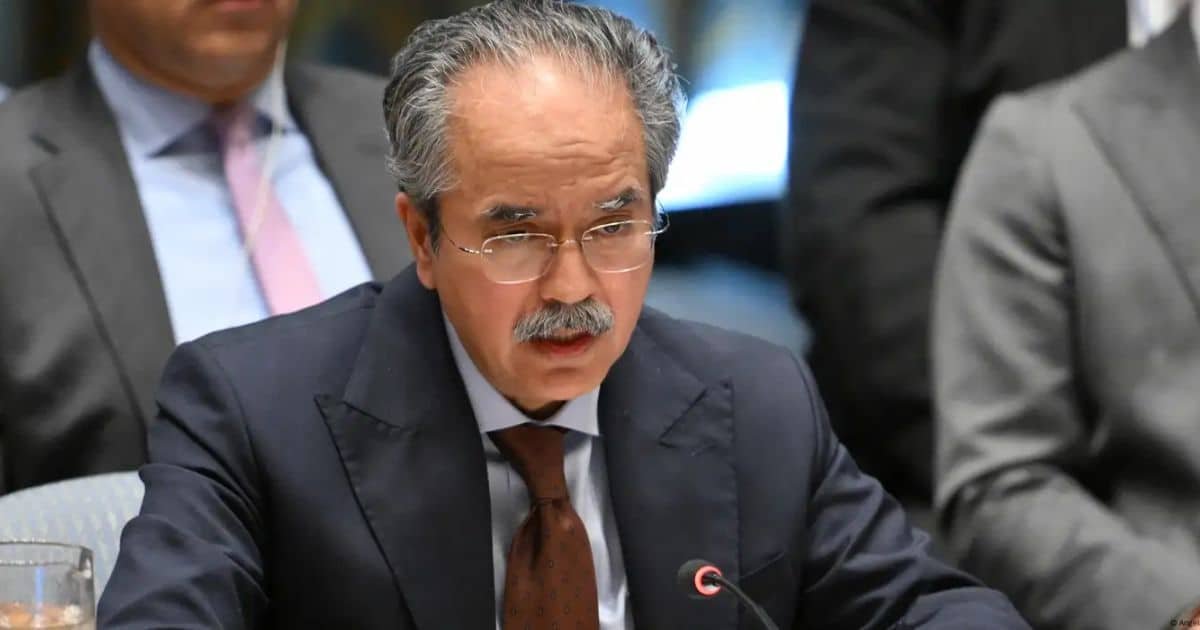
Ambassador Asim Iftikhar Ahmad, Pakistan’s Permanent Representative to the UN, opened with a forceful denunciation of Israel’s strike, calling it:
“A brazen and illegal assault, not an isolated act but part of a consistent pattern of aggression that undermines regional peace.”
He warned that striking a residential neighbourhood in Doha, especially during sensitive Gaza peace talks, amounted to a direct attempt to derail diplomacy.
Pakistan reaffirmed its solidarity with Qatar, citing Prime Minister Shehbaz Sharif and Foreign Minister Ishaq Dar’s recent visit to Doha as proof of support for the Gulf nation’s sovereignty.
You May Like To Read: Fresh Rain Spell Expected from Sept 16 as Floodwaters Move into Sindh
Israel’s Justification & Pakistan’s Reply
Israel’s ambassador defended the strike by drawing parallels with the US raid against Osama bin Laden in Pakistan, arguing there could be “no immunity” for Hamas leaders.
Pakistan immediately exercised its right of reply, rejecting the analogy as “unacceptable and absurd,” and accused Israel of:
- Serial violations of the UN Charter and international law
- Pretending to be the victim while being the aggressor
- Destabilising multiple regions, including Gaza, Syria, Lebanon, Iran, and Yemen
Ambassador Ahmad also reminded the UNSC of Pakistan’s sacrifices in counterterrorism, stressing that Al Qaeda was dismantled largely through Pakistan’s efforts.
Qatar, UN & Global Voices
Qatar’s Prime Minister Sheikh Mohammed bin Abdulrahman bin Jassim Al-Thani addressed the UNSC under Rule 37, slamming the strike as a direct attack on a mediator.
“Have you ever heard of a state attacking negotiators hosted for peace talks? This is not just aggression; it is sabotage of diplomacy,” he said.
UN officials, including Rosemary DiCarlo, described the strike as an alarming escalation that endangered both civilians and fragile ceasefire negotiations.
Several global powers joined the condemnation:
- France called the action a violation of international law.
- UK said it was counterproductive to Israel’s own security.
- US warned the strike did not serve the interests of Washington or Tel Aviv.
- China labelled the move an act of bad faith aimed at sabotaging peace efforts.
A Divided Council, But Clear Condemnation
While divisions remained, the UNSC adopted a statement expressing deep regret over civilian casualties, reaffirming Qatar’s sovereignty, and stressing the importance of de-escalation and mediation in the Gaza conflict.
Observers noted that Pakistan used the session to assert its principled stance on international law while defending Qatar’s role as a mediator.
Conclusion
The heated exchanges between Pakistan and Israel at the UNSC underscored deep global divisions over the Doha strike. For Islamabad, it was a chance to highlight both its counterterrorism record and its support for diplomacy in the Middle East.
As the debate continues, the strike in Doha is likely to shape future negotiations on Gaza, the role of mediators like Qatar, and how far the international system can go in restraining unilateral military actions.
You May Like To Read: Yamaha Ends Motorcycle Assembly in Pakistan, Shifts Strategy