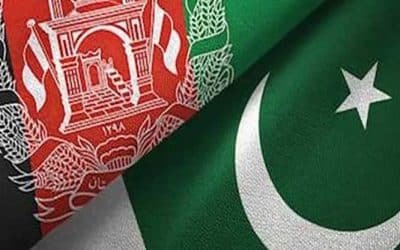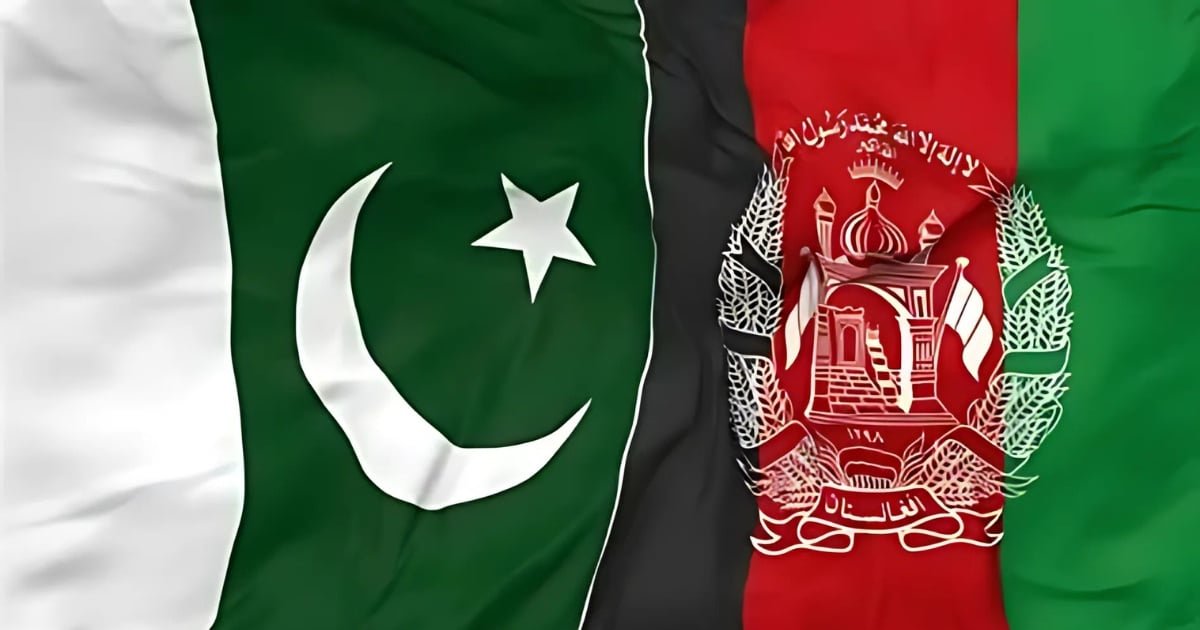




Pakistan’s decision to reopen its consulate in Kandahar reflects more than just a diplomatic gesture. It is a calculated step shaped by history, geography, and evolving regional dynamics. Kandahar, a city rich in symbolism and influence, is the Taliban’s spiritual base. It also holds strategic importance in southern Afghanistan. By re-establishing its presence there, Pakistan signals a desire to re-engage with its neighbor while protecting its national interests. The move is part of a broader effort to navigate a relationship that has long been defined by shared culture, mutual suspicion, and shifting political realities.
Historical Context Shapes Engagement
The bond between Pakistan and Afghanistan runs deep, especially among Pashtun communities living across the Durand Line. Despite decades of disputes over the legitimacy of the border, Islamabad has consistently kept lines of communication open, including with groups like the Taliban. During the post-Soviet era, Pakistan viewed the Taliban as a stabilizing force, even as their rise later brought unintended consequences. Understanding these complexities, Pakistan now seeks to balance engagement with vigilance.
The reopening of the Kandahar consulate shows a more pragmatic approach. It reflects awareness of past missteps, like the closures of consulates during moments of high tension, such as the 1955 riots, and a willingness to adapt. It shows Pakistan stepping forward not in isolation but with cautious confidence. It reflects Pakistan’s effort to learn from history. It also positions Islamabad as an important regional player. This step is part of a broader strategy to engage, stabilize, and influence developments in Afghanistan.
Trade and Aid Drive Soft Power
The Kandahar consulate is critical in enhancing Pakistan’s soft power, with an emphasis on economic connectivity and humanitarian aid. Pakistan, as Afghanistan’s largest trade partner, also utilizes its diplomatic post to promote trade activities between the two countries and make trade more convenient. These activities are crucial to Afghanistan’s landlocked economy and regional economic integration.
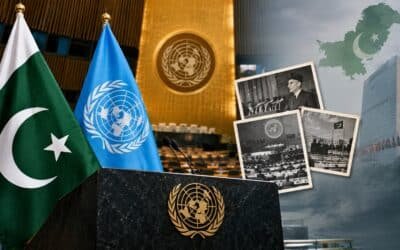
Meanwhile, the consulate is a center of humanitarian campaigns. Pakistan still urges the international community to relax sanctions, which have aggravated the humanitarian crisis affecting more than 28 million Afghans. At the UN Security Council, Pakistan urged the international community to lift the freeze on Afghan assets to prevent humanitarian collapse and economic breakdown, warning that continued instability could trigger massive refugee flows and embolden terrorist groups. Pakistan’s new ambassador-level diplomatic ties and expanding trade and counter‑terrorism cooperation, with Kandahar playing a pivotal role in this updated posture. Collectively, this indicates the Pakistani approach to employing an integrated strategy by using diplomacy, economic integration, and managing regional security using one centrally placed mission.
Strategic Diplomacy Driven by Security Imperatives
Pakistan’s security concerns require its consulate in Kandahar as part of its operations. Situated in a strategic border area, the consulate can directly engage with Taliban officials to help manage tensions and prevent breakdowns, like the March 2025 reopening of the Torkham crossing and ongoing border fencing disputes. Its proximity enables quick communication and real-time conflict resolution, which is vital for preventing minor incidents from escalating into major crises.
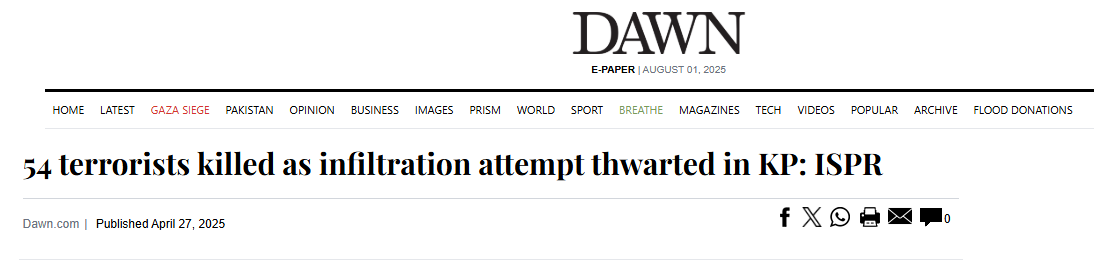
The consulate also plays a key role in counter-terrorism and cross-border infiltration efforts in Pakistan. Since Fitna-al-Khawarij (FAK) militants operate from bases in Afghanistan, Pakistan relies on the diplomatic influence of the Kandahar post to pressure the Taliban to reduce cross-border incursions. The importance of long-term engagement is underscored by the killing of 54 FAK infiltrators in April 2025, highlighting the severity of the threat. Additionally, the consulate addresses refugee issues, ensuring the humane and controlled repatriation of undocumented Afghans from Pakistan. This helps Pakistan manage domestic security and avoid a humanitarian crisis. Overall, the Kandahar consulate functions as a frontline hub where diplomacy, border control, and counter-terrorism efforts collaborate.
Source: DAWN
Influence Faces Real Limits
Pakistan’s influence in Afghanistan, despite ongoing efforts, faces clear limits. Since 2021, the Taliban have increasingly pushed back against Pakistani pressure. They assert independence in their decisions and have not fully severed ties with anti-Pakistan groups like the FAK. Diplomatic outreach has failed to stop this support. At the same time, regional rivals like India continue to hold sway. Indian projects such as roads and dams earned goodwill that still shapes perceptions, even after India left Kandahar in 2021. Global dynamics also restrict Pakistan. Western sanctions tied to human rights make it difficult for Islamabad to openly back the Taliban. As a result, Pakistan walks a tightrope, engaging the Taliban while trying to maintain international legitimacy.
Conclusion
Kandahar’s consulate is not just about soft power or security. It is a key part of Pakistan’s overall strategy. The consulate supports trade, aid, and security all at once. This helps Pakistan promote stability and protect its interests. Still, problems remain. The Taliban often resist pressure, and regional rivals like India challenge Pakistan’s role. Yet Pakistan stays engaged. This steady involvement helps it remain a vital neighbor to Afghanistan. In 2021, Foreign Minister Qureshi spoke of using “quiet diplomacy and public messaging” to guide the Taliban. The Kandahar mission reflects that approach. It acts as both a humanitarian support point and a security outpost in a deeply divided region.