

On Sunday, February 8, 2026, the opposition alliance Tehreek Tahafuz Ayeen-i-Pakistan (TTAP)—led by the PTI—observed a nationwide “shutter-down and wheel-jam” strike to mark the second anniversary of the 2024 general elections. In Karachi and broader Sindh, the day was characterized by a stark contrast between official reports of “business as usual” and PTI’s claims of a “historic” shutdown.
A Muted Response
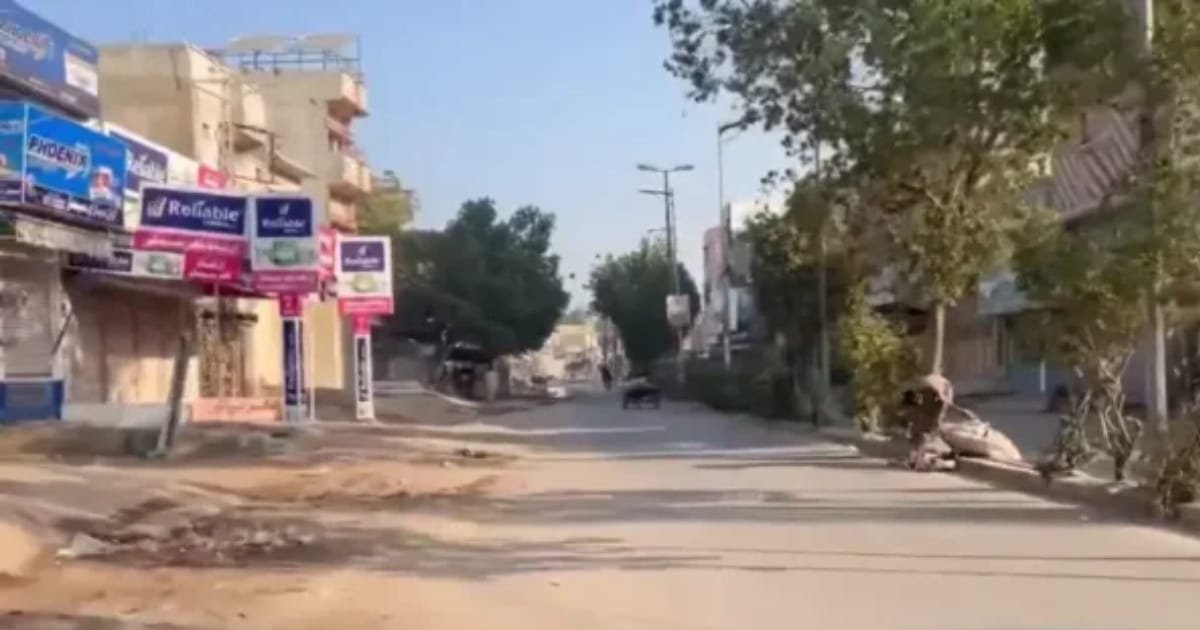
Independent reports and local business leaders indicated that life in the metropolis remained largely undisrupted:
- The “Sunday Factor”: Because Sunday is the traditional weekly holiday for major wholesale markets (like Bolton Market and Jodia Bazaar), it was difficult to distinguish strike-related closures from routine holiday shutdowns.
- Commercial Activity: Neighborhood bazaars and shopping districts that typically operate on Sundays remained open.
- Public Transport: Buses, rickshaws, and ride-hailing services operated without interruption, with traffic police reporting normal vehicular flow on major arteries like Sharea Faisal.
Security Lockdown and Section 144
Despite the lukewarm public response, the government took no chances, implementing a heavy security layer:
- Roadblocks: Police placed shipping containers and barricades on roads leading to the Karachi Press Club and the Election Commission of Pakistan (ECP) office to thwart potential assemblies.
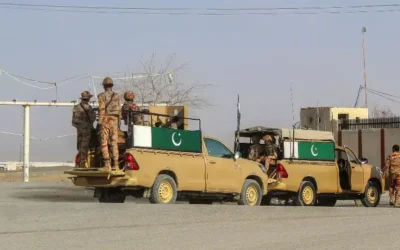
- Red Zone Security: DIG-South Syed Asad Raza confirmed that security for key government buildings was “beefed up” due to broader regional terrorism threats.
- Protest Ban: The Sindh Home Department extended the enforcement of Section 144, banning gatherings of five or more people. Authorities warned that any violations would result in immediate legal action.
The PTI Narrative: “Historic Success”
Contradicting the calm on the streets, PTI leadership hailed the day as a victory for their “stolen mandate” movement:
- Haleem Adil Sheikh: The PTI Sindh President termed the strike a “historic” public referendum against the current government.
- Claims of Voluntary Closure: Party leaders insisted that citizens voluntarily stayed indoors and that inter-city transport was suspended out of solidarity, not coercion.
- Allegations of Crackdown: PTI’s Raja Azhar condemned the reported arrest of 180 party workers under the Maintenance of Public Order (MPO), labeling the government’s security measures as a sign of “panic.”
This is what solidarity looks like. Scenes from Downing Street right now.
8Th Feb 2026 London Protest.#فروری8_ہر_چوک_ڈی_چوک pic.twitter.com/LjS7Y0qZ4s
— PTI UK (@UKPTIOfficial) February 8, 2026
National Context is A Mixed Bag
While Sindh’s response was seen as lukewarm, the TTAP strike had varying impacts across the country:
- Quetta: Observed a near-complete shutdown with a total “wheel-jam” and suspended mobile services.
- Peshawar: Saw a partial strike, particularly in markets traditionally supportive of the opposition.
- Lahore/Islamabad: Similar to Karachi, these cities saw routine activity, bolstered by the ongoing Basant festivities in Punjab which largely eclipsed the protest calls.
You May Also Like: KP Police Sacrifices Ignored by ‘Particular Mindset’, CM Afridi
Check out our latest video: