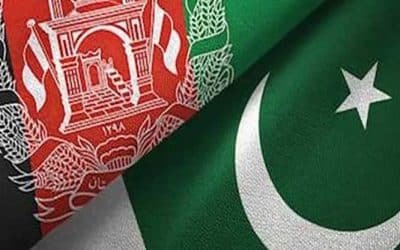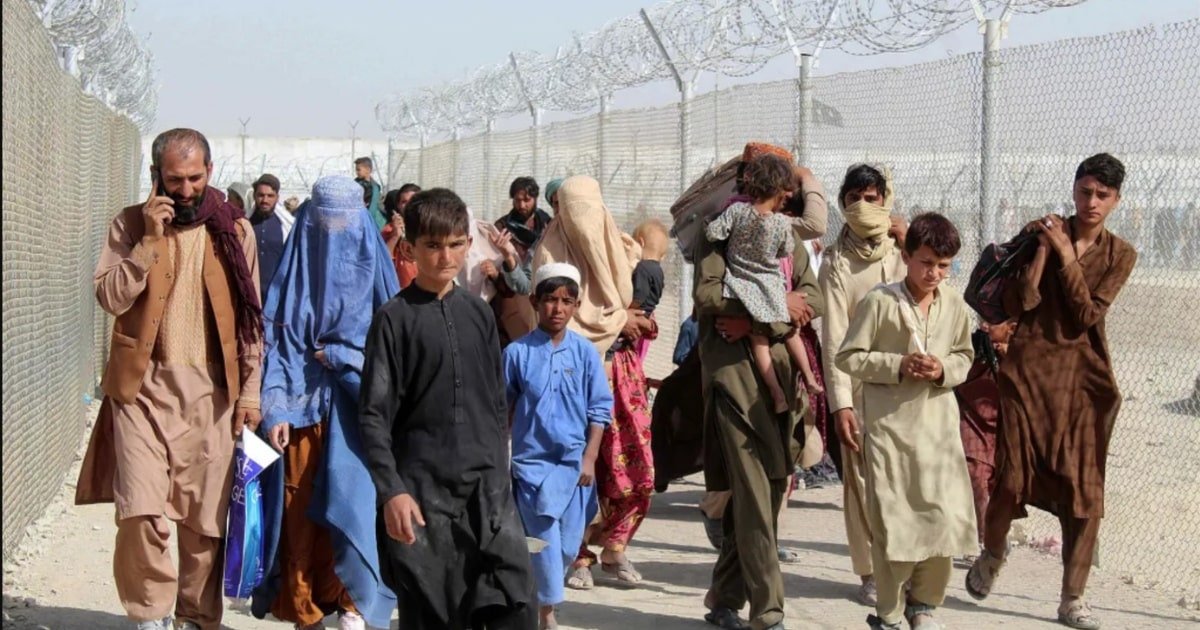





Pakistan has hosted Afghan refugees for over 40 years. Most came during the Soviet invasion of Afghanistan in 1979. And others followed after the US invasion in 2001 and the Taliban’s return in 2021. As of late 2024, Pakistan is home to over 1.5 million registered Afghan refugees, and an estimated 600,000 Afghans entered Pakistan after the Taliban reemergence in Afghanistan, according to UNHCR.
Pakistan is a non-signatory to the 1951 Refugee Convention. Still, Pakistan continues to host one of the largest refugee populations in the world. Refugees are managed under domestic policies, with cooperation from the UNHCR. This long-standing humanitarian effort reflects Pakistan’s generosity, but also poses evolving challenges for national stability.
Pakistan’s Policy Focus: Voluntary Repatriation
Pakistan’s priority is the voluntary repatriation of Afghan refugees. Since 2002, Pakistan, Afghanistan, and UNHCR have operated under a Tripartite Agreement to support this process. The government emphasizes that returns should be safe, dignified, and voluntary.
Pakistan has repeatedly affirmed its commitment to encouraging return, particularly of undocumented refugees, while offering extensions for registered populations. The government has extended refugee registration cards (PoR cards) several times. The current extension is valid until mid-2025. However, undocumented Afghans are being repatriated under the Illegal Foreigners Repatriation Plan, launched in late 2023. So far, over 997,893 undocumented Afghans have been repatriated under IFRP. The goal is to ease pressure on resources and improve border security.

Source: PTV News
Repatriation is viewed not only as a demographic solution. It is viewed as a strategic investment in bilateral stability. The repatriation of Afghan refugees can strengthen regional ties and help manage security risks linked to protracted displacement.
Limited Integration with Conditions
Pakistan does not promote full integration or citizenship for Afghan refugees. However, some facilities have been extended to registered refugees. Those with PoR cards can now enjoy all the rights and protection, including access to different opportunities. Still, the state has not provided a legal pathway to citizenship. The focus remains on temporary settlement, not permanent integration.
You May Like To Read: Pakistan and the Fallout of the U.S. Withdrawal from Afghanistan
Security Concerns and Border Control
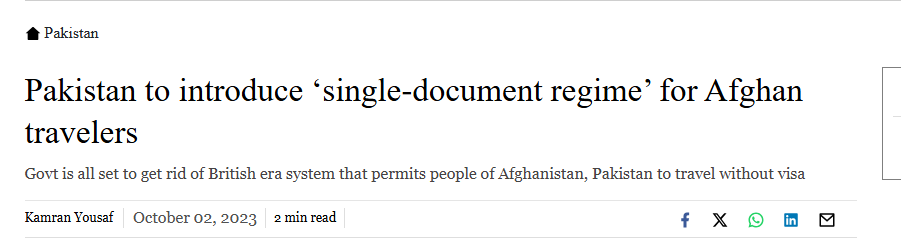
Source: The Express Tribune
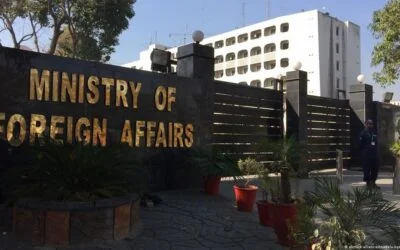
Pakistan’s refugee policy is strongly linked to national security. Officials fear that undocumented individuals could be involved in illegal trade or exploited by militant networks. Single Document Regime (SDR), introduced in 2021, requires valid passports and visas at all border crossings. The aim is to stop illegal entries and strengthen surveillance at crossings like Torkham.
In 2025, Pakistan also created NIFTAC (National Intelligence Fusion and Threat Assessment Centre). It coordinates intelligence sharing between agencies and helps identify security risks among migrants. This institutional strengthening improves threat detection. It helps identify peaceful refugees. It also separates them from potential security risks. This supports careful repatriation and limited integration.
Why Repatriation Makes Strategic Sense
Repatriation is seen as the better option for national interest. It reduces population pressure, cuts security risks, and helps Pakistan manage its borders effectively. Integration, while limited, is used to support those who are law-abiding and registered. These people can access basic services but are not offered permanent residency.
You May Like To Read: Pakistani Jails and Afghan Nationals
Pakistan’s refugee policy is based on practical concerns. Repatriation helps reduce illegal activities, maintains border control, and prevents future security threats. Pakistan is not alone in this approach; many other countries are also tightening refugee policies due to internal challenges.
Pakistan also seeks international help in building safe zones and employment opportunities in Afghanistan. It urges the global community to support reintegration there, rather than push Pakistan to absorb more refugees.
Pakistan’s Approach: Structured Repatriation for National Stability
Pakistan believes national security is best ensured through structured and documented repatriation. Open-ended refugee stays are not sustainable. Undocumented flows create political, economic, and security risks. Legal refugees are still welcomed under regulated frameworks. This approach allows them to contribute responsibly. Pakistan maintains goodwill by working closely with UNHCR. It remains a generous host and engaged international partner. At the same time, it asserts its sovereign right to control borders.
Recommendations for Balanced Refugee Management
- Strengthen laws to define refugee rights and procedures.
- Improve refugee data systems to track individuals and prevent misuse.
- Support reintegration in Afghanistan by building schools, hospitals, and jobs.
- Focus on intelligence sharing to separate genuine refugees from security threats.
- Maintain cooperation with UNHCR and ensure returns stay voluntary and dignified.
Conclusion
Pakistan has shown unmatched hospitality for over 40 years. Yet, it faces real challenges in security, economy, and border management. Its focus on repatriation is not driven by hostility, but by the need to protect its sovereignty and internal stability. At the same time, Pakistan is allowing registered refugees to live with dignity until it is safe to return. It continues to work with the UN and international partners to find long-term solutions. In a volatile region, Pakistan’s approach reflects balance, caution, and fairness. Pakistan has shown a responsible and balanced approach. It protects national interests while honoring its humanitarian legacy.