


Pakistan’s war memorials and military cemeteries are not just mortar and earth but are symbolic containers of national memory. They are an account of sacrifice, courage, and nation-state building. These somber spaces not only commemorate service but also help in promoting the history of Pakistan.
The Commemoration of Heroes: A National Narrative
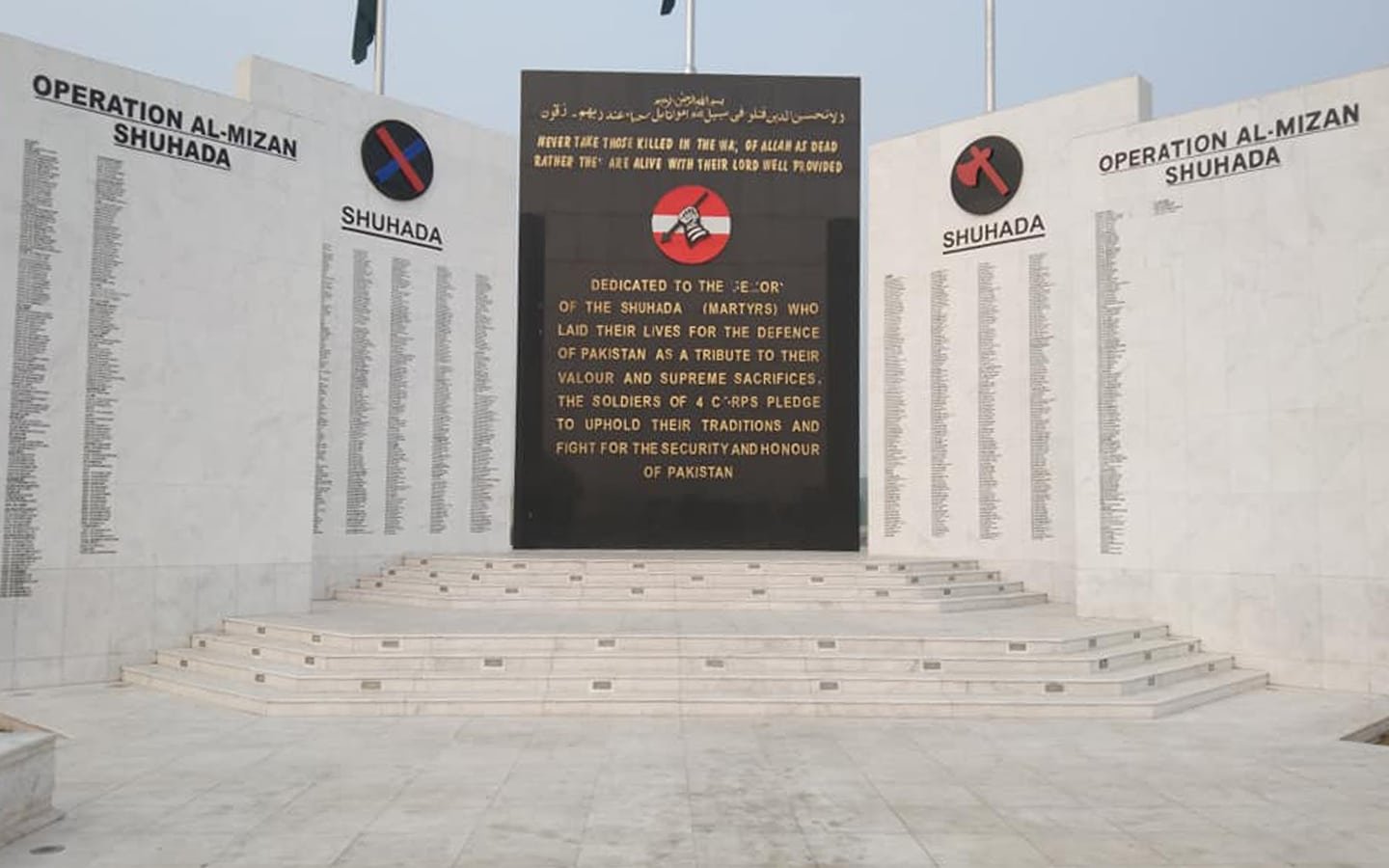
Pakistan has always commissioned memorials in order to foster a deeper sense of national identity and patriotism. The Yadgar-e-Shuhada (Martyrs’ Monument) in Lahore acts as a focal point for public remembrance. This monument commemorates the martyrs of the 1965 and 1971 Indo-Pak wars and the martyrs who sacrificed their lives during more recent operations like the Operation Zarb-e-Azb.
Source: zameen.com
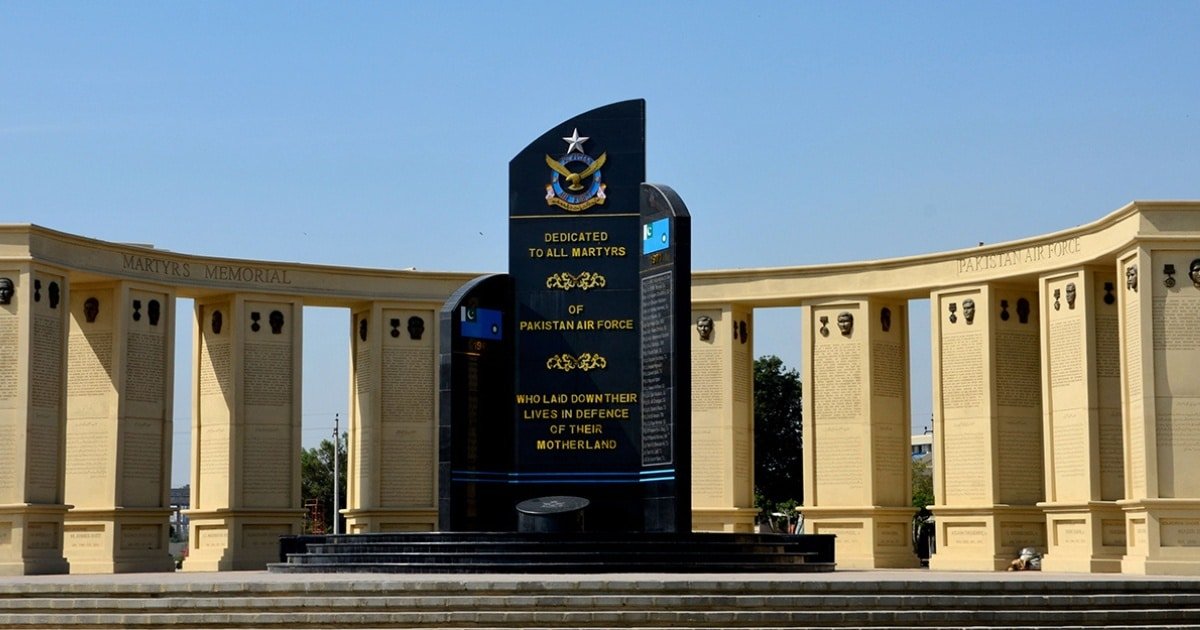
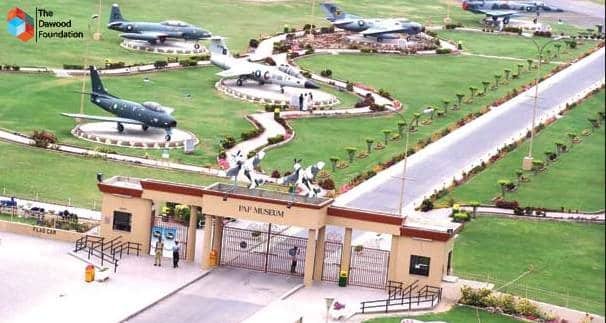
These monuments include both the old as well as the recent conflicts. The purpose of this exercise is to commemorate a continuous chain of sacrifice that connects the initial wars of the country with the ongoing struggle against militancy. The Pakistan Air Force Museum at Karachi also has a dedicated ‘Shuhada Monument’ where the names of all PAF officers martyred during the 1965 and 1971 wars have been inscribed. The purpose is to reaffirm the institutional honor of the military as well as commemorate the brave shuhada of the Air Force.
Source: Facebook
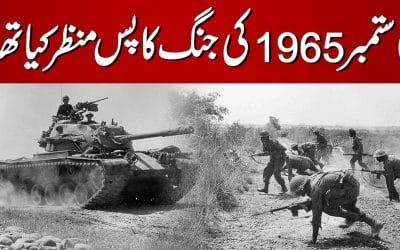
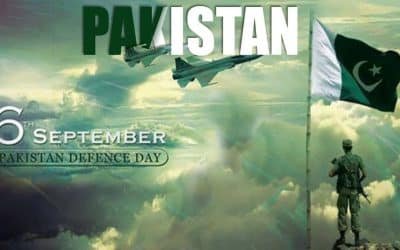
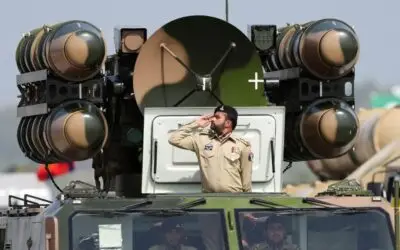
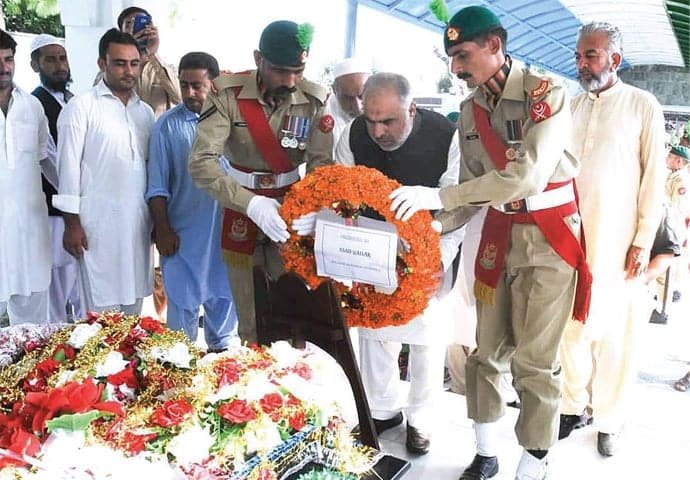
The annual observance of Defence and Martyrs’ Day on 6 September is an important part of this commemorative culture. This day celebrates the war of 1965 and remembers the heroic role of all men in khaki who laid their lives for the defense of the nation. In a report by Anadolu Agency, this day is described as a ‘symbol of unshakeable national determination, readiness, professionalism, patriotism, and sacrifice’. The ceremonies involve laying down flower wreaths and the performance of gun salutes.
Source: Dawn
These are old traditions that are maintained to refresh the memory of military service. It also works as a morale booster for those serving and to remind them of their supreme purpose of joining the military. It is the ultimate expression of patriotism that situates the armed forces in the country’s self-definition.
The Gaps in the Historical Record
While these monuments successfully commemorate service, they are also a reminder of which aspects of history are being remembered and which are being lost to time. The 1965 war is commemorated and spoken of more often than the 1971 or 1984 wars. It is imperative that Pakistan, as a nation, also recognizes and celebrates martyrs of painful conflicts like these. After all, three of the ten Nishan-e-Haider recipients are officers who were martyred in the 1971 war.
You May Like To Read: The Tragedy of Gyari Avalanche: No Soldier Left Behind
Despite going against unimaginable odds and knowing that the only way out of this war was death, these brave sons of soil stood like a steel wall against the enemy at the border as well as within. It is high time that these martyrs be given the same respect and recognition as those of 1965. Wars are often ugly and complicated, and no matter what their outcome is, those who go in knowing the fate that awaits them deserve nothing but the utmost respect and remembrance. This will help set a precedent for those serving at present and motivate them to understand the real cost of war. Shuhada of the Kargil War, although remembered, also largely share the same fate. There are no publicly identified monuments that exist for the brave martyrs of the Kargil war that are on par with those of the 1965 war. This absence of a large national memorial is also an echo of the historical nuances of a war that has been misunderstood by many. That does not change the fact that our men fought bravely and set the benchmarks of tactical supremacy and military strategy on the snowy peaks of Kashmir.
You May Like To Read: Remembring Captain Karnal Sher Khan Shaheed
Preserving Heritage
Source: ww2cemeteries
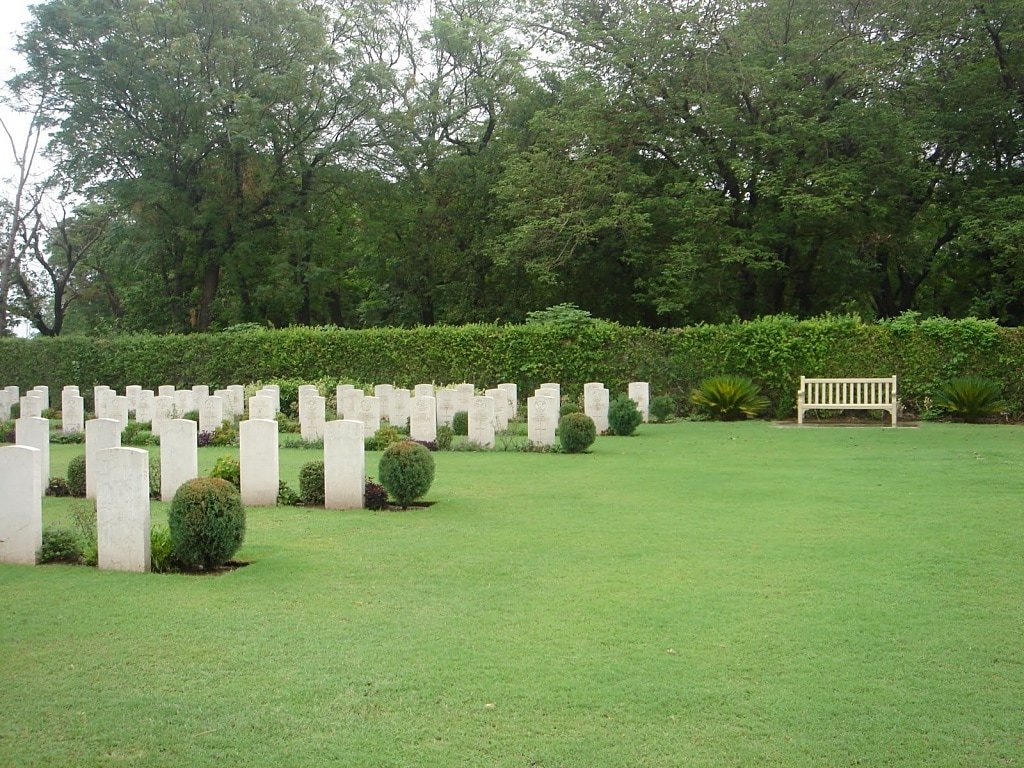
As Independence Day and Defense Day draw near, the question of these old memorials and their purpose becomes all the more potent. Nations all over the world remember their fallen soldiers through memorials and dedicated spaces. It is a worldwide tradition of respect. Pakistan has faced at least one major war every two decades, as well as minor conflicts. The list of Shuhada is never-ending. This nation owes its independence to the spilled blood of its brave sons, and therefore, their sacrifices must be ingrained in the memory of each of its citizens. Only when each Pakistani is able to comprehend the magnitude of sacrifices made daily to sustain this independence will they understand its price. These memorials, therefore, become the physical manifestations of the collective memory of a nation.