As the first week of the new year draws to a close, the international art world is looking toward the Cantor Arts Center at Stanford University with a mix of reverence and reflection. This month marks the final chapter of “Shahzia Sikander: Collective Behavior,” a landmark, career-spanning exhibition that has occupied the global cultural conversation for over a year.
The exhibition, which serves as the final and only West Coast stop of its journey, is officially scheduled to close on January 25, 2026. However, its impact, cemented by a now-infamous act of vandalism, has turned Sikander into more than just an artist; she has become a global emblem of creative defiance.
The Choice to Leave the Scar
While the gallery inside the Cantor Arts Center showcases Sikander’s three decades of pioneering “neo-miniature” work, the most powerful statement of 2026 exists in the public sphere. The 18-foot golden sculpture, Witness, which features a levitating female figure with ram-horn braids and root-like appendages, remains on display in its damaged, beheaded state.
The sculpture was vandalized in Houston during the summer of 2024. In a move that sent shockwaves through the art community, Sikander famously requested that the university leave the work unrepaired. As we enter the final weeks of her Stanford tenure, that decision has paid off: the headless statue has become a “living” monument to the fractures in modern society, a testament to hatred that has been reclaimed as a symbol of power.

Source: publicartuhs
The “Collective Behavior” Legacy
Inside the museum, the exhibition traces Sikander’s journey from her early days at the National College of Arts (NCA) in Lahore to her current status as a MacArthur “Genius.”
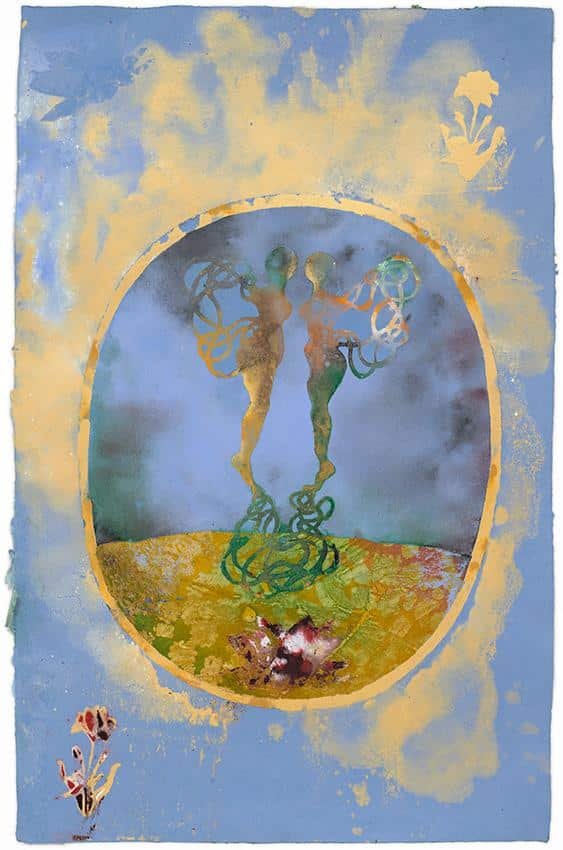
The show highlights how she single-handedly revived the Indo-Persian miniature form by infusing it with contemporary feminist and colonial critiques. It features her groundbreaking digital animations, such as Reckoning, where the movement of the figures mimics the fluidity of the very diaspora she represents.
On January 8, 2026, the museum will host a final Curator Talk, where Aleesa Pitchamarn Alexander will discuss the reception of the work. For the Pakistani-American community, having a Lahore-born woman headline one of the world’s most prestigious academic art centers during a time of such political division is a source of immense pride.
Source: Stanford University
Ending an Era in California
As the countdown to January 25 begins, “Collective Behavior” is being described by critics as an “essential pilgrimage” for 2026. It marks the moment when Pakistani art moved from being a regional curiosity to a central force in the global fight for freedom of expression. When the crates are finally packed later this month, they will leave behind a legacy of an artist who refused to let a violent act silence a universal message of feminine authority.