

As of Monday, February 23, 2026, the “10-day countdown” issued by President Donald Trump is entering a critical phase. Following a high-profile interview by US Envoy Steve Witkoff, it has become clear that the White House is growing increasingly perplexed by Iran’s refusal to “capitulate” despite a historic naval build-up.
The “Witkoff” Interview: Pahlavi & Pressure
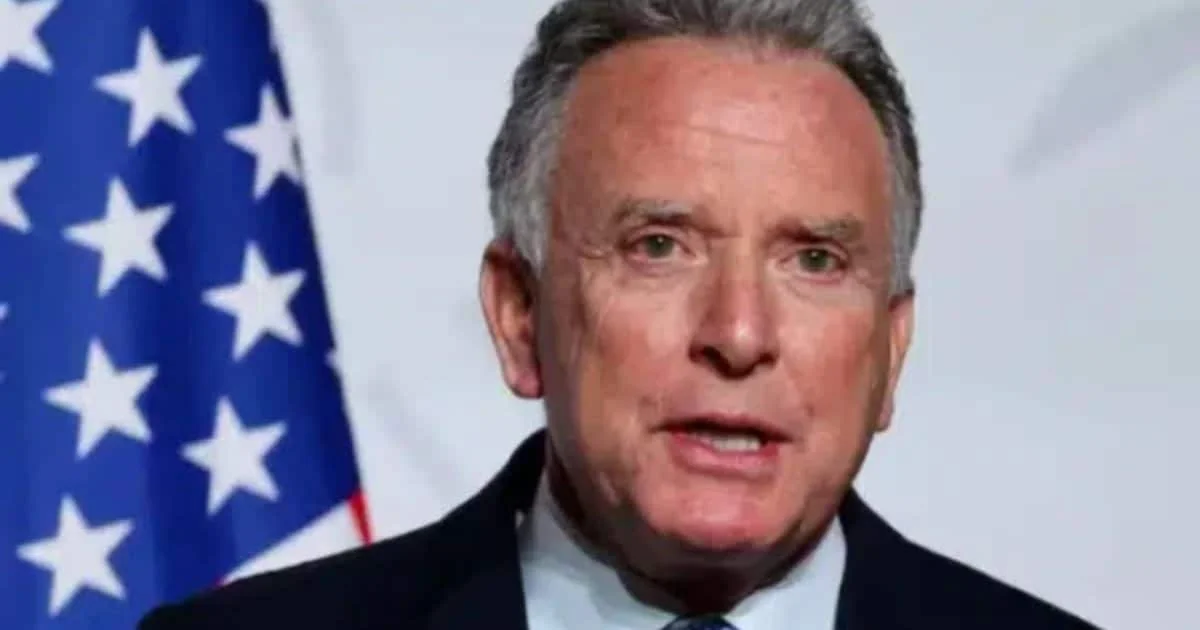
In a conversation with Lara Trump on Fox News, Steve Witkoff revealed two significant developments that have shifted the diplomatic landscape:
- The “Curiosity” Factor: Witkoff stated that Trump is “curious” as to why Tehran hasn’t folded under the weight of two aircraft carrier strike groups (USS Gerald R. Ford and USS Abraham Lincoln) and a fleet of B-2 stealth bombers.
- The Pahlavi Connection: Witkoff confirmed he met with Reza Pahlavi, the son of the late Shah of Iran, “at the direction of the president.” This move signals that Washington is actively vetting a “regime change” alternative should the Geneva talks fail.
- The Munich Vision: Pahlavi recently told audiences in Germany that he is ready to lead a “secular democratic future” for Iran, aligning with Trump’s recent rhetoric that regime change might be the “best path.”
The Geneva Draft: 48 Hours to De-escalate
Despite the military posturing, a thin thread of diplomacy remains. Iranian Foreign Minister Abbas Araghchi and U.S. envoys are engaged in Oman-mediated talks:
- The Deadline: Trump has given Iran until early March (approx. 15 days from his Feb 19 address) to finalize a deal.
- The Thursday Session: Araghchi told CBS that a “good text” for a fast deal could be ready by Thursday, February 26.
- The “Axios” Report: A senior U.S. official suggests that if Iran submits its formal proposal within the next 48 hours (by Wednesday morning), Washington will commit to detailed, round-the-clock negotiations to avert strikes.
President Trump’s attack plans for Iran have roiled a deal for the United Kingdom to cede control of the tiny and isolated island of Diego Garcia, where a strategic American air base sits in the middle of the vast Indian Ocean. https://t.co/4VRJYIxVw7
— WGNO-TV (ABC) New Orleans (@WGNOtv) February 23, 2026
Stakes of the Conflict
| Tehran’s Position | Washington’s Demand |
| “Right to Enrich”: Insists on civilian nuclear power and an end to crippling sanctions. | “Zero Enrichment”: Trump demands total abandonment of enrichment and dismantling of the missile program. |
| Threat of Retaliation: Araghchi warned that any strike would lead to attacks on U.S. interests across the Middle East. | “Maximum Pressure”: Use of military superiority to force a deal similar to the “Abraham Accords” model. |
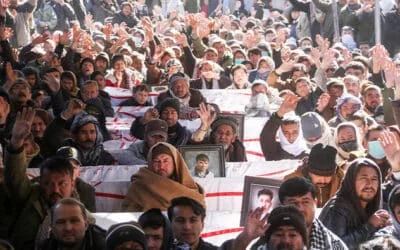
| Internal Unrest: Competing student protests in Iran reflect a nation divided between defiance and economic desperation. | Regime Shadow: Use of Reza Pahlavi as a “looming alternative” to pressure the clerical leadership. |
Impact on the Region
The standoff is already being felt globally:
- The PSX (Pakistan): Recovered 999 points today but remains on edge ahead of the March 2 “deadline.”
- Oil Prices: Volatility continues as traders weigh the risk of a disruption in the Strait of Hormuz.
- Supreme Leader’s Stance: Ayatollah Khamenei remains defiant, stating that Trump “would not succeed in destroying the Islamic Republic.”
What Happens Next?
- Wednesday, Feb 25: The “48-hour” informal deadline for Iran to submit its proposal.
- Thursday, Feb 26: Possible resumption of high-level talks in Geneva.
- March 2: The final expiration of Trump’s 10-day “Board of Peace” ultimatum.
You May Like To Read: