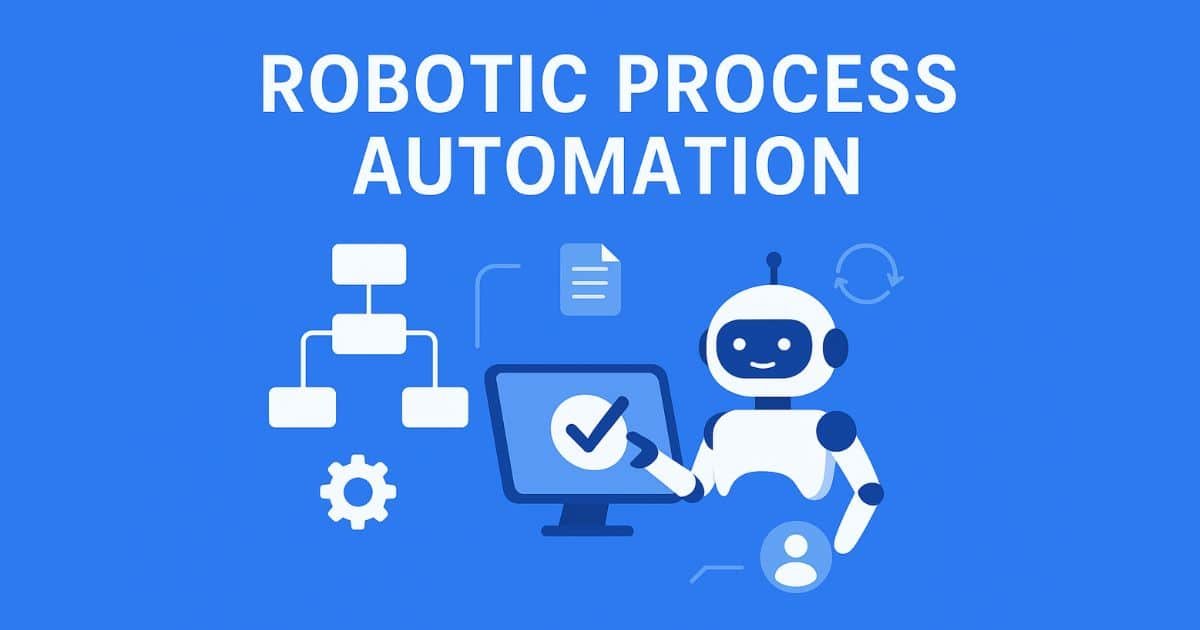





The world is moving faster than ever. A few years ago, many jobs were done only by hand. Today, machines and software are performing the same tasks more efficiently, faster, and with greater accuracy. This change has brought us a new tool called Robotic Process Automation (RPA).
At first, the term may sound technical, but it is actually very simple. RPA is like a digital employee. Imagine a worker who never sleeps, never takes breaks, and never complains. This worker can repeat the same task every day without making mistakes—and often does so many times faster than a human. That is what RPA does for businesses and organizations worldwide.
What Is RPA in Simple Words?
Think of the office tasks you see every day. Workers sit in front of computers, entering numbers into Excel, opening emails, forwarding information, and creating daily reports. These tasks are important, but they are also boring and tiring. RPA takes over such jobs by following a set of instructions written for computers.
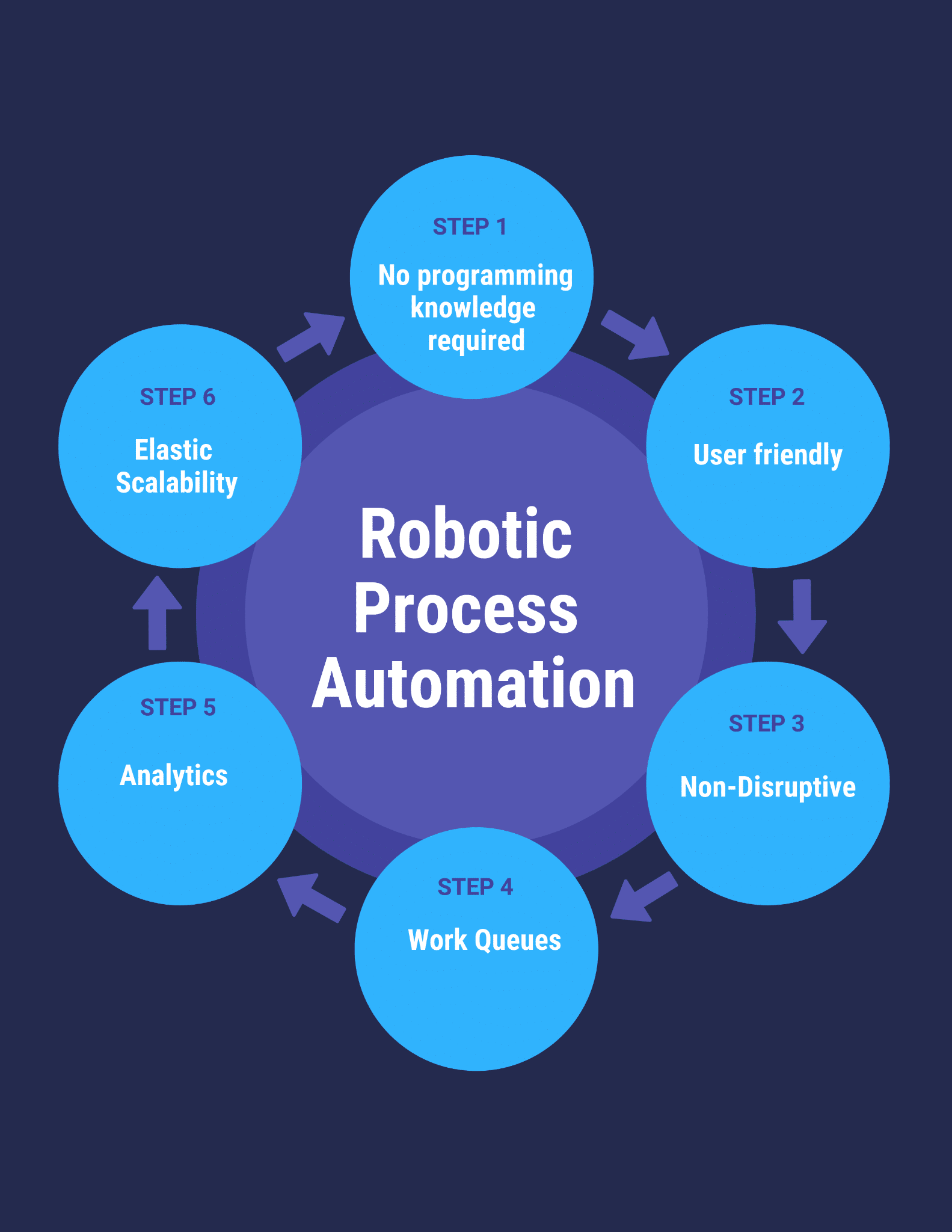
Source: PAT Research
For example, if you give RPA a rule like, “Check emails, copy attachments, and save them in a folder,” the software can do it on its own. It behaves like a human sitting at a computer, but with more speed and accuracy.
It is like when people once traveled in horse carriages, and then cars replaced them. Just as cars gave us speed in travel, RPA is giving us speed and accuracy in work.
How RPA Works Behind the Scenes?
Even if you don’t see it, RPA is already touching your life. When you pay a bill through your bank’s mobile app, RPA bots work in the background. They verify your payment, update the bank’s records, and send you a receipt.
When you order something from an online store, RPA checks the stock, processes the payment, creates the invoice, and even sends instructions to the delivery company.
Hospitals also use RPA. When a patient books an appointment, bots confirm the schedule, verify insurance, and prepare records, all in minutes.
So, without realizing it, we benefit from RPA in various fields, including banking, shopping, and healthcare.
Source: PAT Research
RPA for Large Organizations
Big companies rely on RPA to handle thousands of small but important tasks. Banks use it to process loan applications or respond to customer requests. Airlines use it to manage ticket bookings and cancellations. Telecom companies use it to handle customer complaints and update records.
These organizations deal with millions of transactions daily. If humans had to do everything, it would take forever. RPA makes it possible to complete tasks on a massive scale, while humans focus on planning, customer care, and creative solutions.
You May Like To Read: Al-Jazeera Weekly Wrap Up: 24th to 30th August 2025
RPA for Small Businesses
RPA is not just for big companies. Small businesses can use it too. A shop owner can utilize RPA to track stock, generate daily sales reports, or automatically send invoices to customers.
For example, an online clothing store can set up RPA to send “thank you” emails after every purchase. A small accounting firm can use bots to prepare monthly summaries for clients. These small uses save time, reduce costs, and let owners focus on growing their businesses.
Does RPA Take Away Jobs?
One major concern is whether RPA will replace human workers. Some fear that machines will take over all jobs, leaving people unemployed. But this is not true. RPA does not replace human creativity or decision-making. It only handles repetitive, rule-based tasks that people often find boring.
Think of the washing machine. Before it was invented, people spent hours washing clothes by hand. The washing machine did not “steal jobs.” Instead, it gave people more time for other tasks. RPA is the same; it frees humans from boring work so they can focus on more valuable, creative, and strategic tasks.
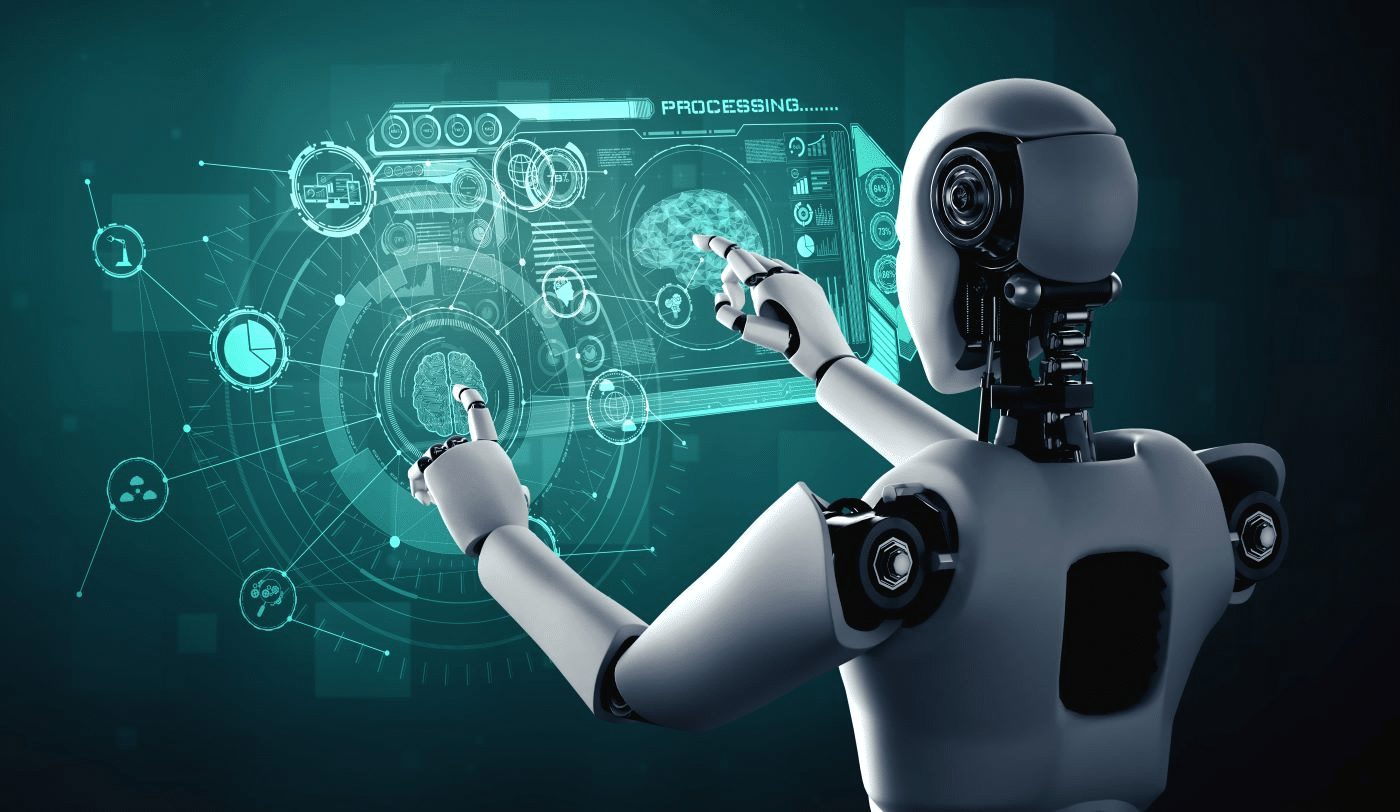
Source: Xcelacore
RPA and the Future of Work
The future of RPA is exciting. Right now, RPA handles simple repetitive jobs. But when combined with Artificial Intelligence (AI), it will get smarter. AI-powered RPA will not only follow instructions but also learn from data and make decisions.
For example, instead of just checking if a bill is paid, future bots may predict if a customer is likely to pay late. Instead of just booking an appointment, bots may suggest the best time based on traffic and patient history.
Just as it is hard to imagine life without the internet today, in the near future, organizations may find it impossible to run smoothly without RPA.
Why Should You Care About RPA?
If you are an office worker, you should know that soon you may work alongside digital assistants. They will take care of the repetitive work, leaving you with more time to learn, grow, and innovate.
If you run a business, RPA can cut costs, reduce errors, and improve customer service. It makes your business more efficient and competitive.
If you are a student, learning about RPA can be a smart move. Companies worldwide are looking for people who can design and manage RPA systems. It is a skill that will be in high demand.
The Silent Partner in Our Lives
RPA is not loud or flashy. It works quietly in the background. It processes payments, sends reminders, verifies records, and updates data without you even noticing. It is a silent partner that helps society function faster and smoothly.
The coming era will belong to those who understand and adapt to this change. People who embrace RPA will save time, boost productivity, and stay ahead. Those who resist may struggle to keep up with the pace of modern work.
Embracing the Digital Future
Robotic Process Automation is not a job-eating monster. It is a tool that removes boring, repetitive tasks so humans can focus on creativity, innovation, and problem-solving.
In the same way cars replaced horse-drawn carts and computers replaced typewriters, RPA is the next big step. It is changing how offices, businesses, and even hospitals function.
The future is not about humans versus machines—it is about humans and machines working together. RPA is a silent revolution, reshaping industries and creating new opportunities.
Those who understand this change will not fear it. Instead, they will use it to move forward. The real question is: will we adapt fast enough?
You May Like To Read: Media Warfare: How India Uses Media Against Pakistan