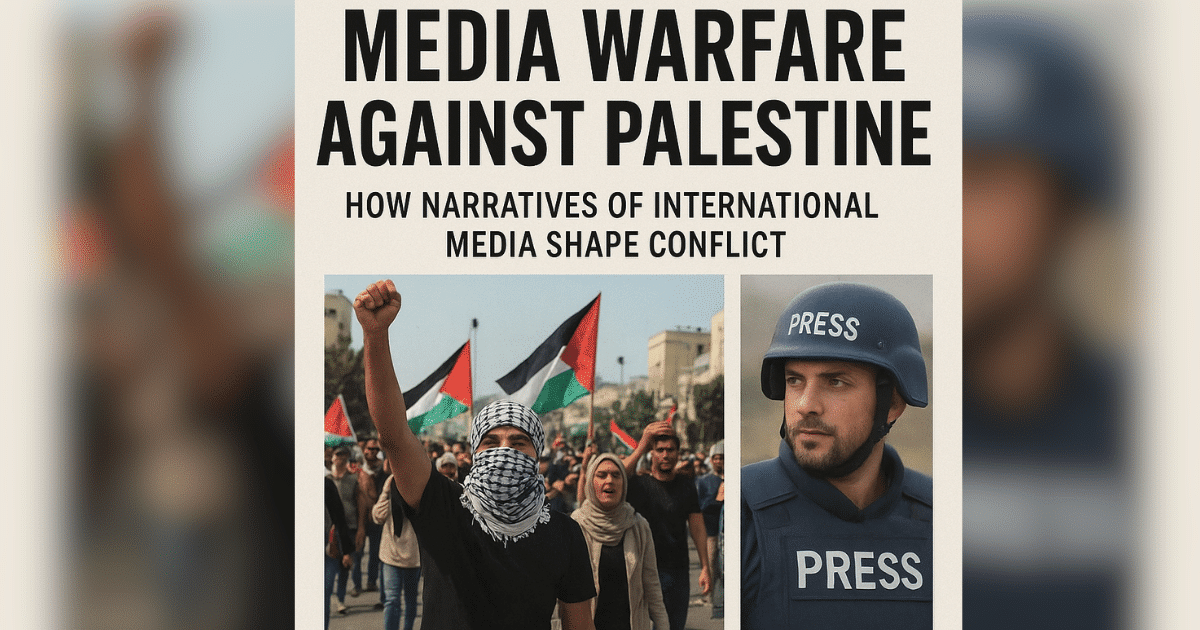


In modern wars, battles are not only fought on the ground. They are also fought in newsrooms, on TV screens, and across social media platforms. The media has become a powerful weapon, one that can shape public opinion, influence policy, and even justify violence. In the case of Palestine, the international media plays a major role in how the conflict is seen around the world. The way stories are told often decides who is seen as the victim and who is blamed as the aggressor.
Controlling Narratives in War
Control over information is central to modern warfare. Israel has invested heavily in shaping narratives at home and abroad. Press conferences, official briefings, and coordinated campaigns ensure that its perspective dominates coverage in Western outlets such as CNN, BBC, and The New York Times.
Meanwhile, Palestinian voices struggle to be heard. Reports from Gaza and the West Bank often come from journalists working under difficult and dangerous conditions. Many of them face smear campaigns, restricted access, or even physical threats. Instead of being seen as neutral reporters, they are often framed as biased or tied to political groups.
This imbalance of voices creates an uneven playing field. When only one side’s story is amplified, global opinion shifts in its favor.
You May Like To Read: Regulating the Infoscape: PECA, PTA, and Legal Responses to Information Warfare (IW16)
The “Legitimisation Cell” Silencing Palestinian Journalists
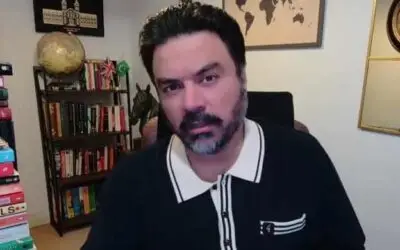
In 2025, The Guardian revealed that the Israeli military had created a secret unit called the “legitimisation cell.” Its task was not to report facts but to smear Gaza-based journalists by linking them falsely to Hamas.
This strategy made it easier to discredit Palestinian reporting. By painting journalists as militants, Israel could justify attacks against them and weaken their credibility in the international media.

Image Credit: INKL
Such tactics highlight how media warfare is not only about headlines, but also about erasing or delegitimizing voices that challenge the dominant narrative.
Misinformation and Social Media Manipulation
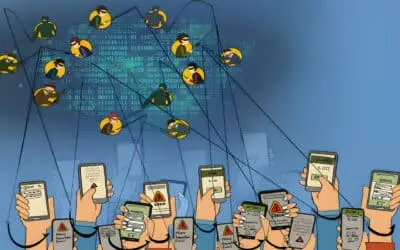
Social media has become another battlefield. False claims, edited videos, and AI-generated content circulate widely on platforms such as X (formerly Twitter), TikTok, and Instagram.
For example, fact-checkers have uncovered recycled videos of protests and riots from other countries being shared as if they were current events in Gaza. These posts often go viral before corrections are issued. Once misinformation spreads, it is difficult to pull it back.
🚨BREAKING: The IDF has officially confirmed that in recent days, it has begun the initial steps of fully taking over Gaza City.
If you have a moment, please offer a prayer. pic.twitter.com/wKCbD5Chyh
— Vivid.🇮🇱 (@VividProwess) August 20, 2025
Magnificent God and Savior, as Israel goes into battle for the salvation of the Jewish people, they also fight for the interests of Christians worldwide. Set your Angels among them giving them protection as they fight the evil of this world. Strengthen them Father God and give…
— Cowboy Soldier (@MadTexan1845) August 20, 2025
This digital manipulation is not random. Coordinated networks push hashtags, bots amplify state-backed messages, and emotionally charged posts are designed to distract or inflame audiences. For Palestinians, this means their real suffering is often buried under waves of misinformation.
International Media Bias
Studies show that global coverage often frames the conflict in unequal terms. Reports may emphasize Israeli security concerns while minimizing Palestinian civilian casualties. Words matter: Palestinians killed by bombings are often described as “casualties,” while Israeli victims are more frequently described as “innocent civilians.”
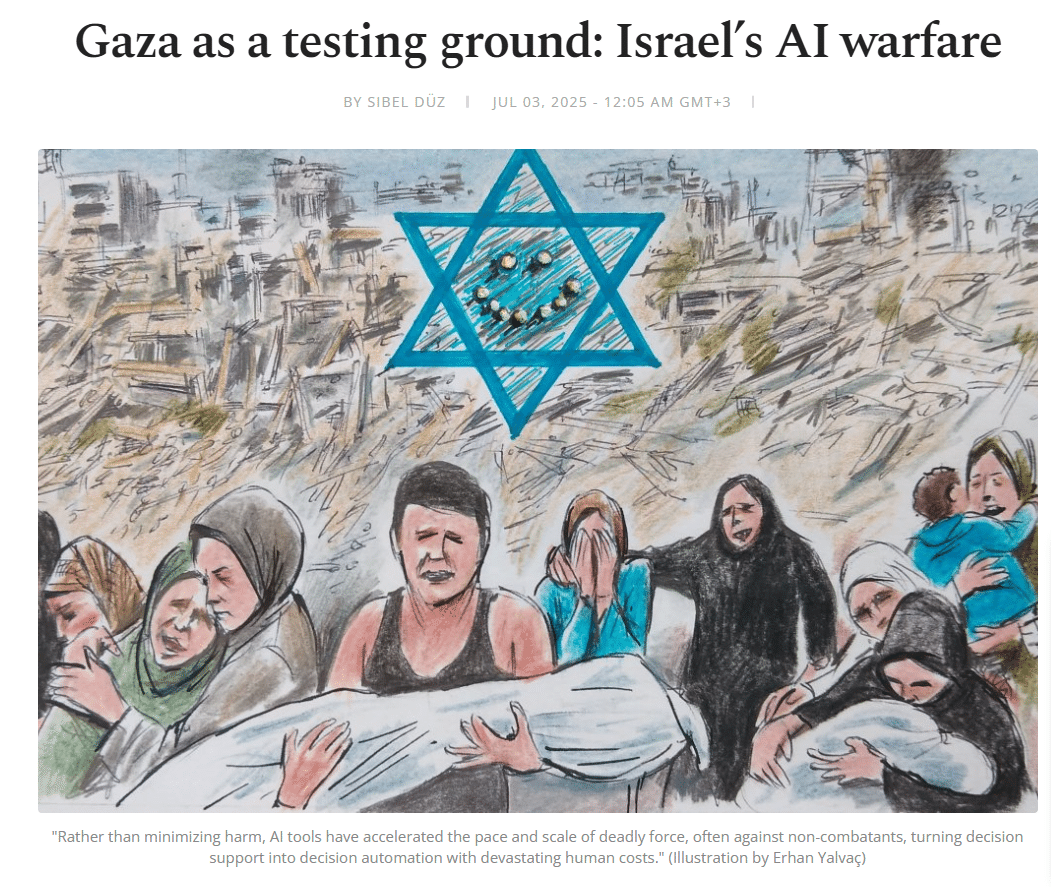
Image Credit: Daily Sabah
Another weapon in media warfare is emotion. Dramatic stories of fear and survival, when repeated often, can sway sympathy. Israeli media and its allies highlight images of damaged buildings from rockets, while often downplaying the large-scale destruction in Gaza caused by airstrikes.
The result is a narrative imbalance: one side is seen as constantly under attack, while the other is portrayed as responsible for its own suffering. This narrative, repeated across international outlets, shapes foreign policy debates and public opinion in Western countries.
Censorship and Algorithmic Suppression
Social media platforms claim neutrality but often enforce rules unevenly. Reports from various sources show that Palestinian content is frequently removed or downranked on Facebook and Instagram, even when it does not violate guidelines.
Meanwhile, Israeli state-backed content and official messaging are given more visibility. This imbalance reinforces media control, ensuring that certain stories spread widely while others disappear. Palestinians lose digital space to tell their side of the story.

Image Credit: Al Jazeera
The Cost of Media Warfare
This battle over narratives has real-world consequences. False or biased reporting can delay humanitarian aid, justify military action, or undermine calls for accountability. When Palestinian journalists are discredited or silenced, the world loses access to first-hand accounts of life under occupation and bombardment.
Media warfare shapes laws, policies, and public perception. In the long term, it changes how history itself will be remembered.
How Citizens Can Resist Media Manipulation?
The first step is awareness. Media consumers worldwide must recognize that information is part of the conflict. Questioning headlines, checking sources, and seeking diverse perspectives are vital defenses against manipulation.
Fact-checking organizations such as Bellingcat and local initiatives like Soch FactCheck in Pakistan provide valuable resources for verifying images, videos, and claims. Ordinary users can also help by pausing before sharing viral posts, asking simple questions: Is this recent? Is this from a credible source? Is it edited?
The Role of Ethical Journalism
True journalism remains one of the strongest tools against disinformation. Independent journalists, especially those working in Gaza and the West Bank, provide vital context often missing from international coverage. Their work, however, requires global protection and recognition.
Media organizations must also hold themselves accountable. Balanced reporting, transparency about sources, and prompt corrections can rebuild public trust. Instead of echoing government narratives, global media must commit to fair, fact-based storytelling.
You May Like To Read: Al Jazeera News Wrap Up: 10th to 16th August, 2025
Defending Truth in Conflict
Media warfare is not a side issue in the Palestinian struggle; it is central to it. Narratives created by international media, shaped by state influence, algorithms, and propaganda, affect how the world understands this conflict.
For Palestinians, the fight is not only for land and rights. It is also for their voice, their story, and their truth.
Defending truth requires collective effort:
- Journalists must stay committed to facts, even under pressure.
- Citizens must sharpen their critical thinking and resist manipulation.
- Platforms must treat voices fairly, without political bias.
If lies dominate, peace and justice drift further away. But if truth holds, then the world can see Palestine not through distorted lenses but through the reality on the ground.
In the digital age, every story shared matters. The war of words is as powerful as the war of weapons, and in the fight for Palestine, truth itself is under siege.