




DERA GHAZI KHAN: An intensifying conflict between local communities and an endangered wolf population in the Sulaiman Range is raising fresh concerns about the survival of the species, as repeated livestock losses and weak wildlife monitoring fuel retaliatory actions by villagers.
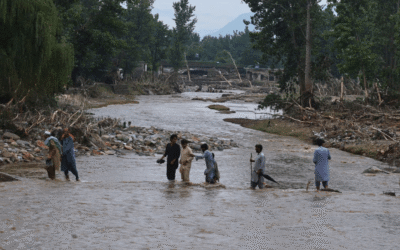
Residents in the western areas of Choti Zaireen, including Nanger, Bhorgrra and Pharah, report a series of recent wolf attacks on livestock. According to local accounts, at least five cows and several smaller animals such as sheep and goats have been killed in recent weeks. The attacks have heightened tensions in an area where pastoral livelihoods depend heavily on livestock.
Villagers say the absence of sustained patrols and preventive measures by wildlife authorities has left them with few options. Some residents admit to poisoning animal carcasses to kill wolves that return to feed, a practice that conservationists warn could push the already fragile population closer to extinction.
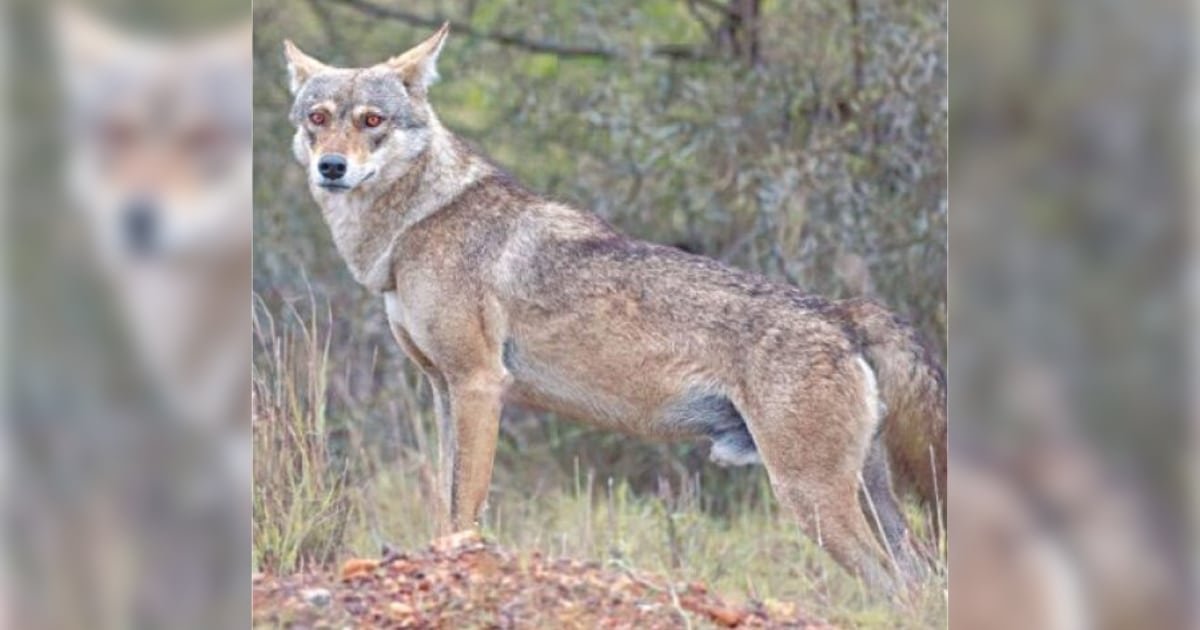
The wolves in question belong to the Indian wolf lineage, which is considered highly endangered. Studies suggest that Pakistan’s overall wolf population is extremely small. One estimate places the national population at around 200 individuals, while a 2019 study estimated that only about 15 wolves remained across the entire Sulaiman Range. Wildlife experts believe these animals exist in small, fragmented groups, making them particularly vulnerable to human pressure.
Conservationists attribute the rise in livestock attacks to a sharp decline in the wolves’ natural prey, including markhor, ibex and urial. As these species have become scarce due to habitat degradation and hunting, wolves are increasingly moving closer to human settlements in search of food.
The conflict stems from repeated wolf attacks on livestock.https://t.co/sWzGf50heM
— Dawn.com (@dawn_com) December 24, 2025
Following complaints from residents, a joint team from the World Wide Fund for Nature (WWF) and the Punjab Wildlife Department visited the affected areas to assess the situation. WWF activist Attaullah Birmani said evidence of livestock killings was documented during the visit. According to preliminary observations, the wolf pack initially consisted of five members, including two cubs, though recent tracking suggests only three individuals — one adult and two juveniles — remain in the area.
You May Also Like: All Eyes on PIA as Government Proceeds with Privatisation Bidding
Deputy Director of Wildlife Sakhi Joya said authorities were present on the ground and working to address villagers’ concerns, though no long-term solution has yet been announced.
Environmental experts note that human–wolf conflict in the region was first documented in 2016 and has since expanded to several hotspots, particularly in Choti Bala and surrounding areas. Zoologist Umer Waqas said the absence of effective mitigation strategies has led to repeated retaliatory killings.
Conservationists are calling for compensation mechanisms to offset verified livestock losses and for efforts to restore natural prey populations. They argue that without such measures, both local livelihoods and the remaining wolf population face an uncertain future.
Check out our latest video: