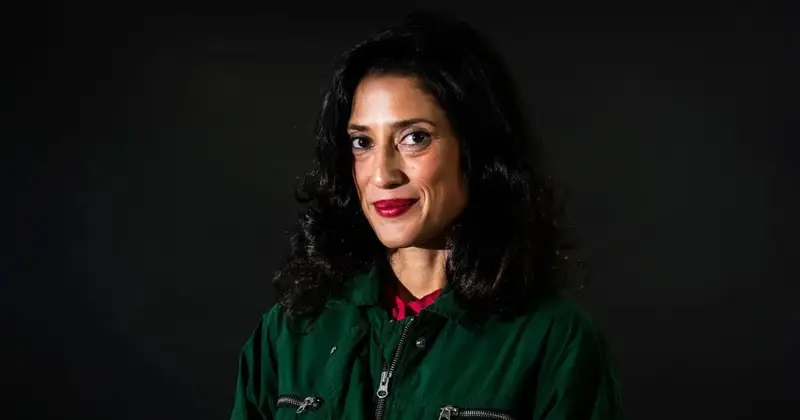





Karachi — Fifteen years after her explosive family memoir Songs of Blood and Sword challenged Pakistan’s most storied political dynasty, writer and activist Fatima Bhutto returns with a raw, personal account of survival in her forthcoming book The Hour of the Wolf, detailing an 11-year coercive and abusive relationship she once mistook for love.
In a candid interview with The Guardian, Bhutto — niece of former Prime Minister Benazir Bhutto and daughter of Murtaza Bhutto — admitted she hesitated to write the memoir, grappling with shame and embarrassment. Yet she felt compelled to share her story, knowing it could help others trapped in similar silence.
“Author and journalist Fatima Bhutto reflects on how caring for her pet dog shed light on her own relationships in this tender and insightful memoir of a doomed love affair.” https://t.co/iwu73UHnig
— Asian Review of Books (@BookReviewsAsia) January 27, 2026
Key Highlights
- Bhutto met her former partner, referred to only as “The Man,” in New York in 2011 while promoting her first book; their long-distance relationship lasted until 2021.
- She describes a pattern of charm alternating with cruelty: verbal abuse, public humiliation, isolation from friends, and prolonged silent treatment — behaviors that escalated over time.
- One incident involved him biting her finger hard enough to cause nerve damage; she notes the absence of overt physical violence delayed her recognition of the abuse.
- The relationship ended when Bhutto realized he would never commit to family life, despite her fertility preservation efforts; she later married Graham in 2022 and welcomed two sons.
- Bhutto says writing the book “fell out” of her after deciding to tell the truth — a cathartic act that helped her reclaim her story from someone intent on breaking her.
- The memoir contrasts her childhood shaped by political trauma (exile in Syria, father’s 1996 killing at age 14) with her current life as a mother and advocate, including recent work on Gaza.
From Political Shadows to Personal Survival
For Fatima Bhutto, the book marks a shift from dissecting her family’s turbulent legacy to confronting intimate wounds. In Songs of Blood and Sword (2010), she held her aunt Benazir partly accountable for her father’s death — a bold move that drew both praise and backlash. Now, at 43, she turns inward, exploring how secrecy — a thread from her childhood of sudden moves and hidden lives — echoed in her adult relationship.
She writes that the partner insisted on keeping things hidden, discouraging introductions to family or friends, and preventing any shared life in one city. “The only way to survive 11 years of that is to think of it as a love story,” she reflected, adding that she believed the hardship was “toughening” her for future success.
Bhutto emphasizes that abuse doesn’t always leave visible bruises. For years she didn’t see herself as a victim because it “hadn’t been physical,” even as isolation and contempt eroded her world. The turning point came with clarity: he would never build the family she wanted.
You May Like To Read: The Patriarch in the Tote Bag: Mehmood Aslam and the Satire of the “Performative Male”
What’s Next for Fatima Bhutto’s Voice
Now settled with her husband and two young sons, Bhutto says the experience left her damaged but not destroyed — the harm her ex intended was total, yet she emerged stronger. The memoir arrives amid her continued activism, including editing Gaza: The Story of a Genocide last year and amplifying Palestinian stories while navigating motherhood.
Her journey from political exile and family tragedy to personal renewal offers a quiet testament to resilience. By speaking openly, Bhutto hopes to light a path for others who feel alone in the dark — proving that truth, however painful, can be the first step toward healing.
Check out our latest video: