




The government pulled back a controversial telecom infrastructure bill on Friday. The bill would have given telecom licensees sweeping powers to install infrastructure on private and public land. Officials said another version of the legislation is on the way. The initial bill aimed to amend the 1996 Telecommunications Act.
Main Highlights
- Govt withdraws Pakistan Telecommunication (Re-organization) (Amendment) Bill, 2026
- Property rights concerns and “draconian” access clauses had previously drawn criticism of the Bill
- PM Shehbaz constitutes review committee headed by Law Minister Azam Nazeer Tarar
- New draft will require permission to enter private property
- Fiber internet connections increase from two million to more than five million in two years
A Bill That Got Tangled Up in the Senate
The IT Minister, Shaza Fatima Khawaja, introduced the bill. The National Assembly approved it by majority vote on June 11, a day before the presentation of the federal budget 2026-27. It was then sent to the Senate, where lawmakers took exception to several of its provisions.
The Minister of State for Interior, Tallal Chaudhry, moved the motion to withdraw the bill on behalf of Khawaja on Friday. The motion passed the Senate. Either way, time was running out. The bill’s 90-day window for passage was nearly up.
The government is moving to withdraw a telecom bill meant to tackle Right of Way hurdles, a key issue affecting the rollout of fiber and mobile infrastructure across Pakistan. 🧵 pic.twitter.com/BZzVuPNXyn
— ProPakistani (@ProPakistaniPK) August 28, 2026
The Ministry of Information Technology explained the timing in a statement. After the prescribed period expired, the Bill would be sent to a joint sitting of Parliament. That joint sitting may not have come anytime soon. To avoid further delay, the ministry decided to table a fresh bill that retains the core intent of the original legislation and moves through the process more smoothly.
What the Original Bill Actually Said
The bill was said to be designed to enable a quick, coordinated rollout of telecoms infrastructure. Last month, Khawaja said Pakistan’s current legal framework is not enough for the needs of modern technology, especially the rollout of 5G.
Under the repealed bill, public authorities could not charge any fees, rents or charges of any kind for access to infrastructure. Failure of a public authority to respond to a licensee’s request within 30 days, despite a reminder, would result in automatic approval. For private land, licensees were to approach owners and tenants for access by registered mail. If no reply was received within 30 days, the matter was to be referred to the “appropriate government” for determination.
The same 30-day rule applied to housing societies, cooperative schemes and commercial estates. At the end of that period, access would be considered approved, but owners could still impose conditions on timing and how the work was done. Any dispute had to be resolved within 45 days by an officer not below secretary level. The bill defined “private access” broadly, including individual ownership and collective ownership through housing societies, the Defense Housing Authority, and cantonments. It also proposed a fine of up to Rs50 million for any owner, tenant or entity blocking access.
Backlash on Property Rights
Immediate and sharp criticism was leveled against these clauses. Critics called the provisions draconian. Many said they violated Article 23 of the Constitution, which protects the right to property. The Islamabad Bar Association and some digital rights groups have warned that the law could be used to allow forced entry into private premises.
The pushback was not only from civil society. There were concerns from members on both sides of the house, opposition and treasury benches. In the Senate, the PPP flatly refused to support the bill.
The criticism finally reached the top. Prime Minister Shehbaz Sharif took notice of the brewing controversy and constituted a committee headed by Law Minister Azam Nazeer Tarar to review the legislation. Khawaja later clarified that the bill would not allow anyone to occupy private land with impunity.
What Changes in the Draft
Officials say the new version of the bill will retain right-of-way provisions for public infrastructure projects. But for private property, prior consent will now be required, instead of being assumed after a set waiting period.
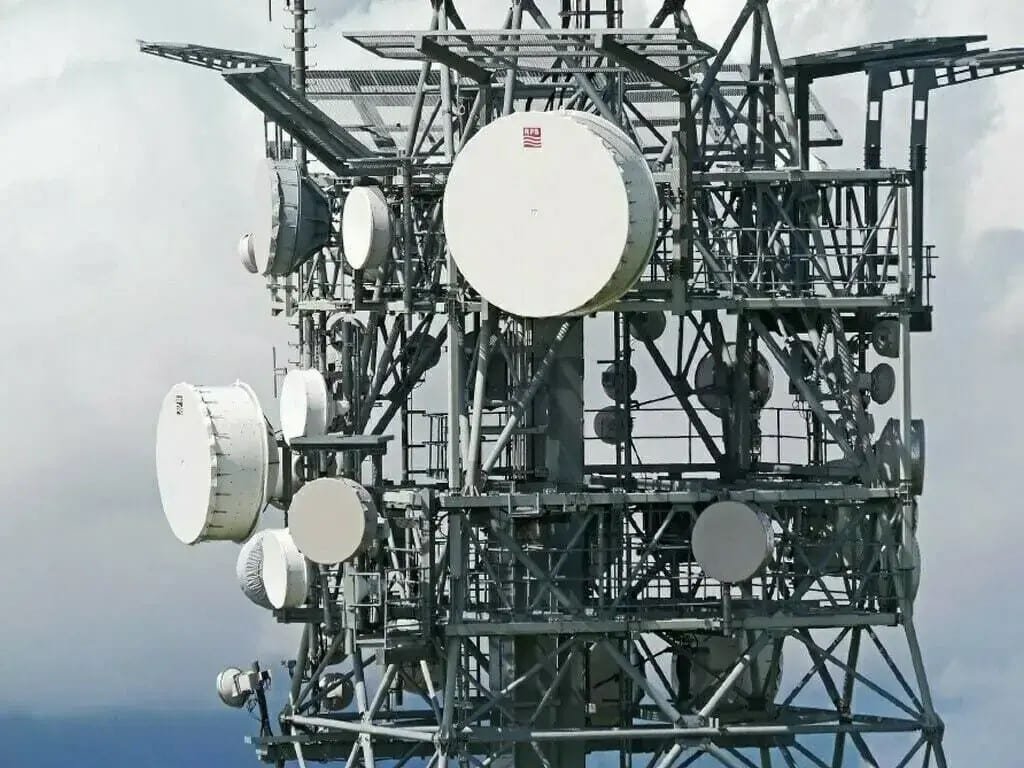
The larger goal, officials said, is to break down bottlenecks that have slowed fiber and 5G deployments across the country. They said the scale of infrastructure required to modernize telecom nationwide includes fiber-optic networks, telecom towers and underground and overground installations.
The numbers explain why it’s so urgent. In the past two years, the number of fiber-based internet connections has grown from two million to more than five million, due to a combination of policy changes and technical improvements. Now the government has set a target to double that again over the next three years. Telecom operators have been lobbying hard for legislation like this, saying months-long delays in securing no-objection certificates from cantonments, housing societies and provincial authorities have slowed down the very infrastructure expansion the country is trying to accelerate.